(un)realities is an educational curatorial project that understands the museum as a space for the collective production of knowledge and experience. Through the use of methodologies like active visual ethnography and embodied mediation, it offers a participatory model in which art acts as a tool to explore identity, memory and territory, generating processes of reflection, shared creation, and social transformation.
The (un)realities project emerged in 2025 as an educational curatorial project with two related exhibitions and a broad educational programme, inviting reflection on identity, memory and territory, with the works of Leónidas Gambartes providing the seed.
It all begins with the first exhibition, “Memories of the Land. Leónidas Gambartes”, which serves as a starting point to activate a series of participatory experiences with visitors. Based on the themes that are ever-present in Gambartes’ work – territory, memory, ritual and identity – the educational programme unfolds, inviting people to reflect on their own experiences and to construct shared narratives through artistic practice.
Far from placing the visitor in a passive role, the project offers a shift toward active participation. Through pedagogical devices in the gallery and a programme of activities, spaces are created where individual experiences are shared and transformed into collective knowledge. In this process, the museum becomes a space for listening, care, and cultural mediation.
The project culminates in a second exhibition, “Inhabiting roots. Sensory practices in territory”, envisaged through processes of co-creation and community curatorship. This exhibition does not present definitive results, but rather reactivates lived processes, consolidating a collective visual narrative that reflects, in a partial and subjective way, the identities of the community surrounding the museum.
La implicación de los públicos no se limita a la experiencia de visita o a las actividades paralelas, sino que tiene una incidencia inmediata en el desarrollo de la exposición. Los testimonios, memorias y aportaciones recogidas se integran en tiempo real, configurando una exposición que se modifica y se enriquece a partir de las voces que la atraviesan.

(i)realidades propone una nueva forma de entender y relacionarse con el arte y la institución museística. El patrimonio deja de ser un conjunto estable de objetos para configurarse como un campo dinámico de significados en constante construcción. El museo, por su parte, se redefine como un espacio de mediación cultural, producción colectiva de sentido y construcción de comunidad.
A lo largo de su desarrollo, el proyecto ha generado un impacto tangible que se refleja en participación sostenida, la creación de vínculos de pertenencia, la implicación activa de los públicos y la transformación en la relación entre las personas y el museo.
(i)realidades no es, por tanto, un proyecto cerrado, sino un proceso en continua transformación. Un espacio donde el arte se activa como herramienta para pensar, sentir y construir en común; donde el conocimiento se produce colectivamente; y donde el museo se abre, se deja afectar y se redefine en relación con las comunidades que lo habitan.
En su base y en su desarrollo, el proyecto es también un ejercicio de co-creación y pensamiento colectivo que atraviesa todos sus niveles: desde los públicos hasta el equipo del museo y las colaboraciones externas. Un proceso compartido que evidencia las posibilidades que emergen cuando se construye en común, y que se configura, en sí mismo, como un registro vivo de esas formas de hacer.

The public’s involvement is not limited to the visitor experience or parallel activities, but has an immediate impact on how the exhibition develops. The testimonies, memories and contributions compiled are put together in real time, creating an exhibition that is changed and enriched by the voices that traverse it.
The (un)realities project arises from a shared concern about the relationship between art, the museum and its audiences: the need to generate closer encounters that can activate not just the understanding of the works, but also bonds of identification and belonging. From this starting point, the project proposes rethinking the museum as a space that is permeable to emotions, situated experiences, and forms of knowledge that have traditionally remained outside of institutional frameworks. This search, present both at the Ralli Museum Marbella and within its community, promotes new practices that foster more horizontal, participatory and meaningful relationships between the artworks, the museum, and those who inhabit it.
The project begins with the exhibition Memories of the land. Leónidas Gambartes. Here, the artist’s work is presented not only as an object of contemplation, but also as a catalyst for questions.
Gambartes, with his focus on the telluric, the symbolic and the everyday, opens up a route to explore the relationship between territory, memory and identity. His understanding of creation, traversed by the ancestral, the invisible and the ritual, becomes a conceptual framework that activates the project’s entire education programme.
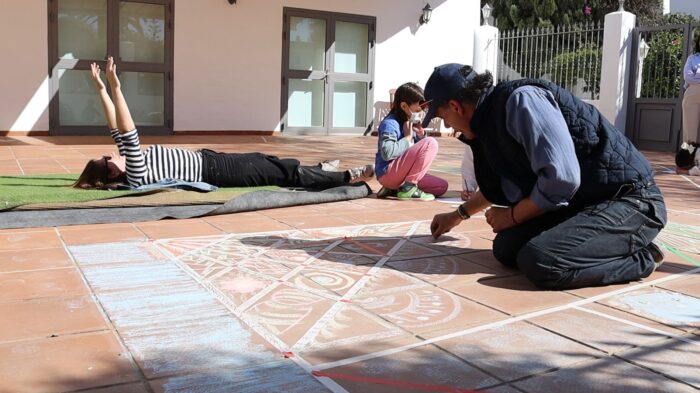
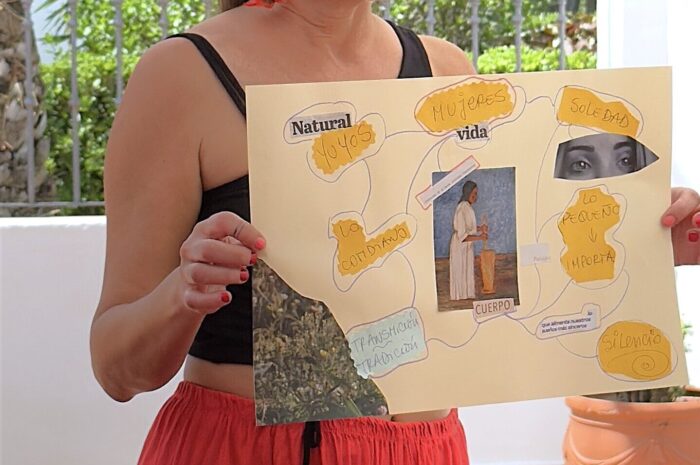
Based on this framework, (un)realities deploys a set of methodologies that place participants at the centre of the process. Active visual ethnography asks them to generate images, narratives and representations from their own experiences. Embodied mediation introduces the body, emotions and sensory aspects as legitimate forms of knowledge, questioning the traditional precedence of the rational and the discursive. Both methodologies make it possible to work based on emotional, situated and collective aspects.
In this context, educational curatorship is chosen as structural positioning. This means placing the visitors’ experience at the heart of the project; this is not done to displace the artworks, but to generate new ways of relating to them. The educational dimension is not presented as a subsequent or complementary layer, but as a constituent element from the moment the exhibition was first conceived.
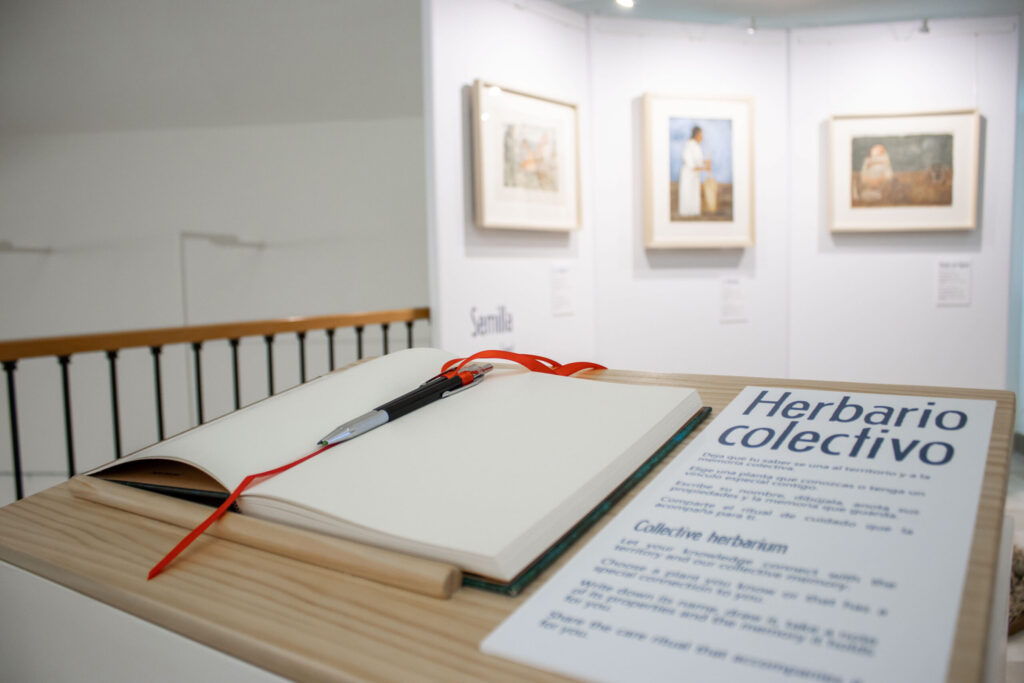
Through a comprehensive education programme and the implementation of participatory pedagogical tools in the gallery and digital environment, experiential and reflective processes are activated in visitors. The aim of these tools is to bring dynamics such as creation, shared reflection and the collective construction of meaning, usually restricted to workshops or specific activities, into the exhibition space, thereby broadening access to these processes to a broader cross-section of people.
In this way, the exhibition expands beyond its physical and temporal boundaries. People can interact with one or more tools, both in the gallery and on the project website, generating contributions that not only enrich their own experience but also become part of a living memory of the exhibition. These contributions, in turn, are incorporated into the project’s second phase, allowing for more diverse voices, experiences and perspectives.
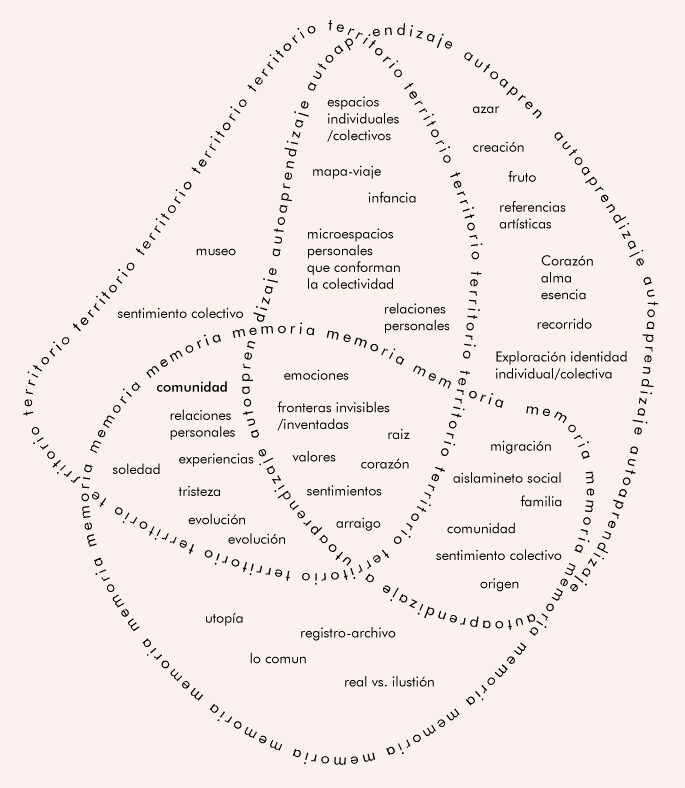
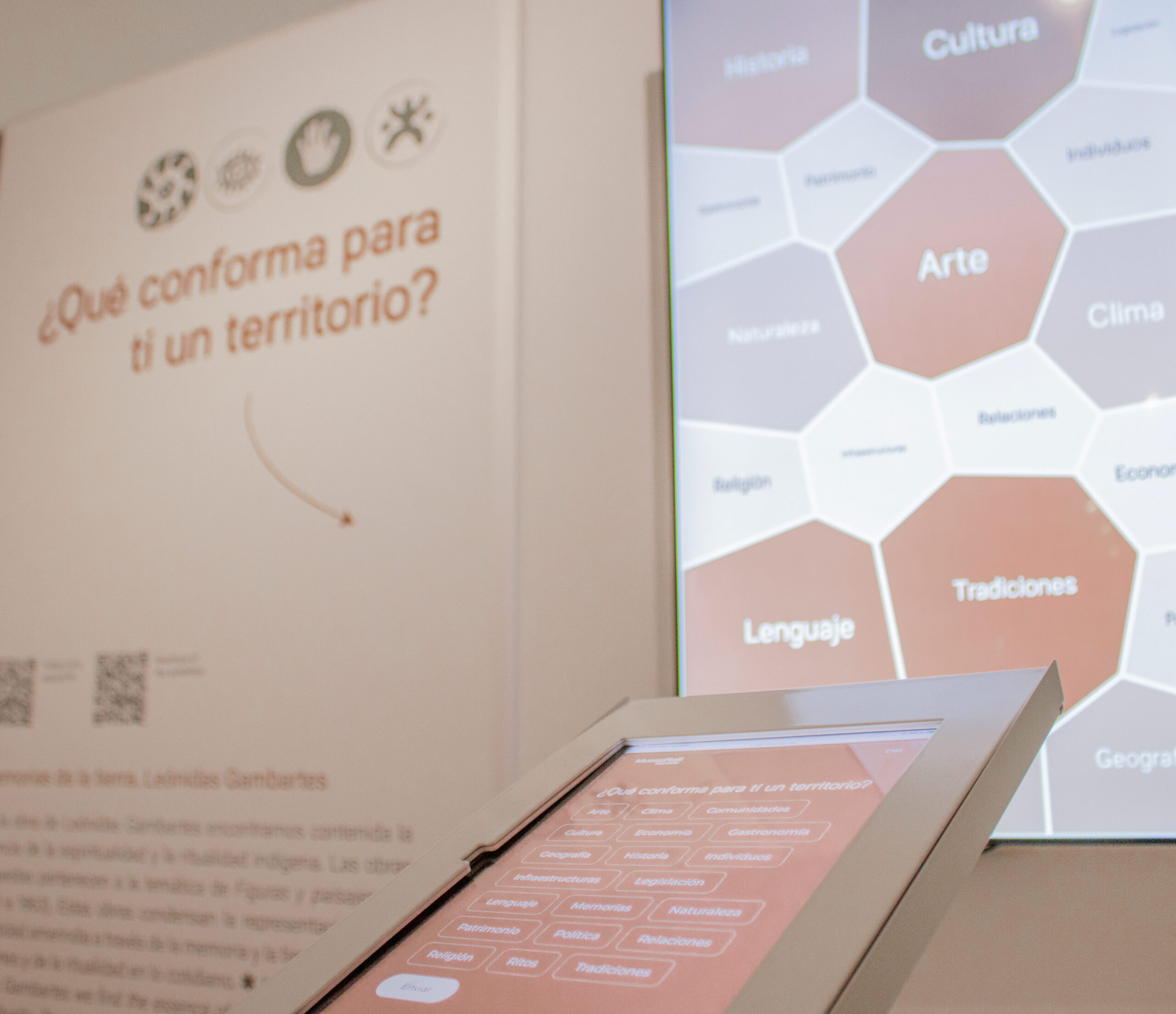
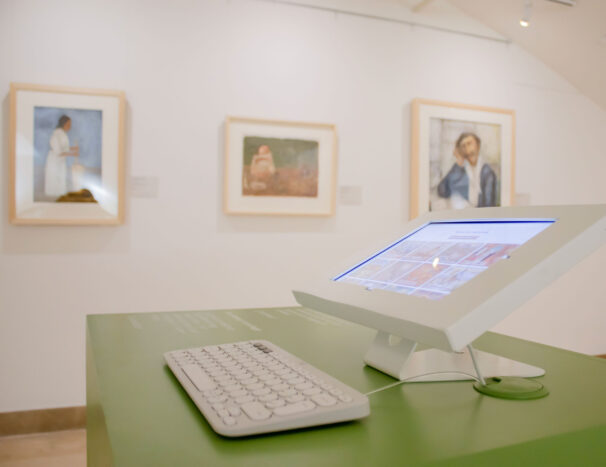
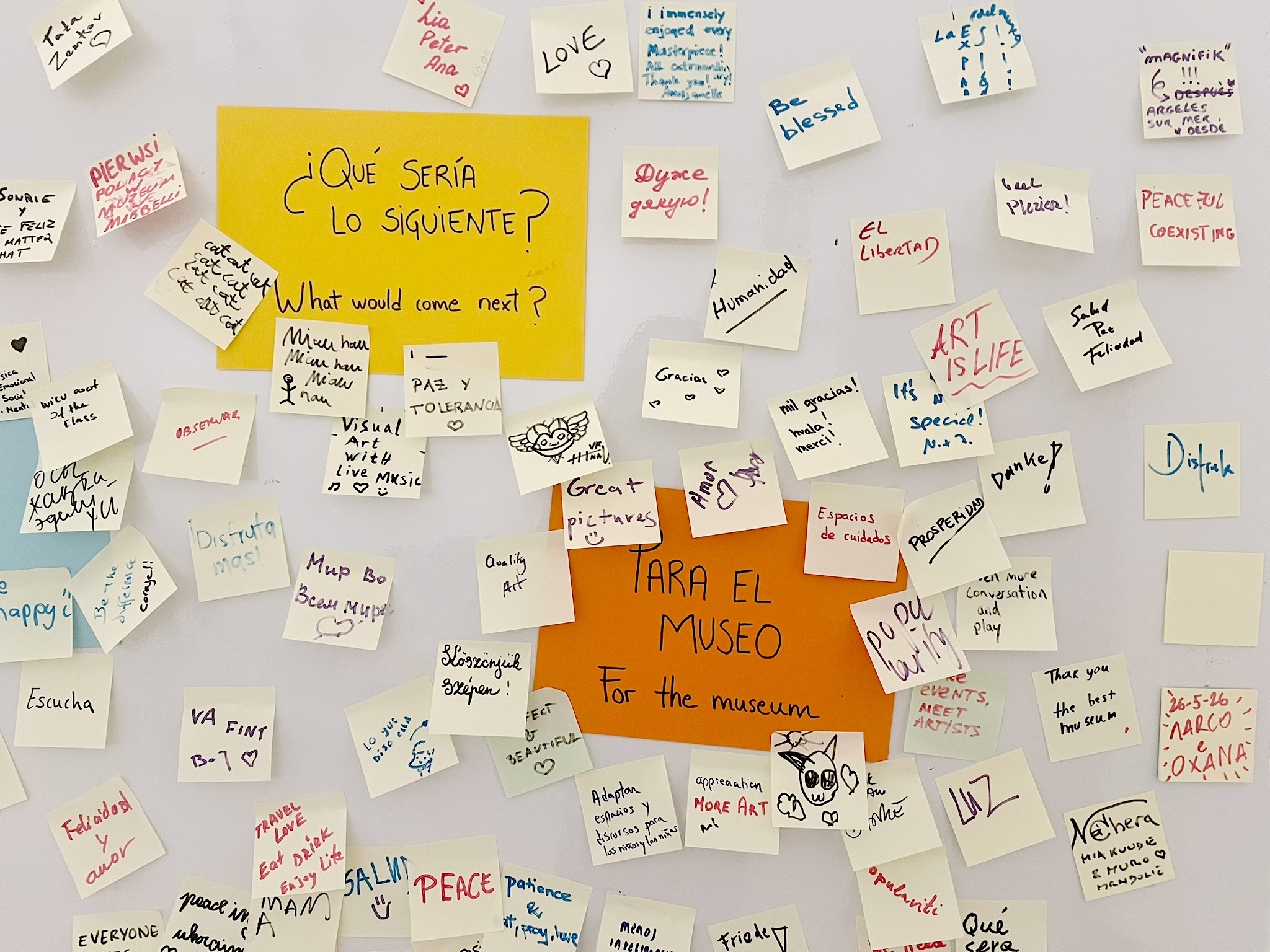
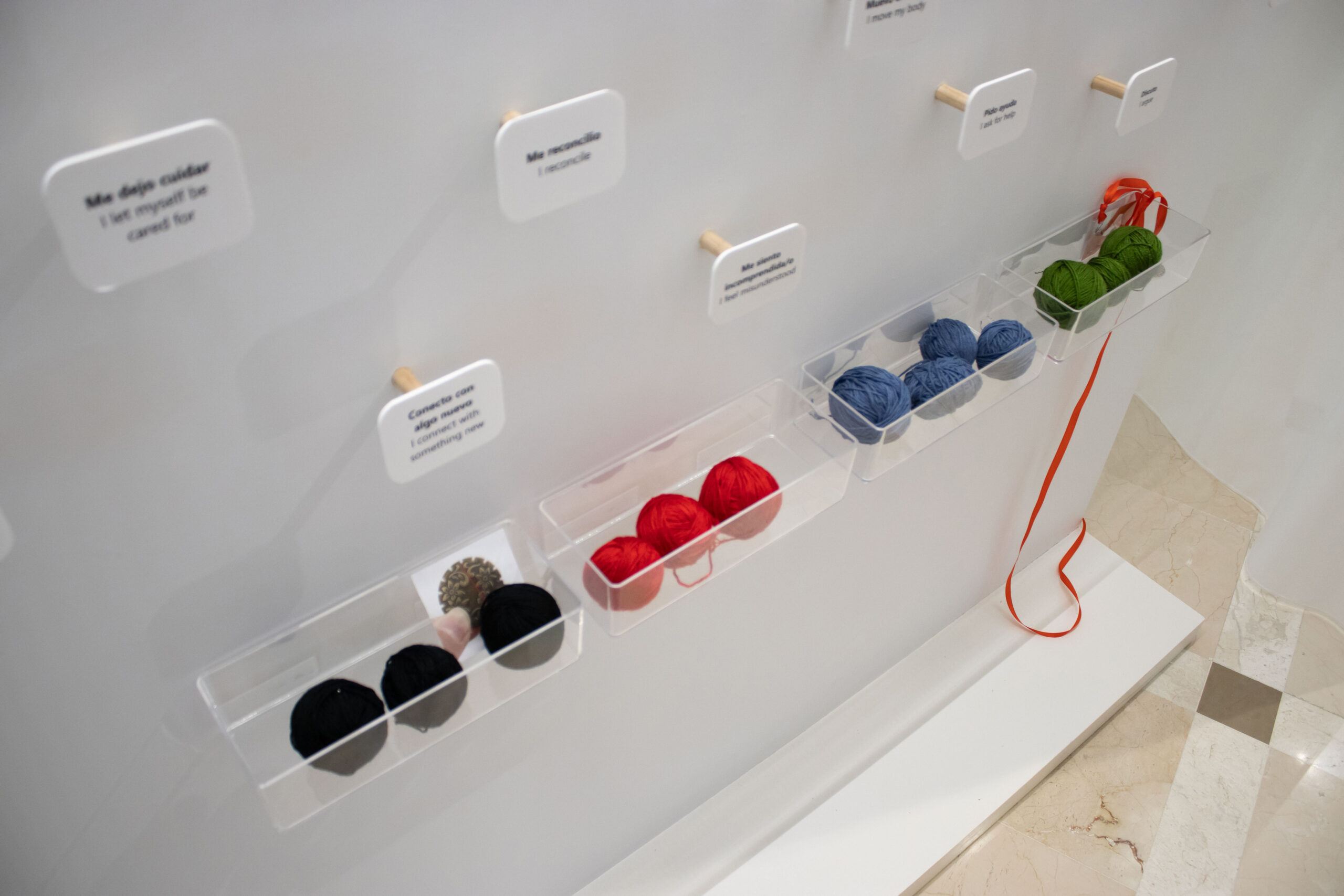
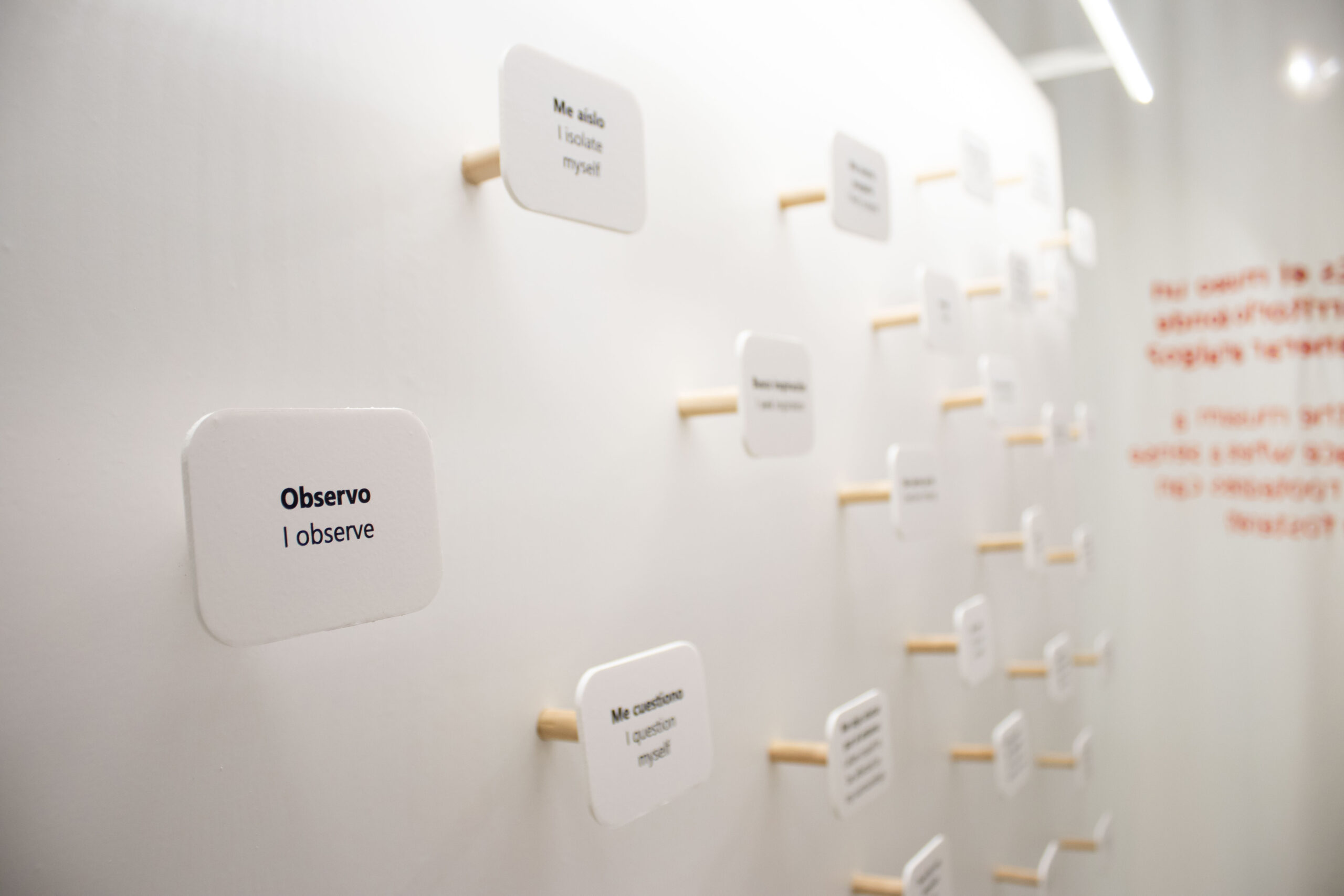
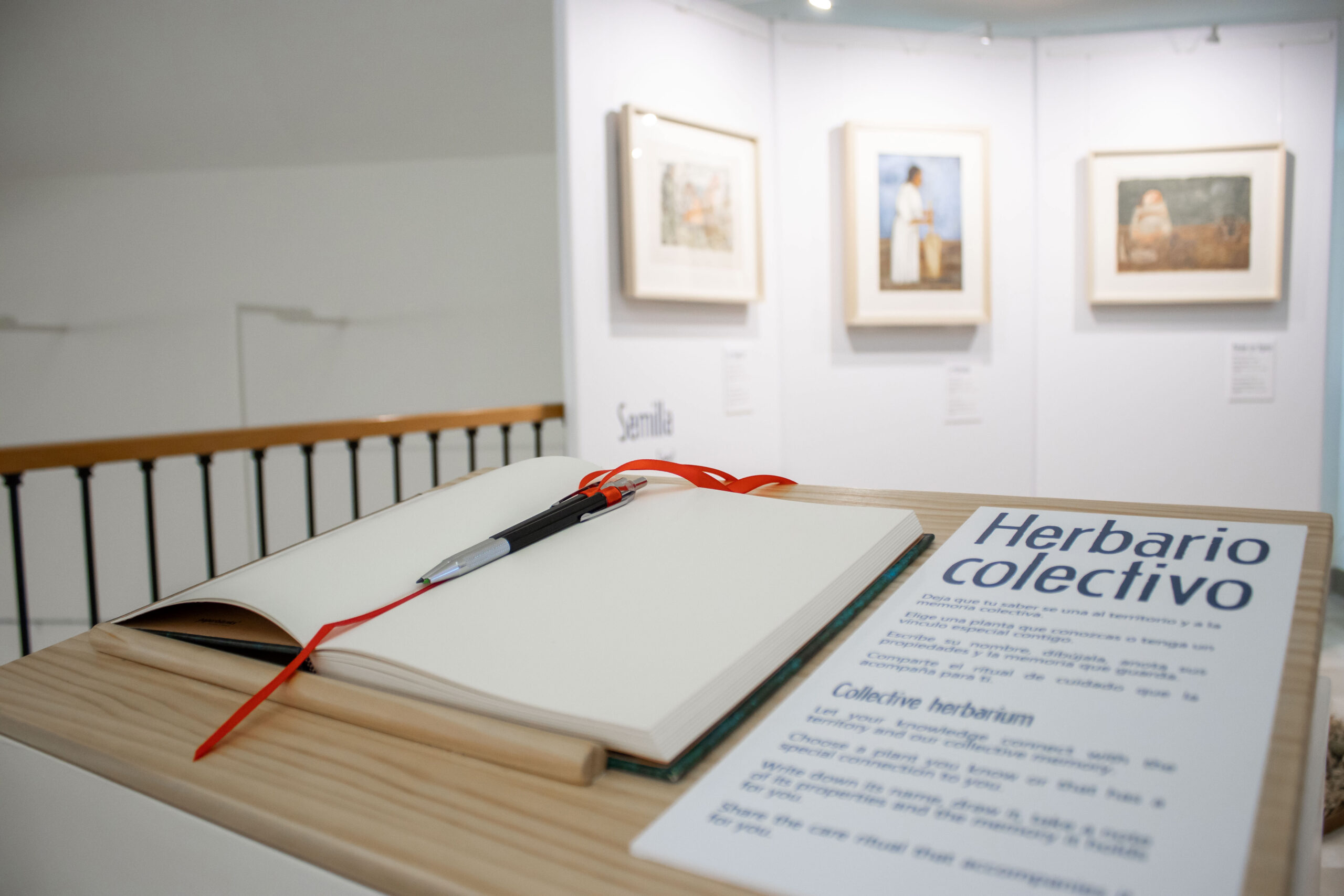
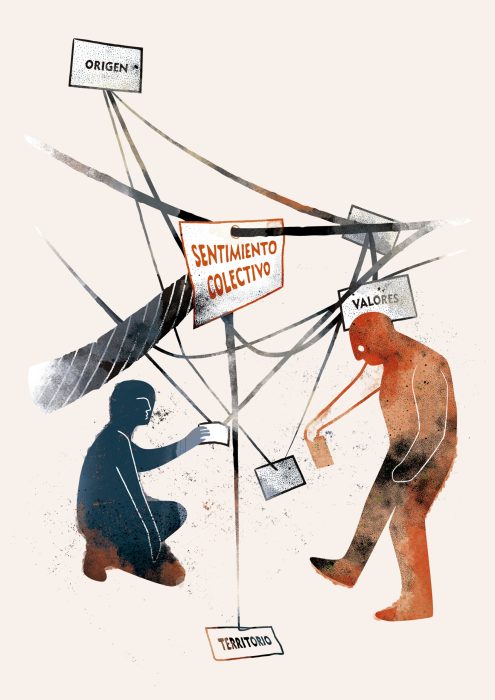
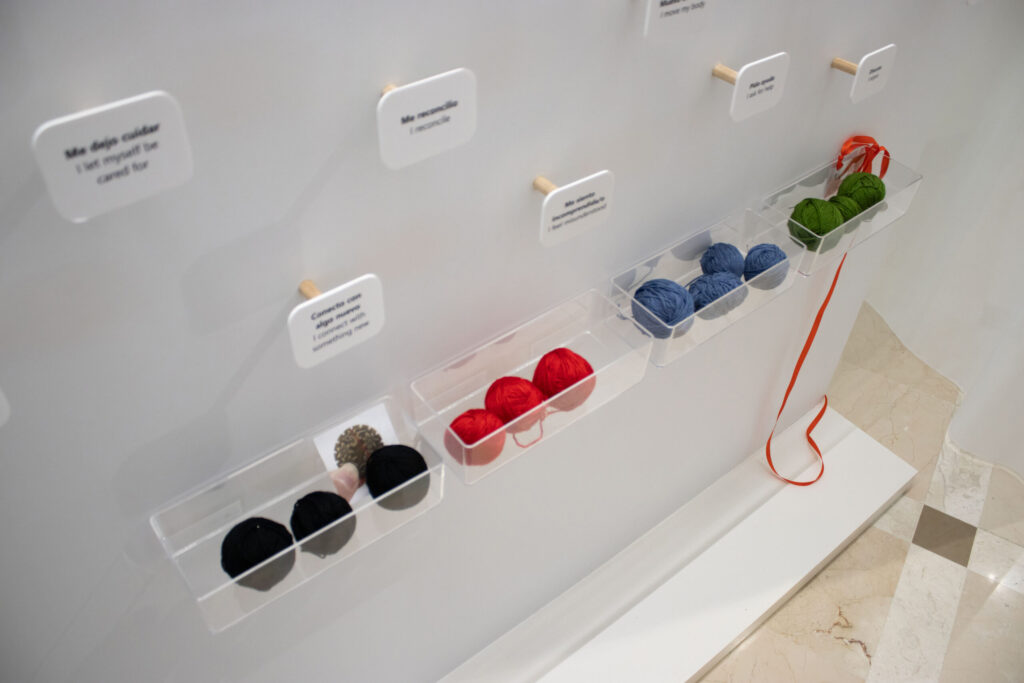
The educational tools developed in Memories of the land: Leónidas Gambartes include a concept map of the territory, which allows for real-time voting and visualisation of visitors’ collective perceptions, generating a dynamic map of meanings surrounding the concept of territory. “The Gambartes Expert”, a conversational chatbot, offers personalised guidance tailored to each visitor’s interests, opening new avenues of exploration. The mural of collective memory uses artificial intelligence as a creative tool to transform individual memories into a shared visual narrative. Meanwhile, the interactive wall uses analogue techniques to provide a space for direct dialogue between visitors and the museum.
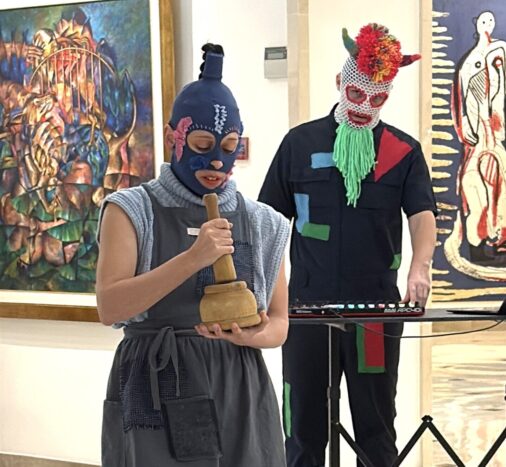
These tools do not function as complementary elements, but rather as a structural part of the project. They are used to put together the exhibition as a relational space where narratives are not only presented, but are also activated and transformed. A hybrid museum model is employed, in which the digital does not replicate the physical experience, but rather amplifies it, connecting the museum to other territories and communities. In parallel, the education programme – comprising workshops, meetings and participatory activities – delves deeper into these processes through collective artistic practice. These spaces prioritise experience, care and co-learning, generating a safe environment where people can explore, share and build identity together. The emphasis is on the process rather than the result, understanding creation as a tool for research and transformation.
Los dispositivos pedagógicos desarrollados en Memorias de la tierra. Leónidas Gambartes incluían un mapa conceptual sobre el territorio, que permitía votar y visualizar en tiempo real las percepciones colectivas del público, generando una cartografía dinámica de significados en torno al concepto de territorio.
“El experto en Gambartes”, un chat conversacional, ofrecía una mediación personalizada que se adaptaba a los intereses de cada visitante, abriendo nuevas líneas de exploración.
El mural de memoria colectiva utilizaba la inteligencia artificial como herramienta creativa para transformar recuerdos individuales en una narrativa visual compartida.
Por su parte, la pared interactiva, desde lo analógico, habilitaba un espacio de diálogo directo entre visitantes y museo.
Estos dispositivos no funcionan como elementos complementarios, sino como parte estructural del proyecto. A través de ellos, la exposición se configura como un espacio relacional donde los relatos no solo se presentan, sino que se activan y se transforman. Se plantea un modelo de museo híbrido, en el que lo digital no replica, sino que amplifica la experiencia física, conectando el museo con otros territorios y comunidades.
Paralelamente, el programa educativo -compuesto por talleres, encuentros y propuestas participativas- profundiza en estos procesos desde la práctica artística colectiva. En estos espacios se priorizan la experiencia, el cuidado y el co-aprendizaje, generando un entorno seguro donde las personas pueden explorar, compartir y construir identidad juntas. El énfasis se sitúa en el proceso más que en el resultado, entendiendo la creación como una herramienta de investigación y transformación.
Lorem ipsum dolor sit amet, consectetur adipiscing elit. Ut elit tellus, luctus nec ullamcorper mattis, pulvinar dapibus leo.
At this point, a key question emerges: how can we convey all that has been experienced? The creation of a second exhibition was planned from the outset of the project, one that would not show final results but that would be capable of conveying the processes, experiences and reflections generated. The challenge was meaningful: how can we build an exhibition about collective identity? The answer is clear: by including those who generated it. In other words, our visitors.
One of the project’s key pillars therefore emerged: the community curatorial laboratory. This collective workspace allows a group of participants to become directly involved in conceptualising the second phase. Through ongoing sessions spread over the course of a year, the questions raised by the initial exhibition are revisited, and the experiences gathered are analysed and transferred to a new exhibition context.
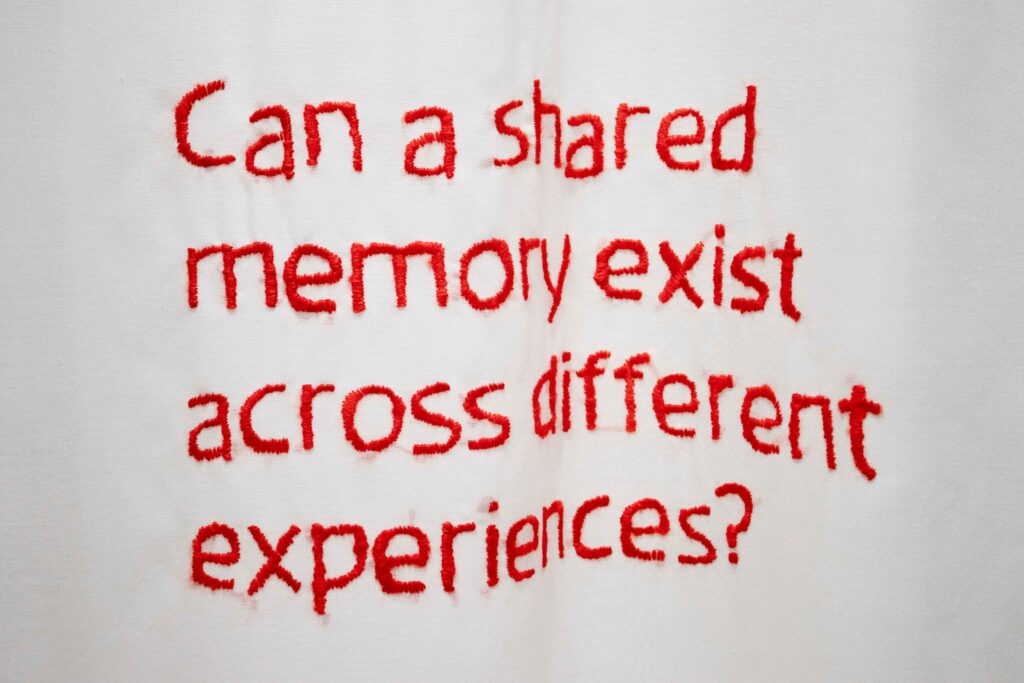
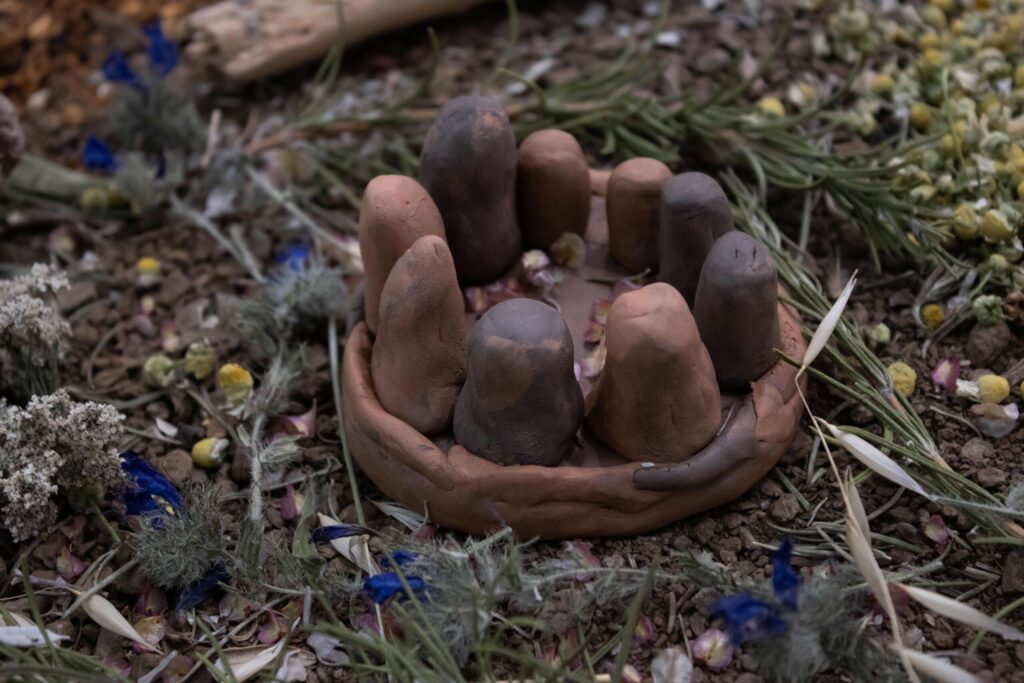
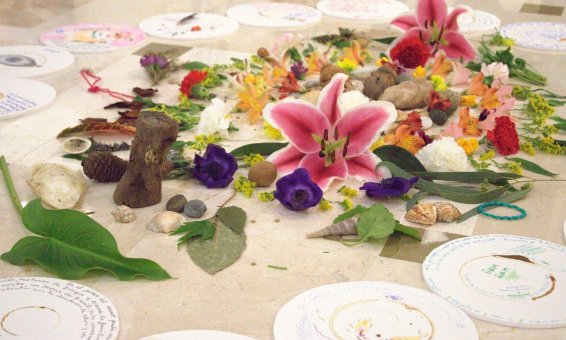
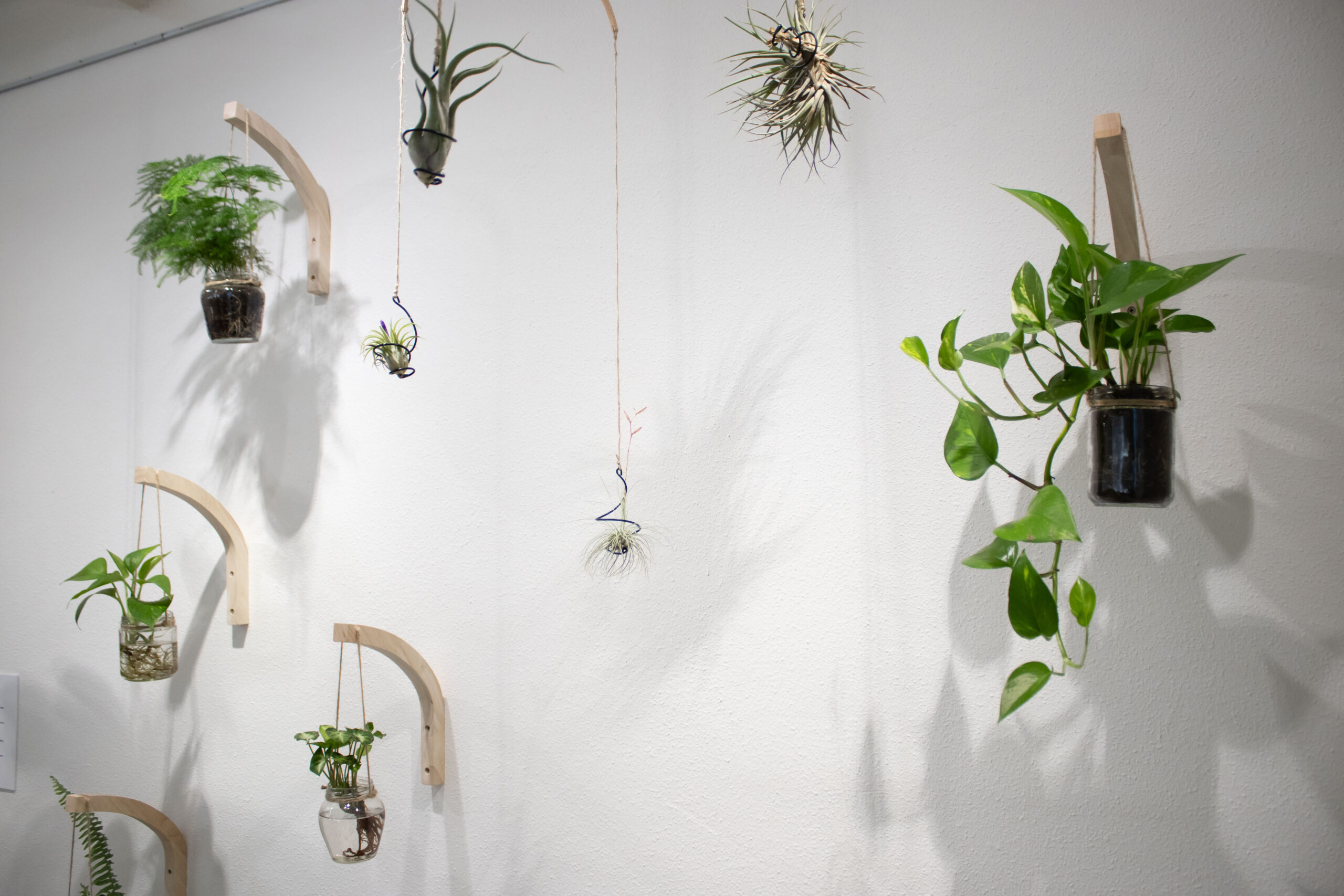
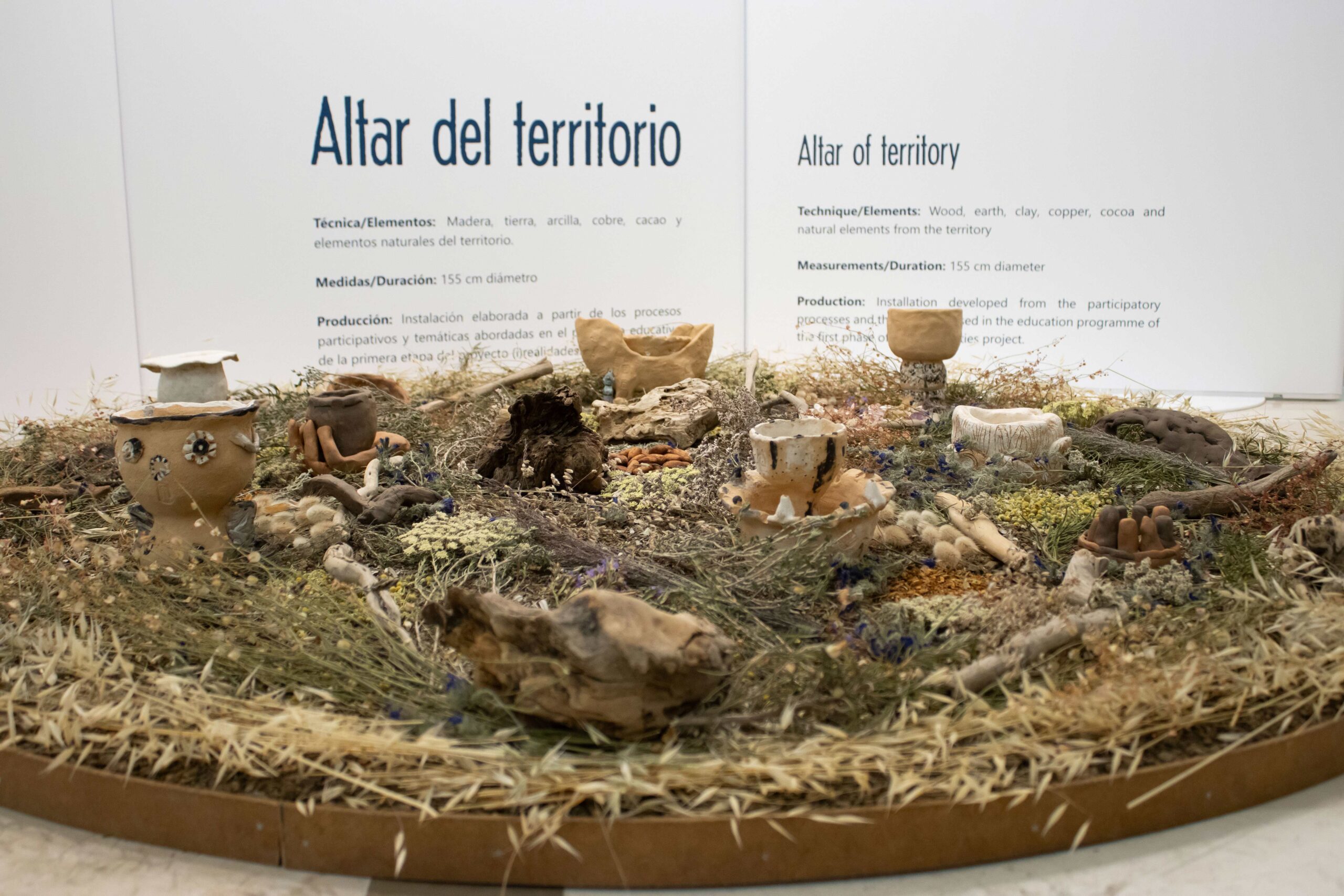
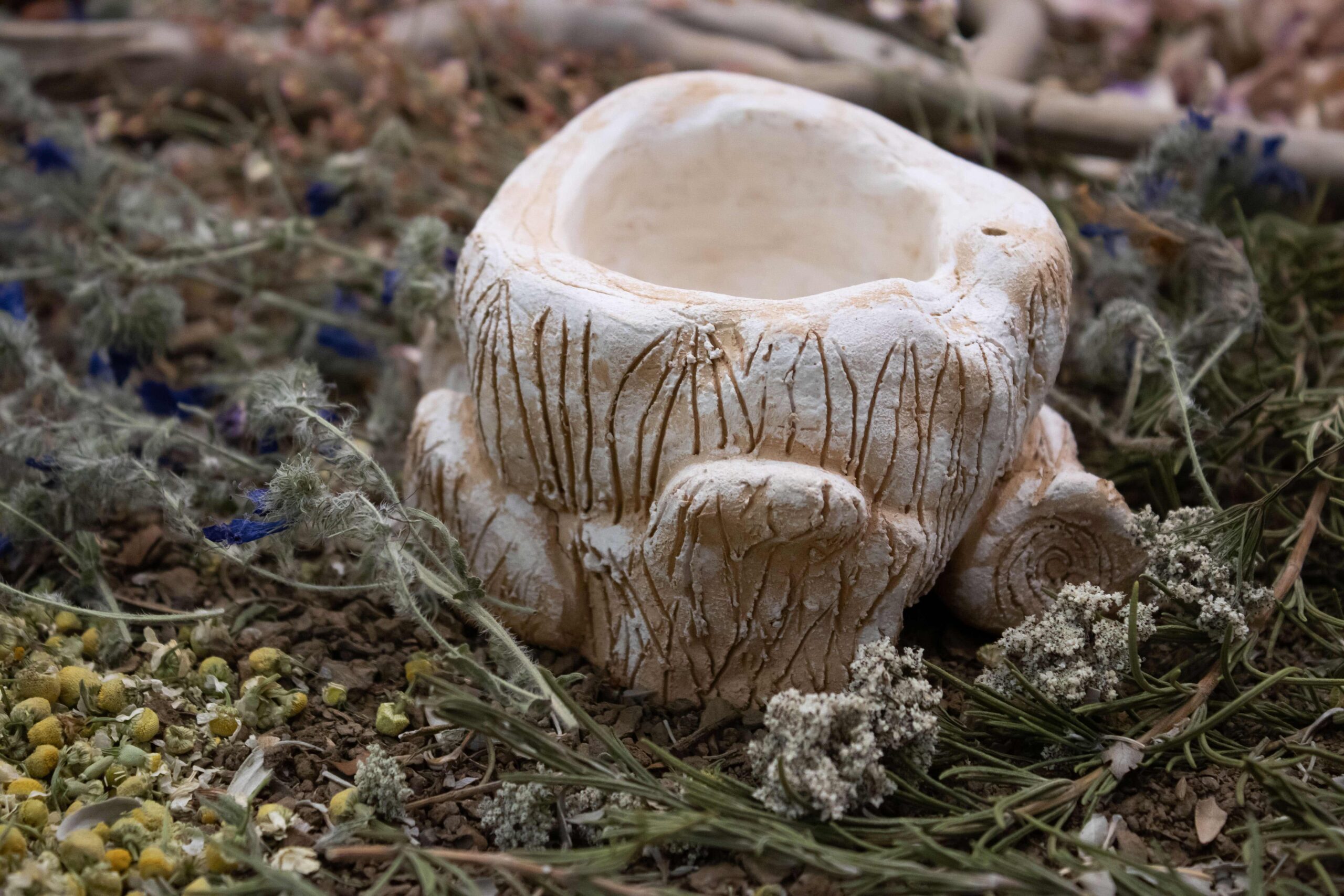
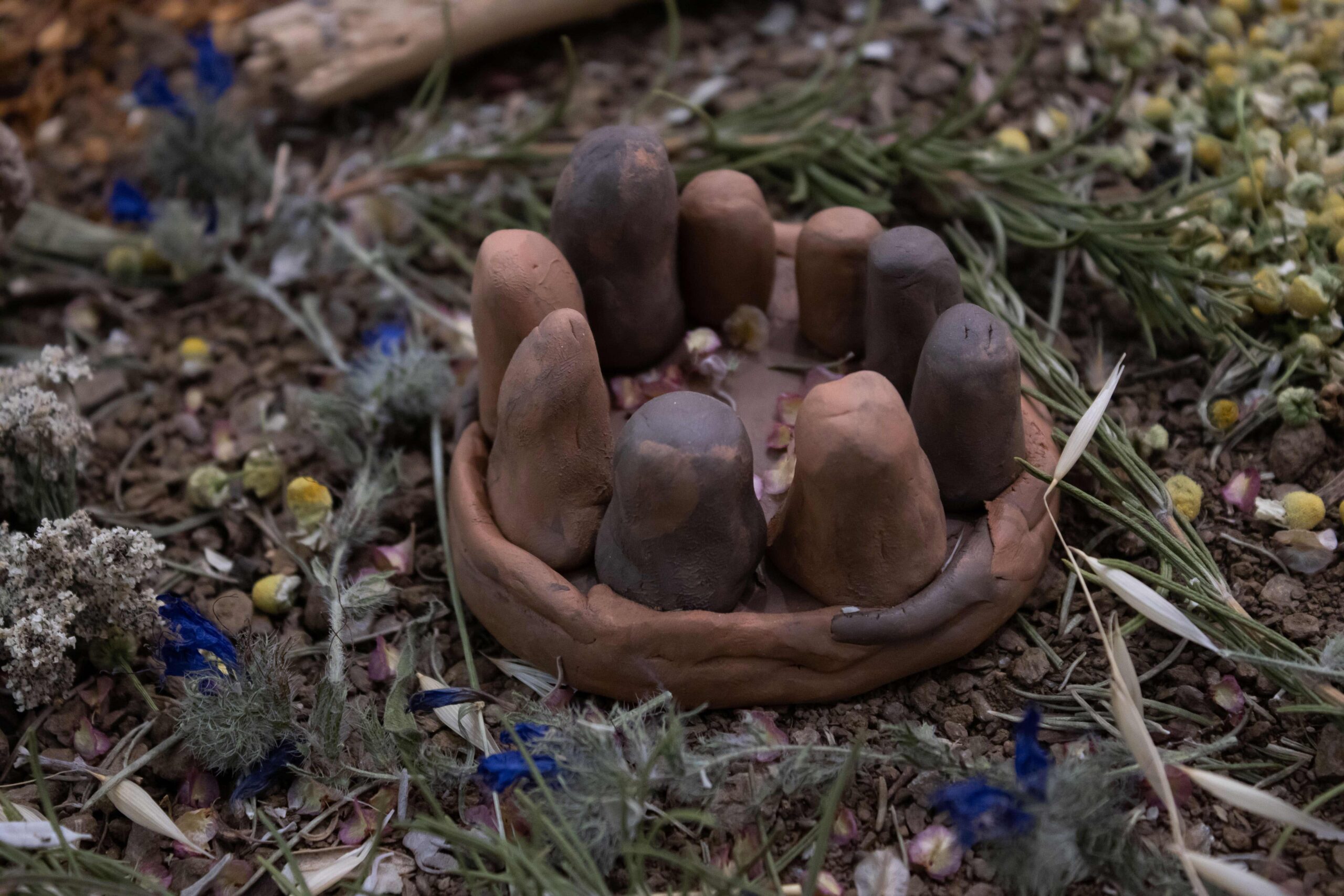
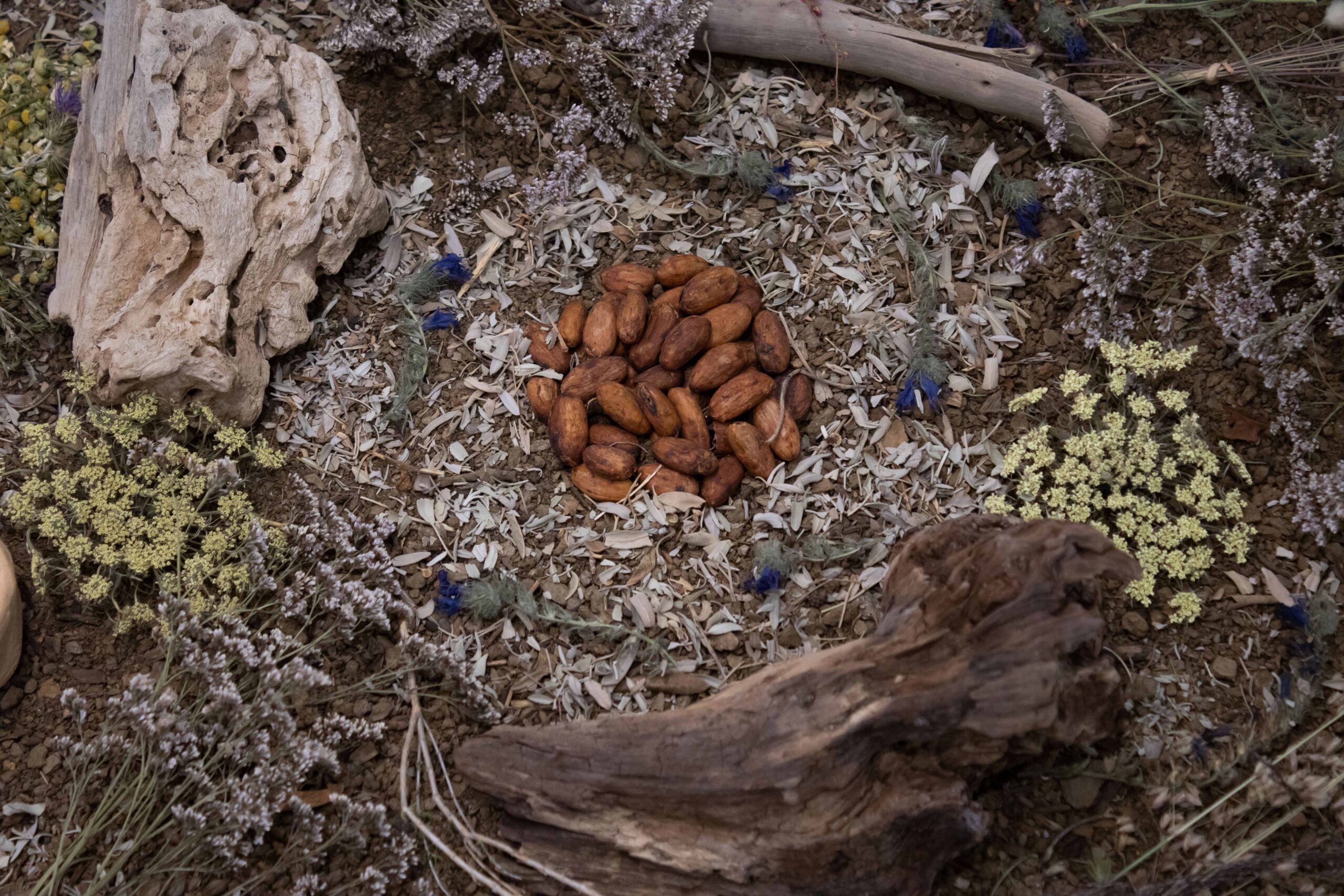
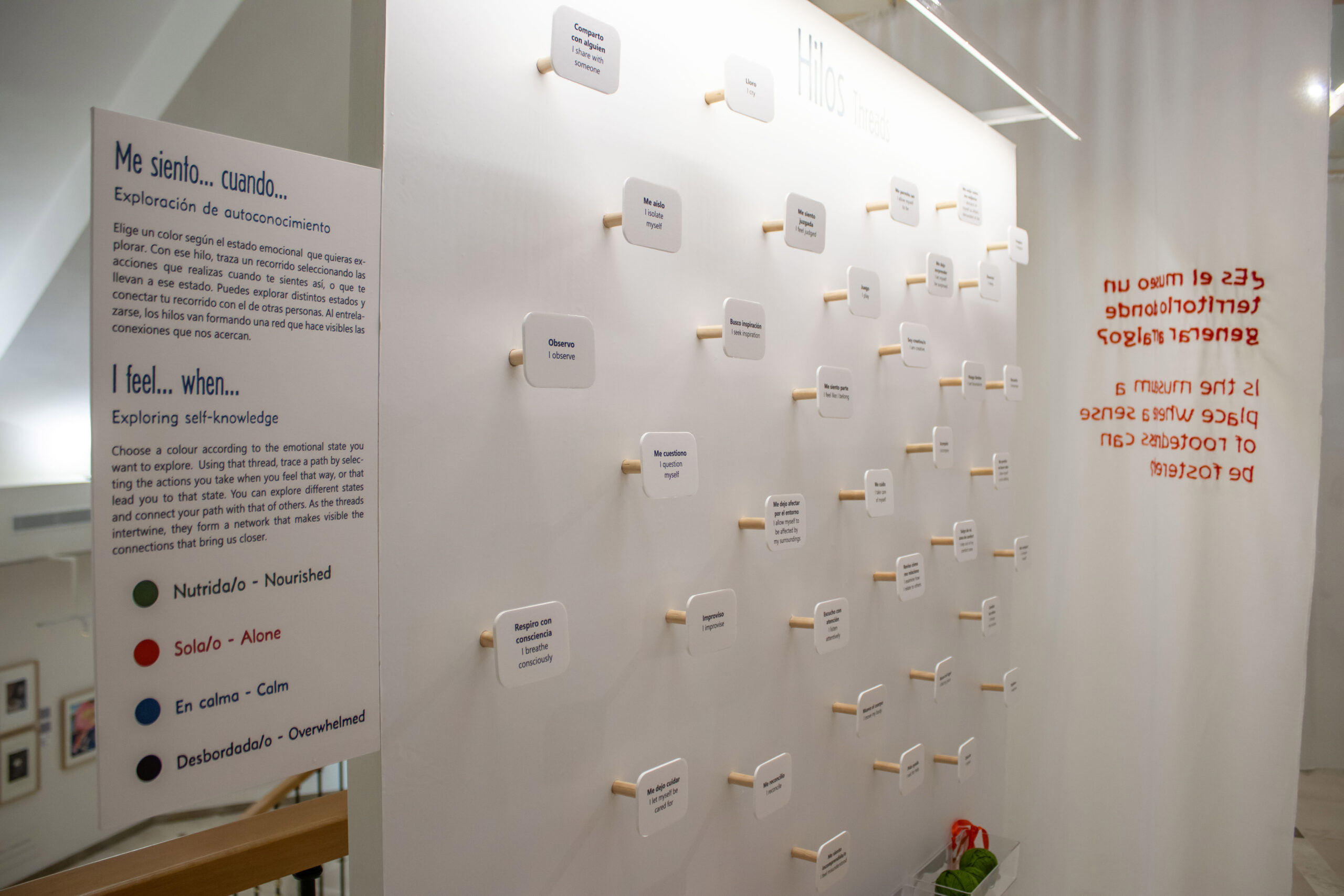
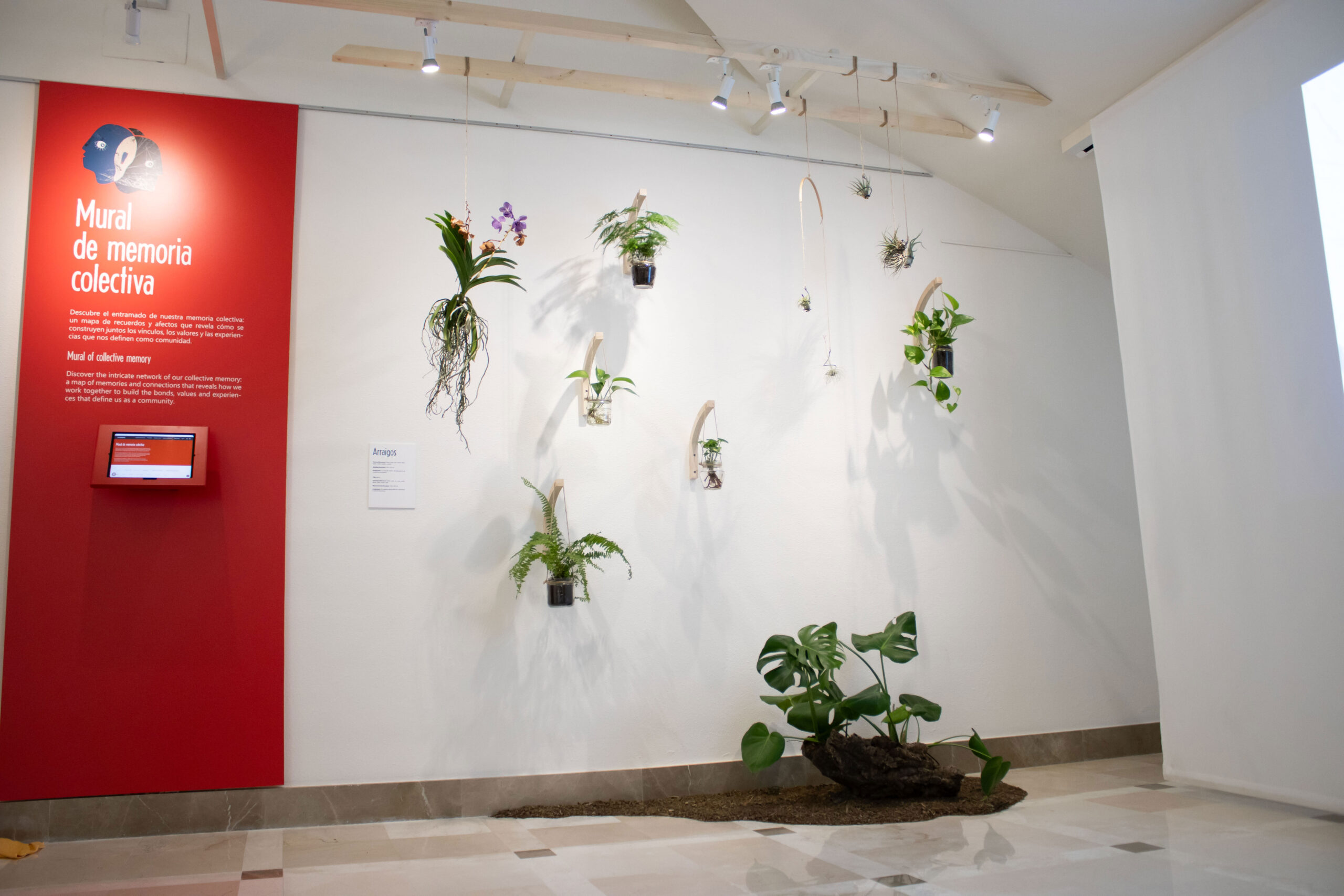
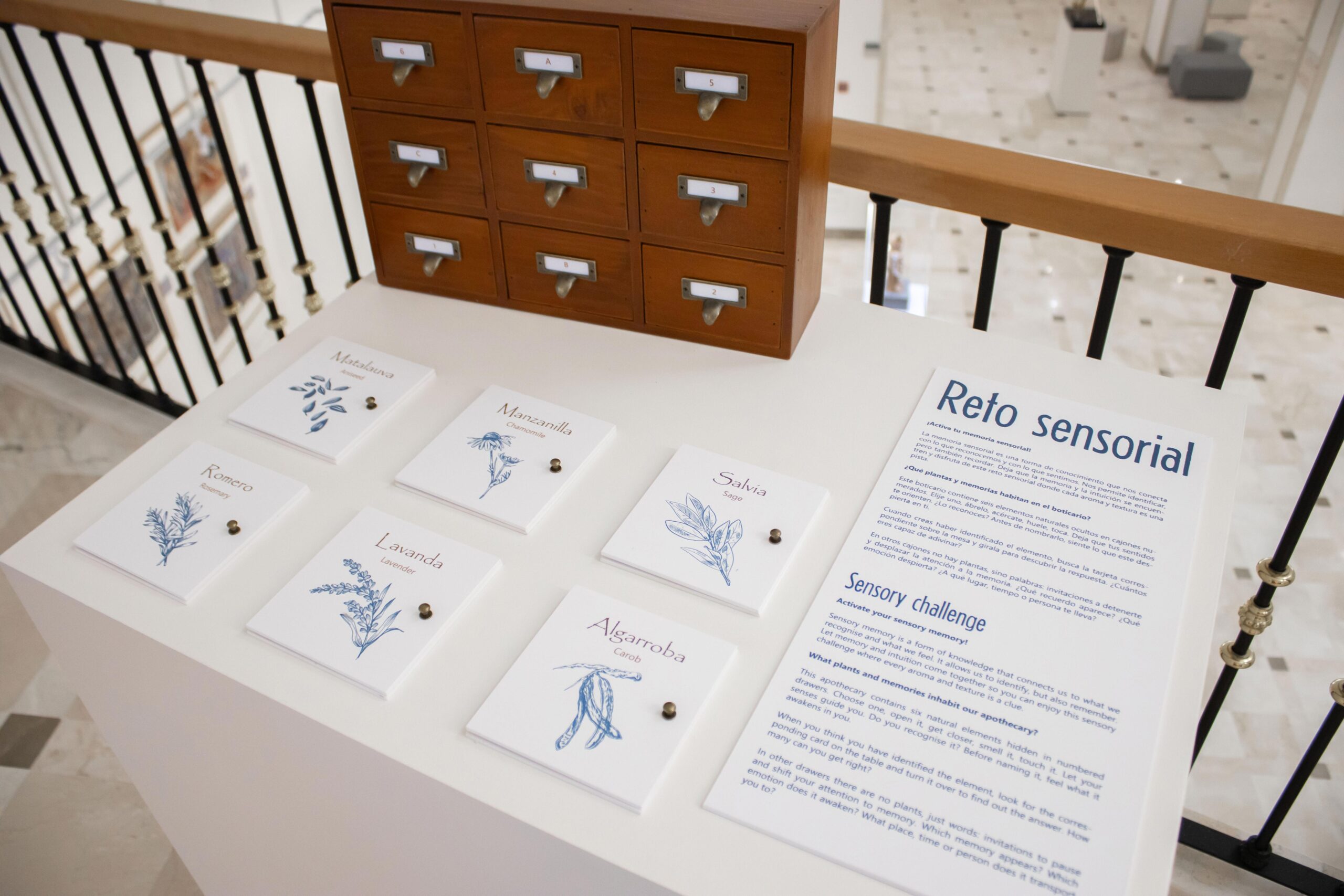
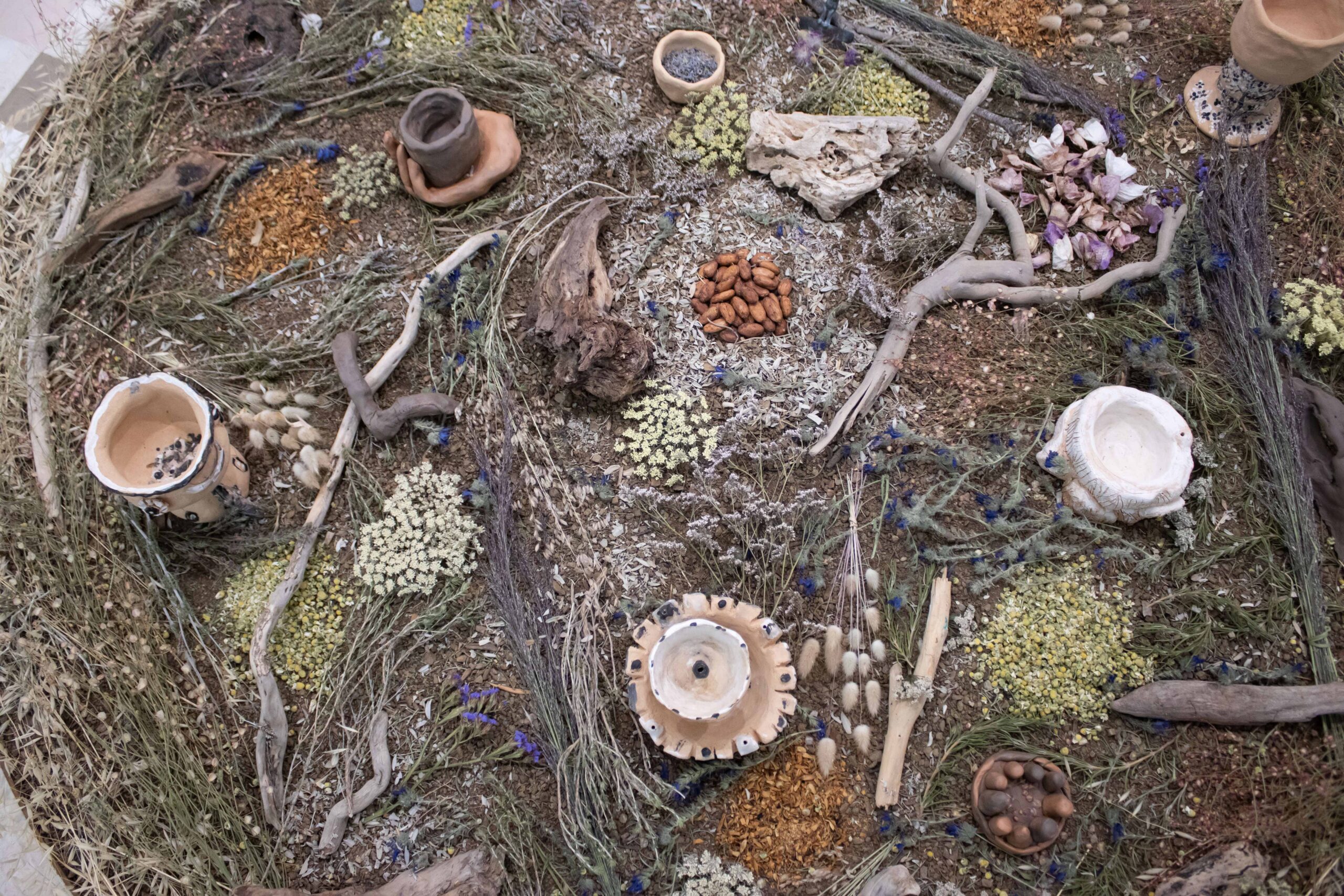
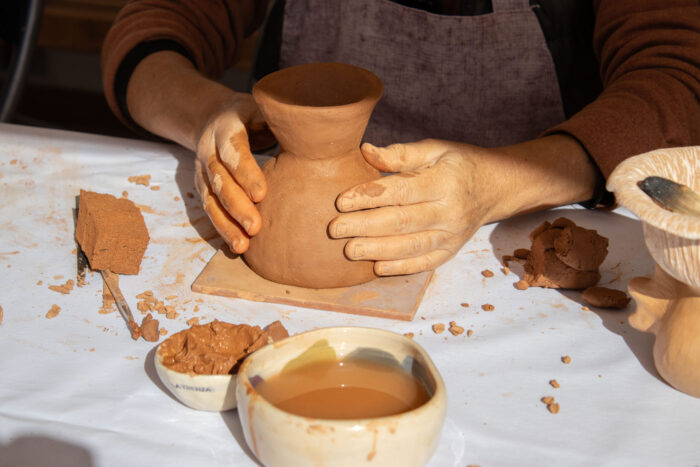
Inhabiting roots. Sensory practices in territory came from this process. This second exhibition is not planned as a closure, but as a reactivation. The testimonies, conversations and productions generated during the project provided the core material for the exhibition’s discourse. The installations invite visitors to explore, feel and inhabit these experiences, reopening the process to those who visit, and keeping the essence of the project alive: participation, experimentation, and collective construction throughout the exhibition. A series of sensory installations, along with participatory activities, have therefore been developed to activate and gather the knowledge, memories and experiences of new audiences.
(i)realidades propone una nueva forma de entender y relacionarse con el arte y la institución museística. El patrimonio deja de ser un conjunto estable de objetos para configurarse como un campo dinámico de significados en constante construcción. El museo, por su parte, se redefine como un espacio de mediación cultural, producción colectiva de sentido y construcción de comunidad.
A lo largo de su desarrollo, el proyecto ha generado un impacto tangible que se refleja en participación sostenida, la creación de vínculos de pertenencia, la implicación activa de los públicos y la transformación en la relación entre las personas y el museo.
(i)realidades no es, por tanto, un proyecto cerrado, sino un proceso en continua transformación. Un espacio donde el arte se activa como herramienta para pensar, sentir y construir en común; donde el conocimiento se produce colectivamente; y donde el museo se abre, se deja afectar y se redefine en relación con las comunidades que lo habitan.
En su base y en su desarrollo, el proyecto es también un ejercicio de co-creación y pensamiento colectivo que atraviesa todos sus niveles: desde los públicos hasta el equipo del museo y las colaboraciones externas. Un proceso compartido que evidencia las posibilidades que emergen cuando se construye en común, y que se configura, en sí mismo, como un registro vivo de esas formas de hacer.
(un)realities offers a new way of understanding and relating to art and the museum institution. Heritage ceases to be a stable collection of objects and becomes a dynamic field of meanings under constant construction. The museum is redefined as a space for cultural mediation, collective meaning-making, and community building.
Throughout its entire process, this project has generated a tangible impact that is reflected in sustained participation, the creation of a sense of belonging, the active involvement of the public, and the transformation of the relationship between people and the museum.
(un)realities is therefore not a closed project, but a process in continuous transformation. It is a space where art is activated as a tool for shared thinking, feeling and building; where knowledge is produced collectively; and where the museum opens itself up, allows its emotions to flourish, and redefines itself in relation to the communities that inhabit it.
At its core and all the way throughout, the project is also an exercise in co-creation and collective thinking that traverses all its levels: from the general public to the museum team and external collaborators. This shared process highlights the possibilities that emerge when we build together, and that in itself serves as a living record of these shared creations.