Habitar las raíces
Caminar, observar, oler, sentir.
Esta exposición invita a recorrer un camino propio dentro de un territorio emocional compartido. En él se entrelazan vivencias, pensamientos y procesos individuales que configuran una identidad colectiva: múltiple, dinámica y en constante transformación.
Las instalaciones que componen la muestra recogen los procesos y reflexiones desarrollados en un proyecto participativo llevado a cabo entre febrero de 2025 y marzo de 2026, cuya activación partió de la exposición Memorias de la tierra. Leónidas Gambartes.
Memorias de la tierra. Leónidas Gambartes
(2025-2026). Esta primera muestra abordaba nociones como territorio, memoria y ritualidad, presentes en la obra de Leónidas Gambartes, al tiempo que invitaba a los públicos a compartir sus propias reflexiones en torno a ellas.
De ese intercambio emergen las instalaciones y dispositivos que ahora conforman “Habitar las raíces. Prácticas artísticas en territorio”.
La exposición Habitar las raíces se articula en tres espacios: el terrenal, el de tránsito y el sensorial. En todos ellos, el cuerpo es convocado a participar activamente.
Terrenal
Tránsito
Sensorial
Saber más
Juega con el folleto de la exposicón
El proyecto (i)realidades: La historia ilustrada
La materia, los sentidos y las emociones constituyen los verdaderos contenidos de la muestra, orientados a generar experiencias singulares desde la memoria personal.
Las instalaciones se plantean así como herramientas para transmitir otros saberes y activar nuevos.
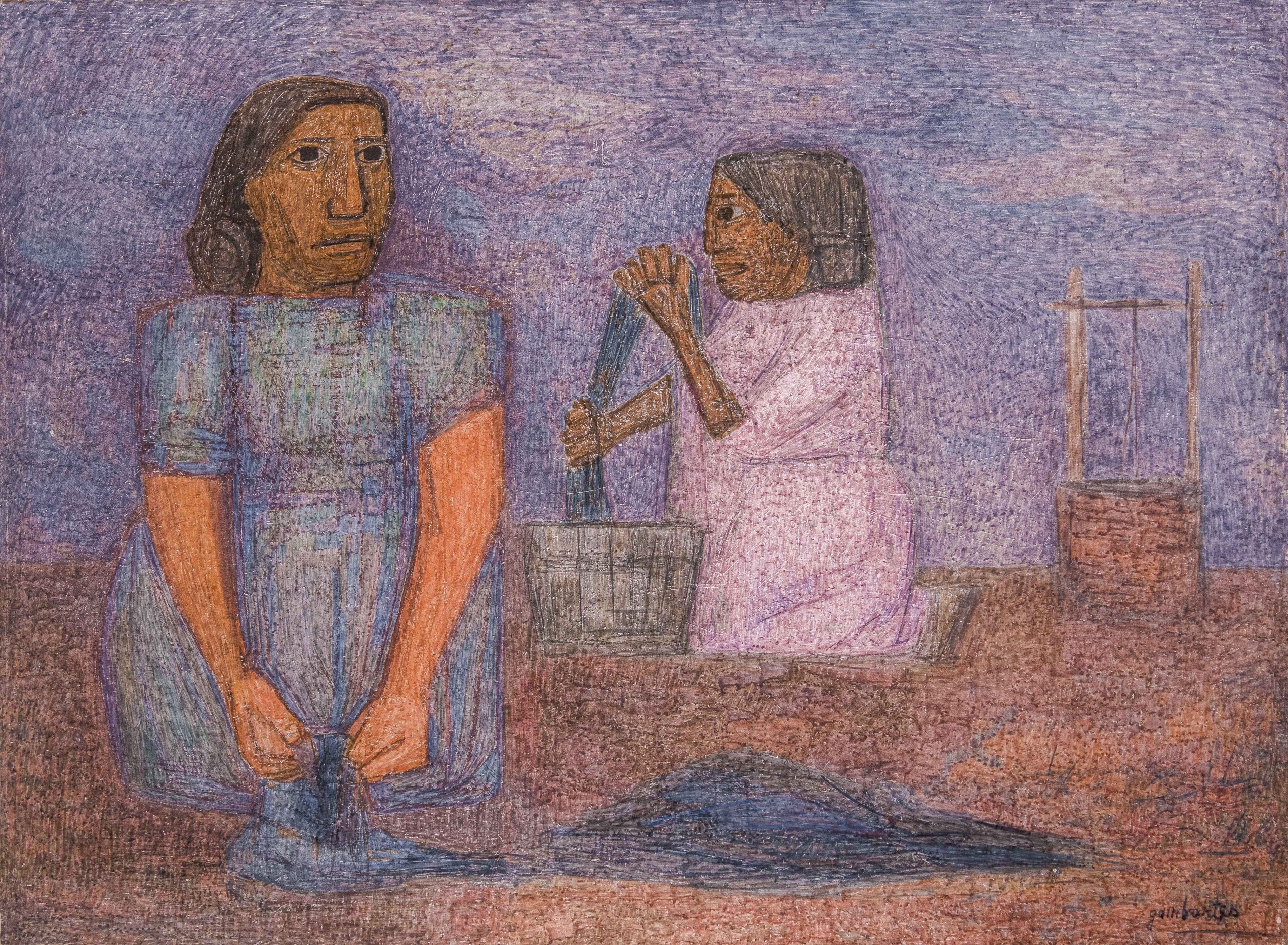
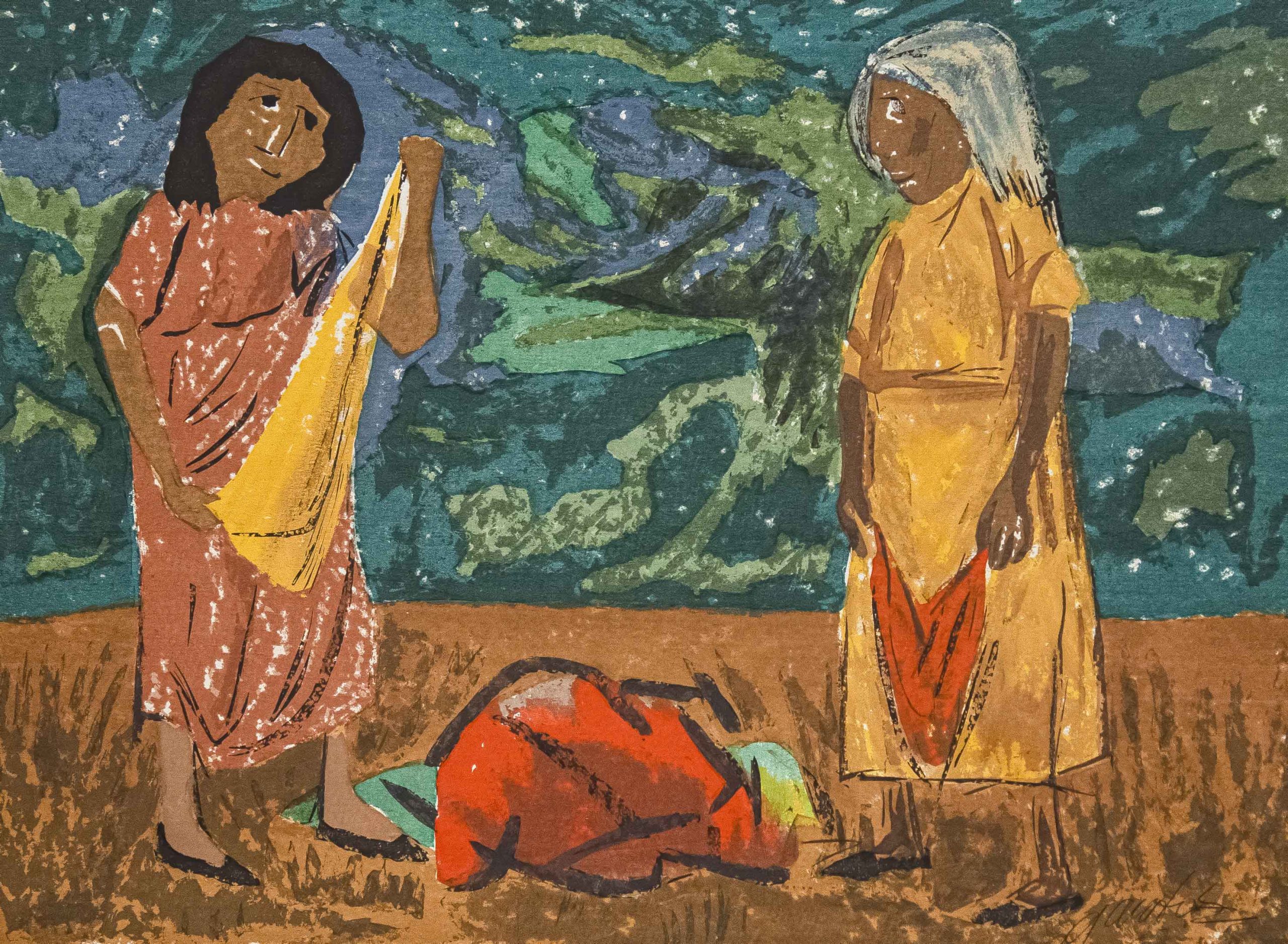
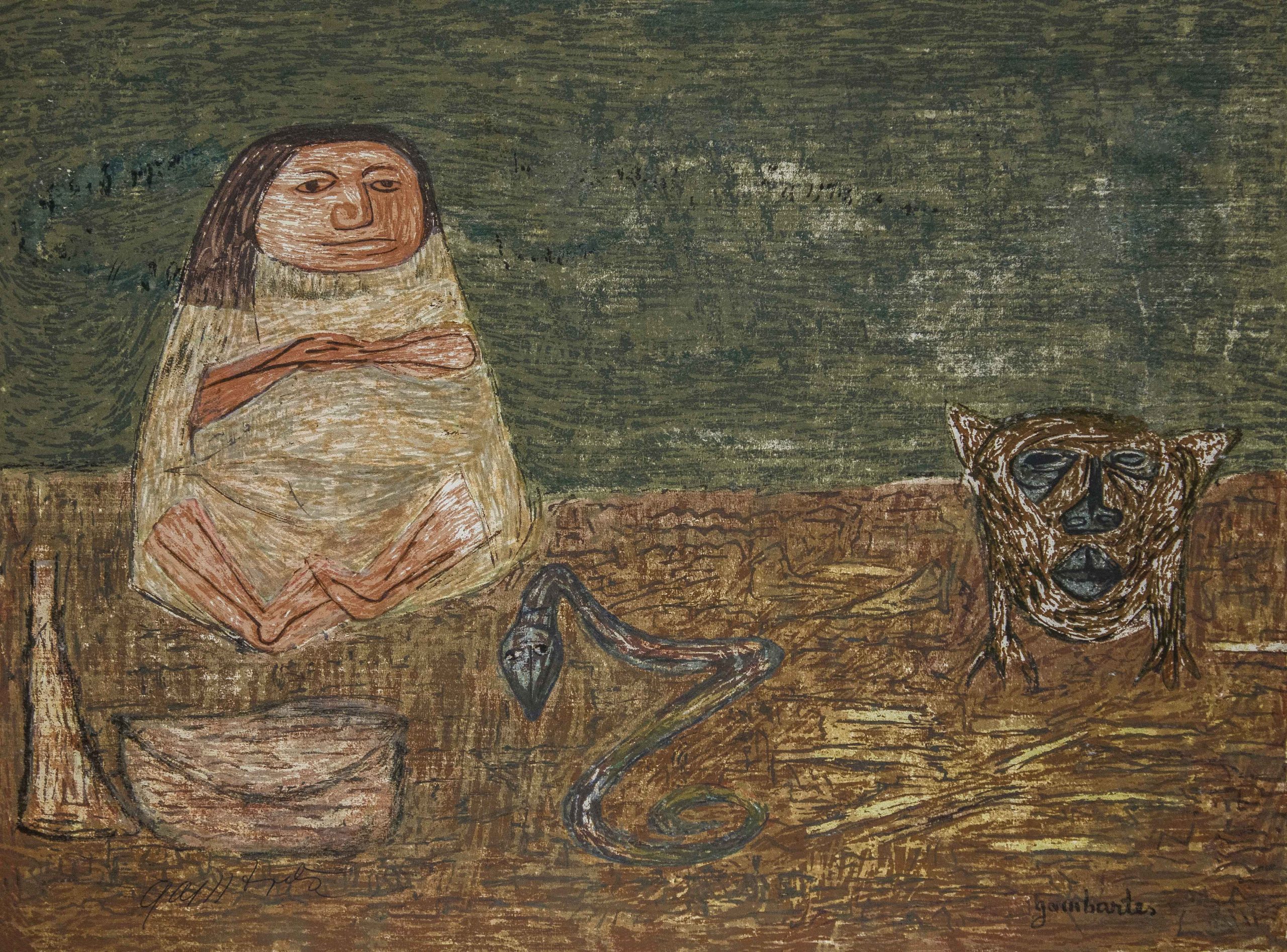
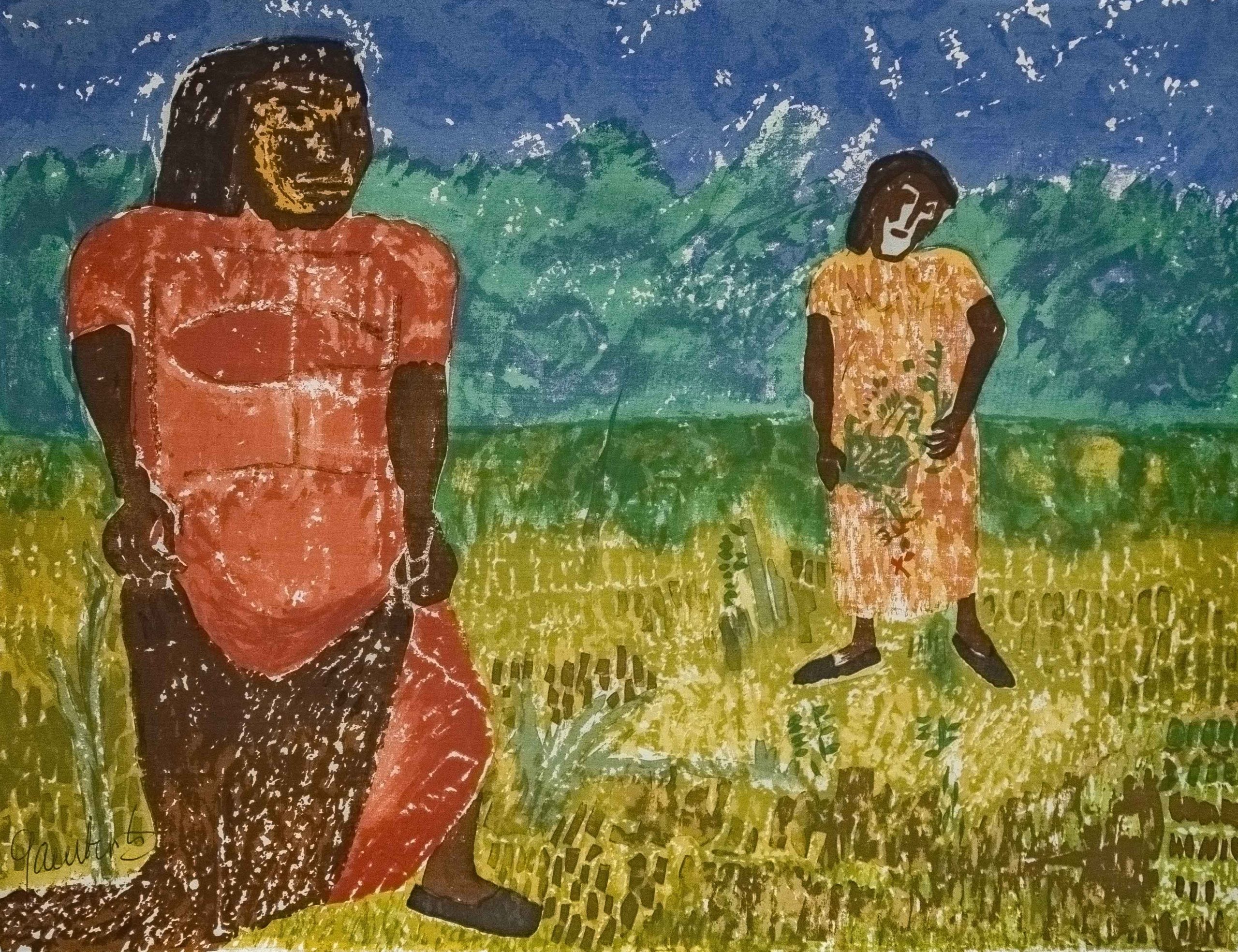
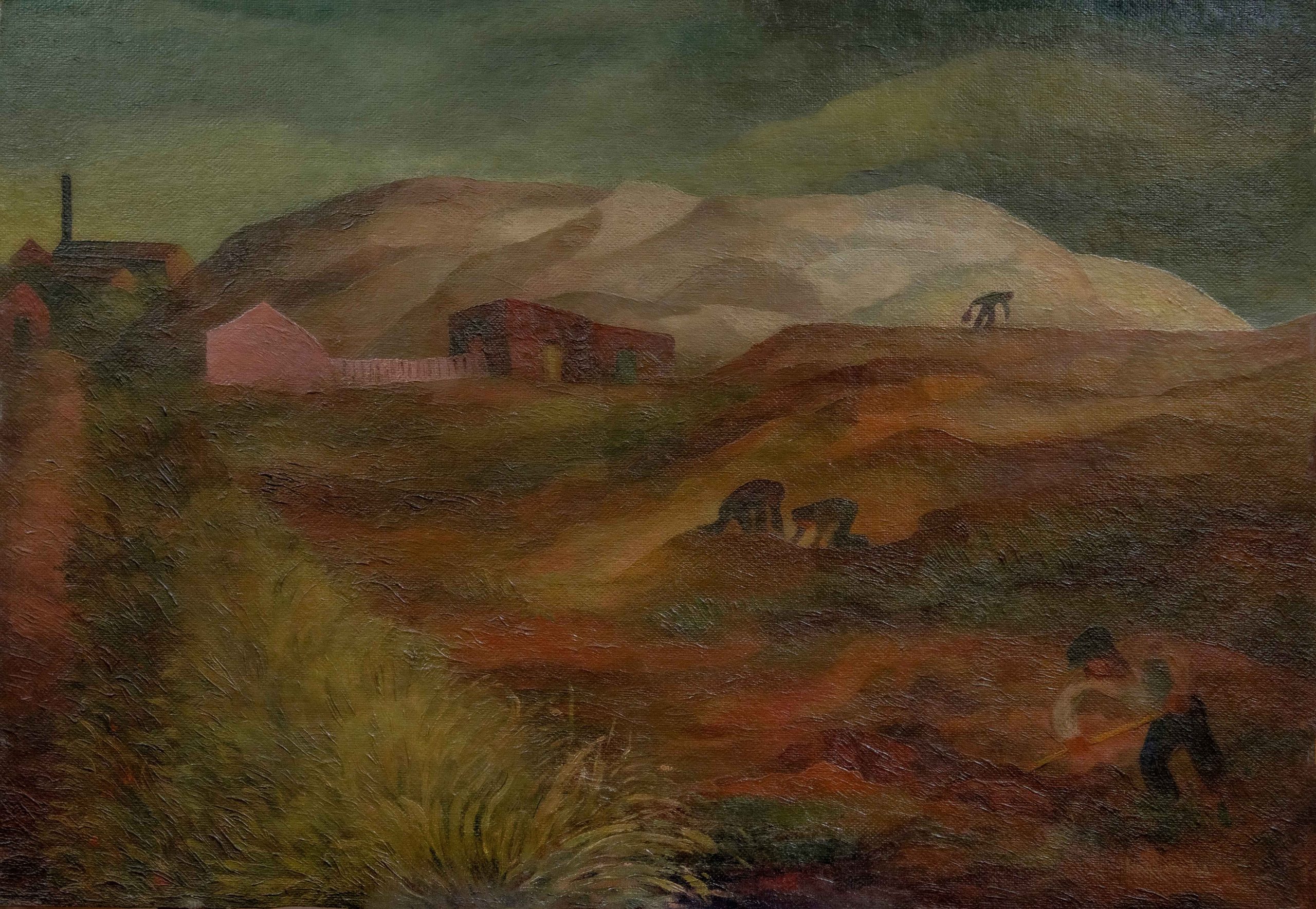
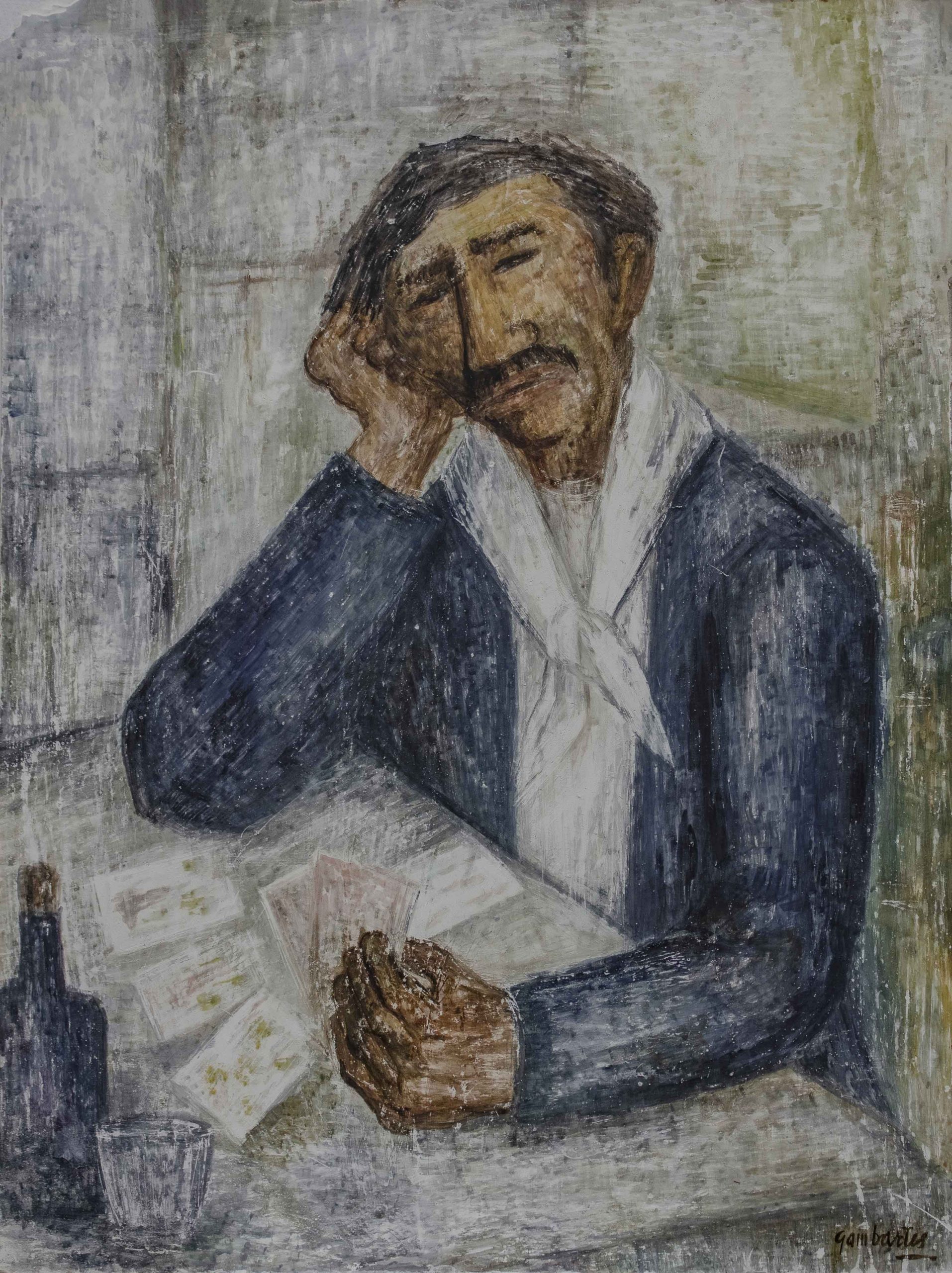
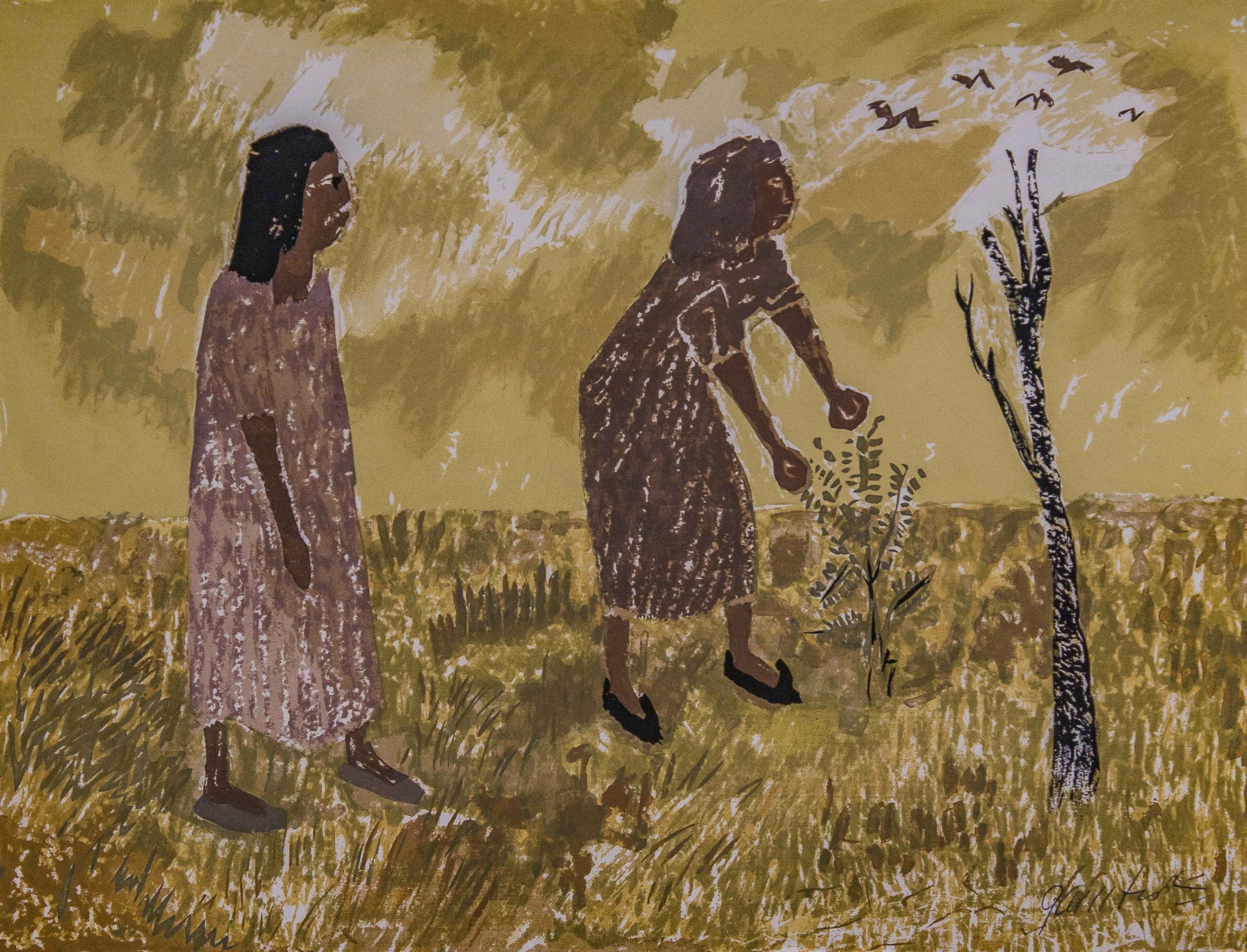
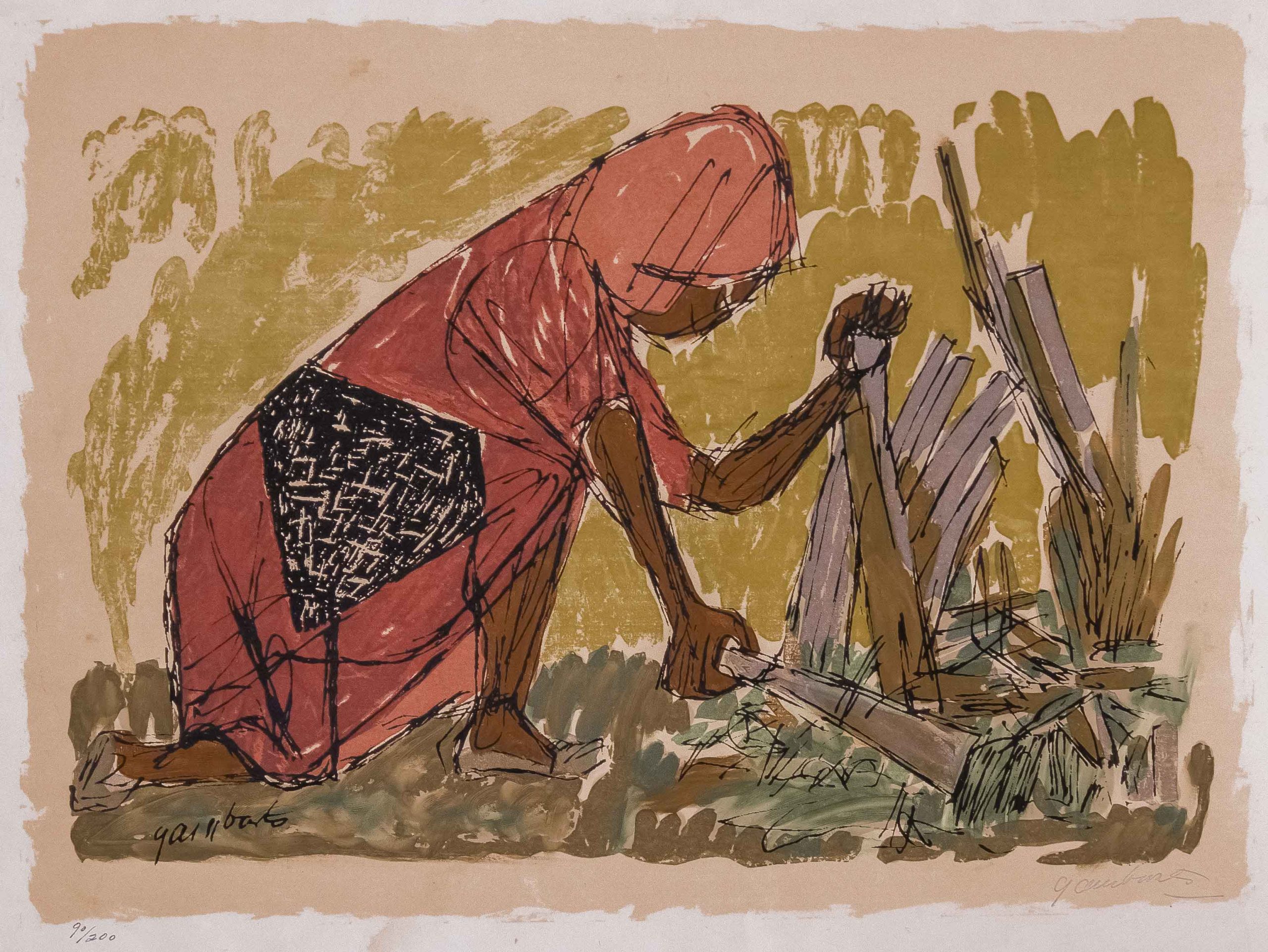
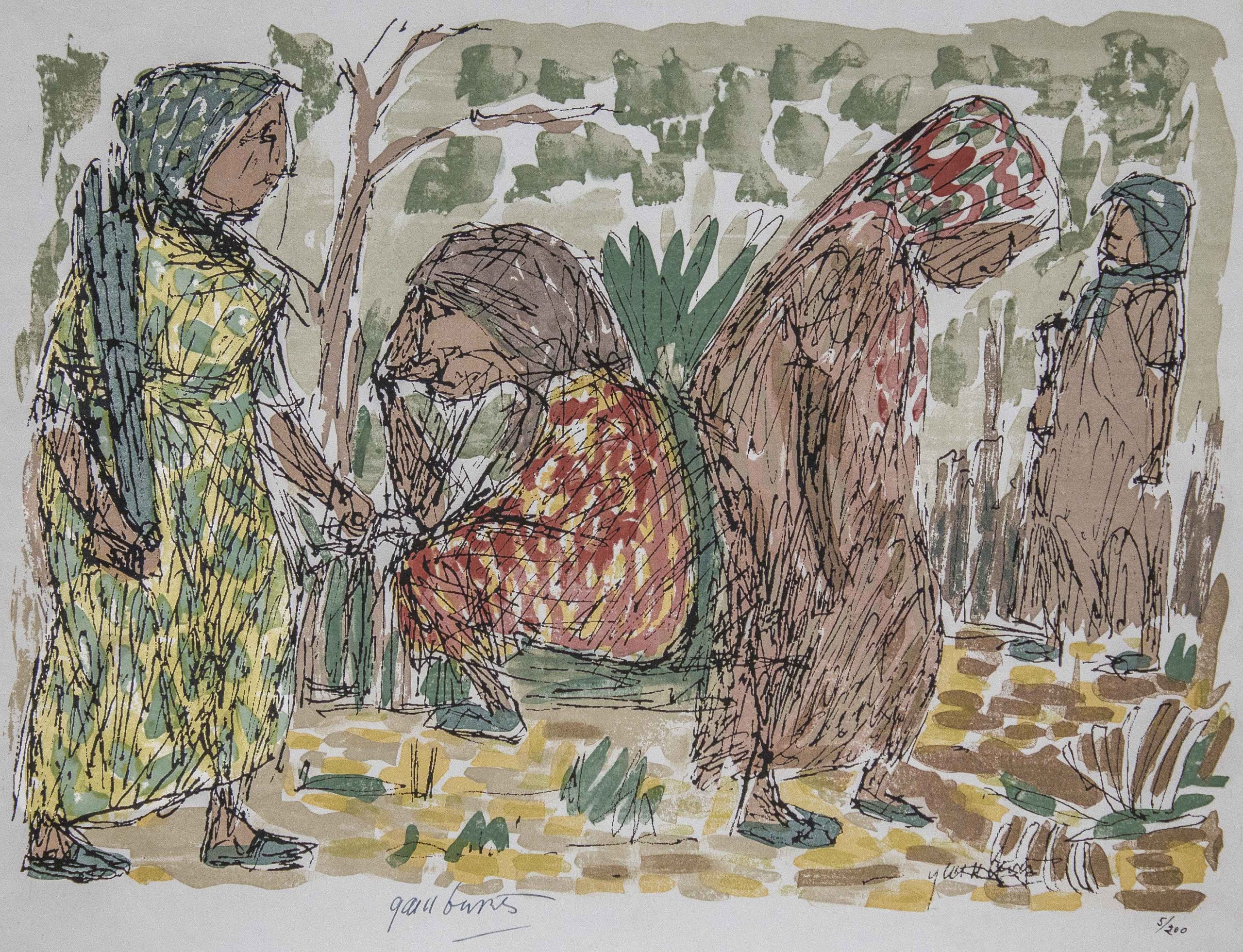
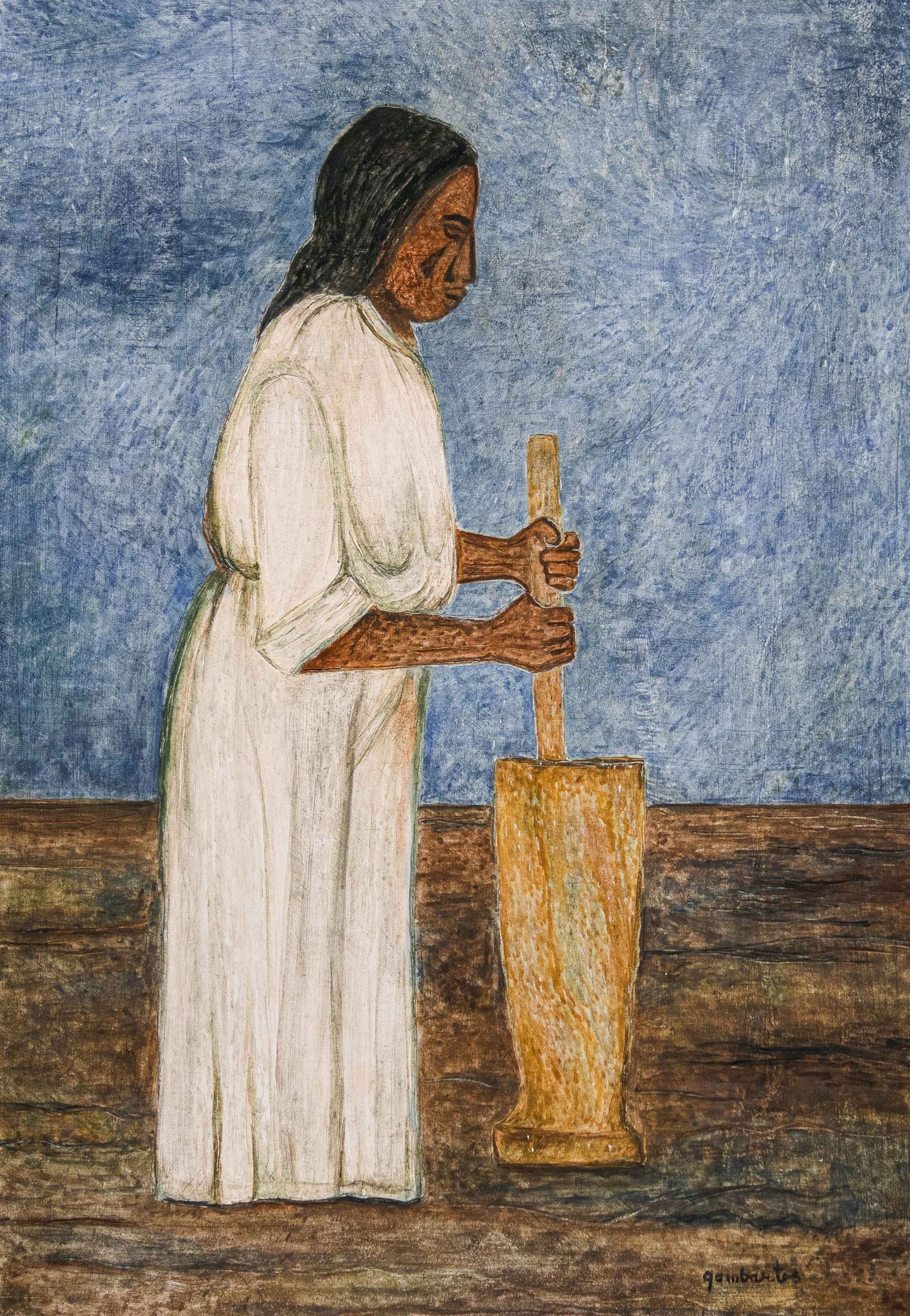
Nuestro camino comienza, como no, con Gambartes; semilla del proyecto. A partir de sus tres obras –Serie Las yuyeras II (1960), Paisaje con figuras (1960) y La morteada (1952)-, se despliegan diversas propuestas participativas que no solo reflejan los procesos del público, sino que también buscan prolongarlos.
De ese intercambio emergen las instalaciones y dispositivos que ahora conforman “Habitar las raíces. Prácticas artísticas en territorio”.
La exposición Habitar las raíces se articula en tres espacios: el terrenal, el de tránsito y el sensorial. En todos ellos, el cuerpo es convocado a participar activamente.
La materia, los sentidos y las emociones constituyen los verdaderos contenidos de la muestra, orientados a generar experiencias singulares desde la memoria personal. Las instalaciones se plantean así como herramientas para transmitir otros saberes y activar nuevos.
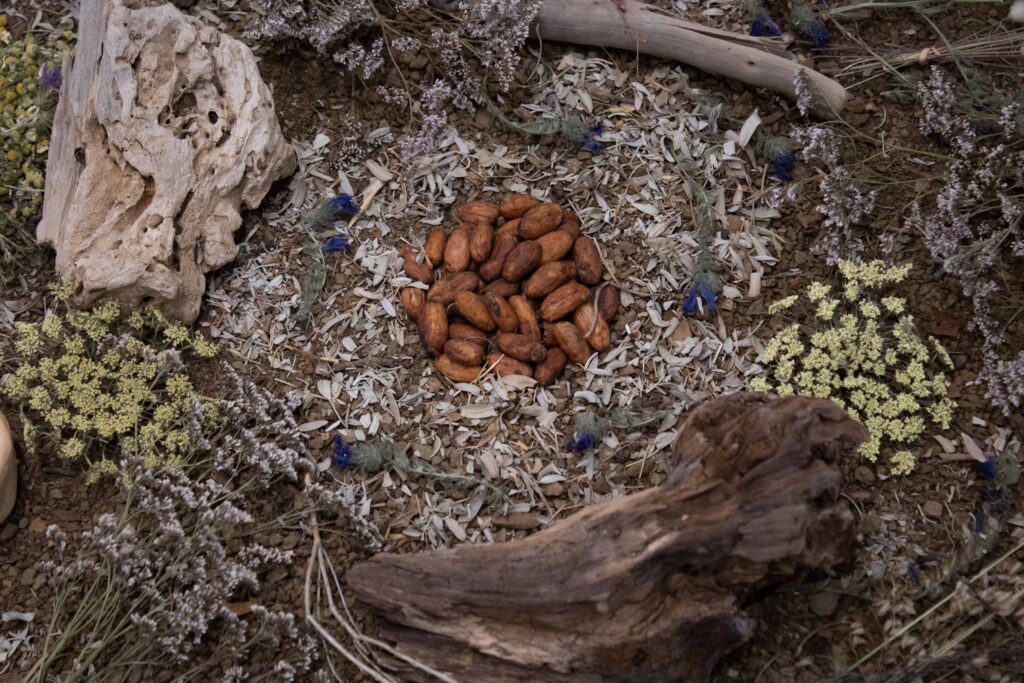
Terrenal
Tránsito
Sensorial
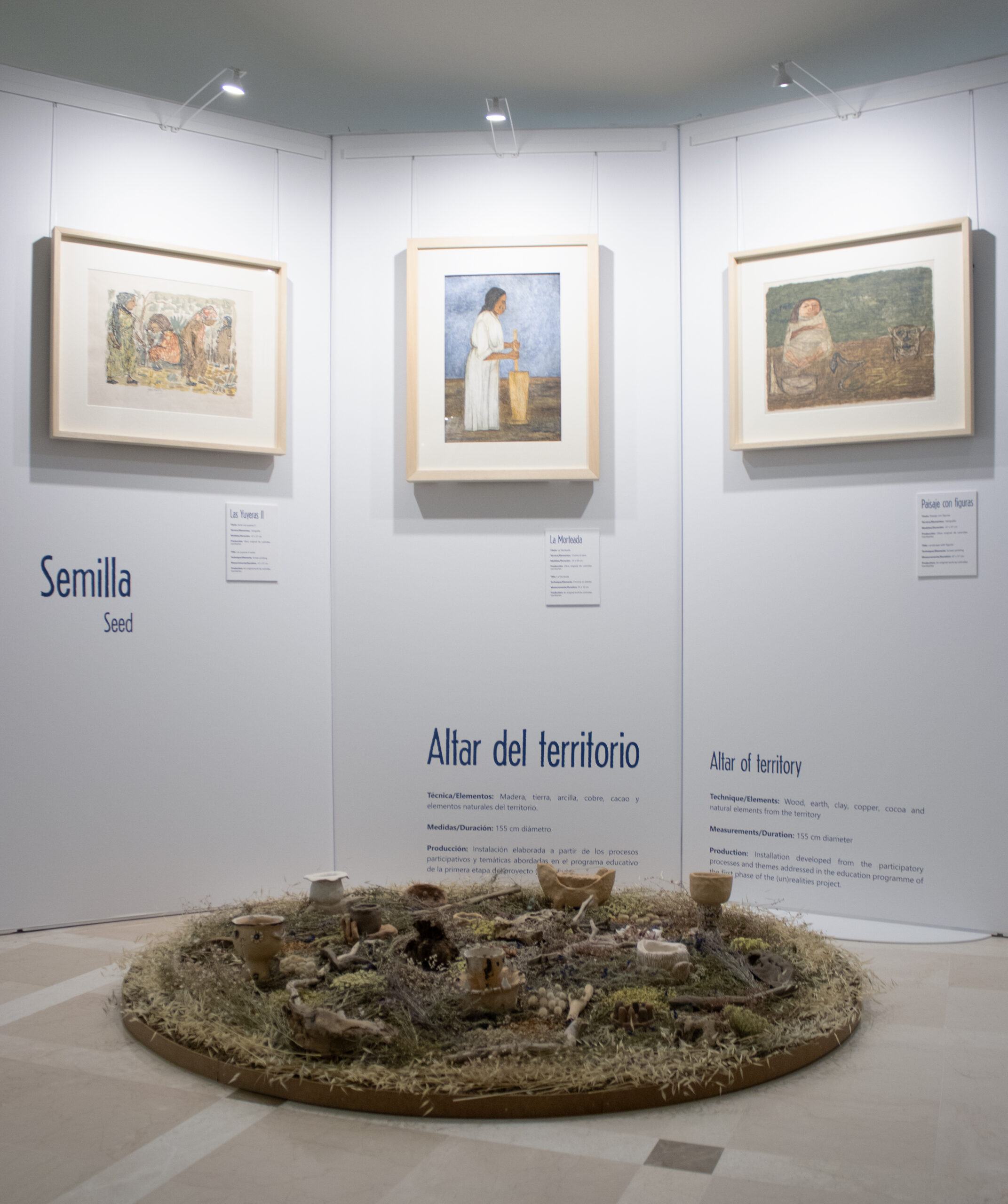
Altar del territorio
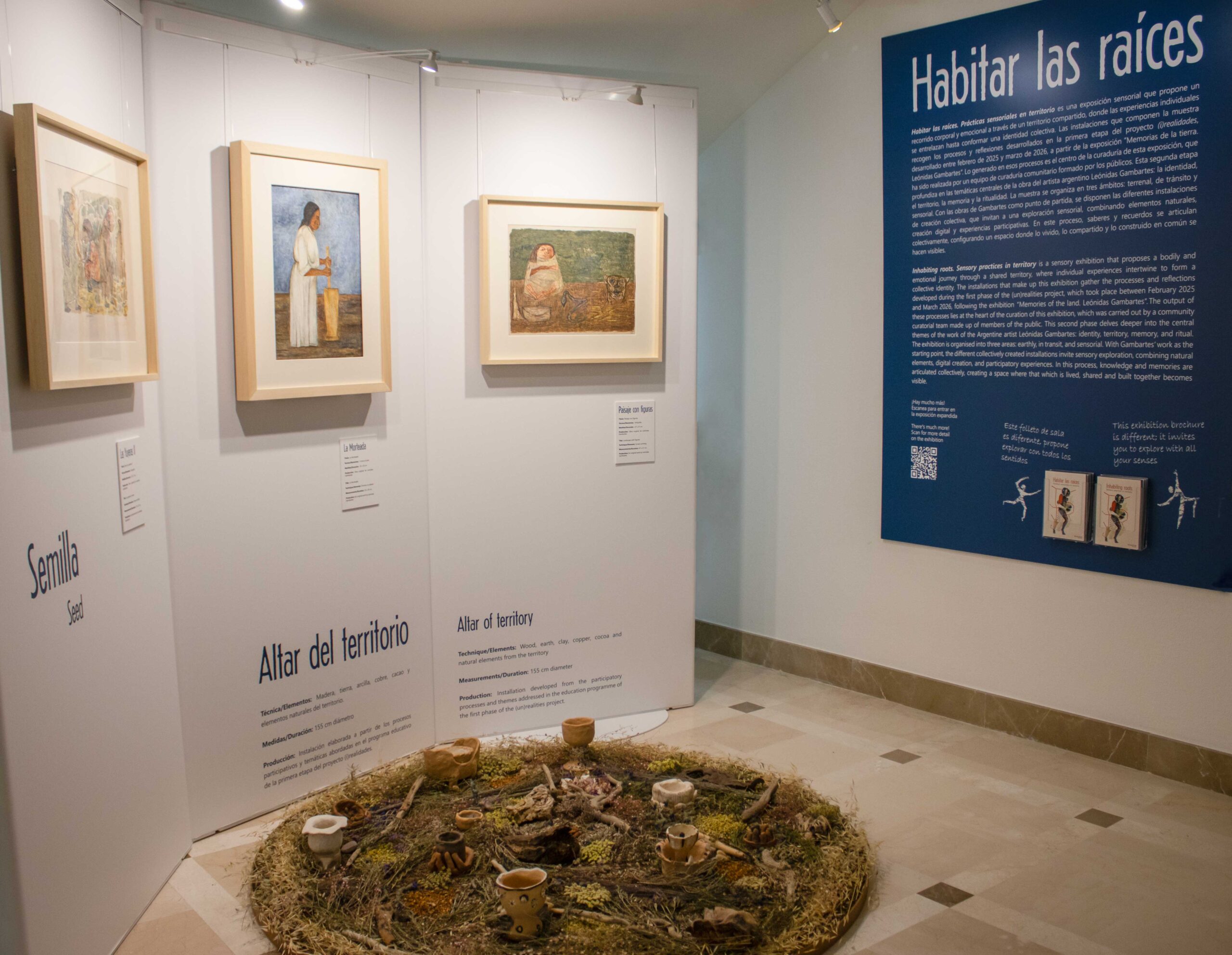
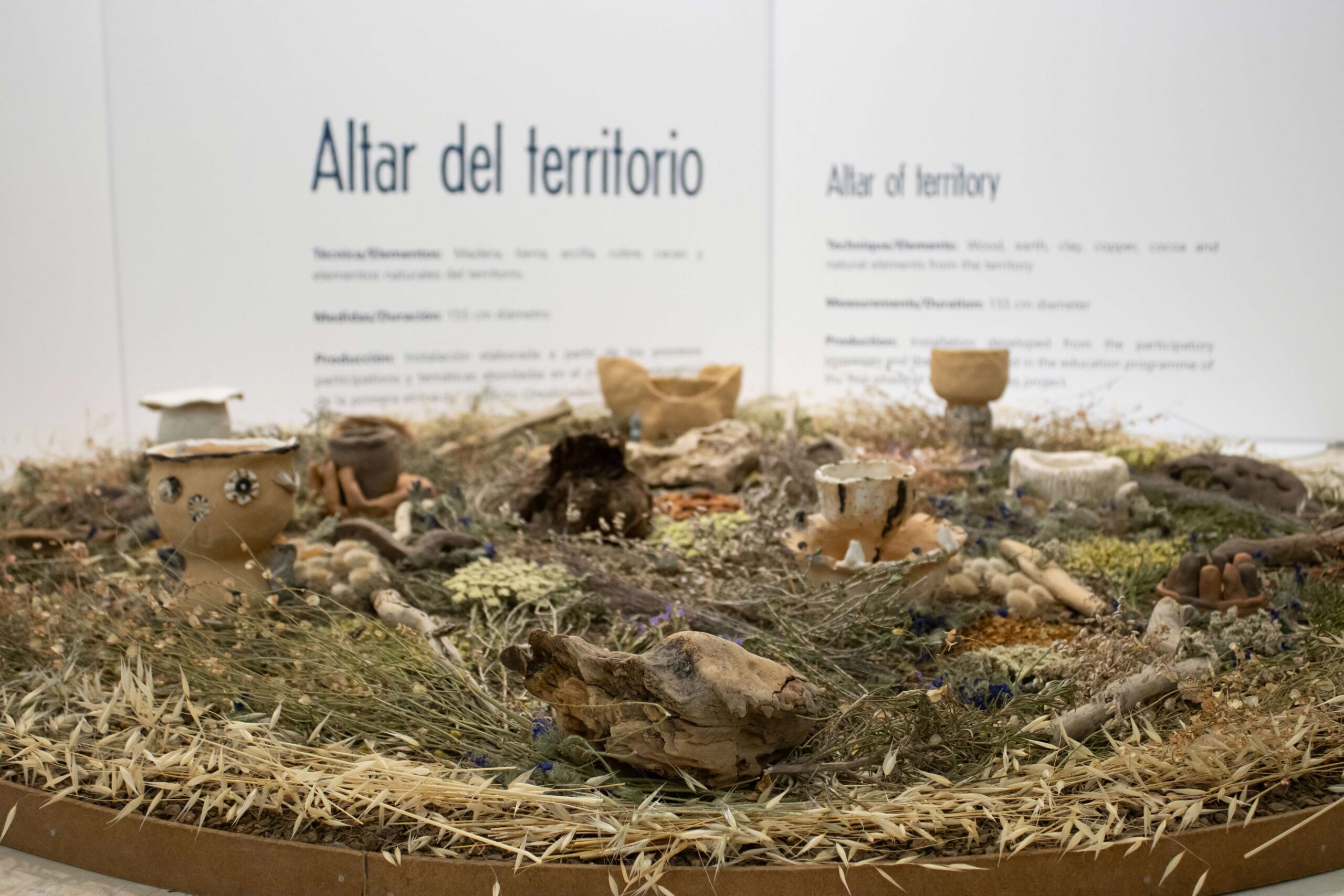
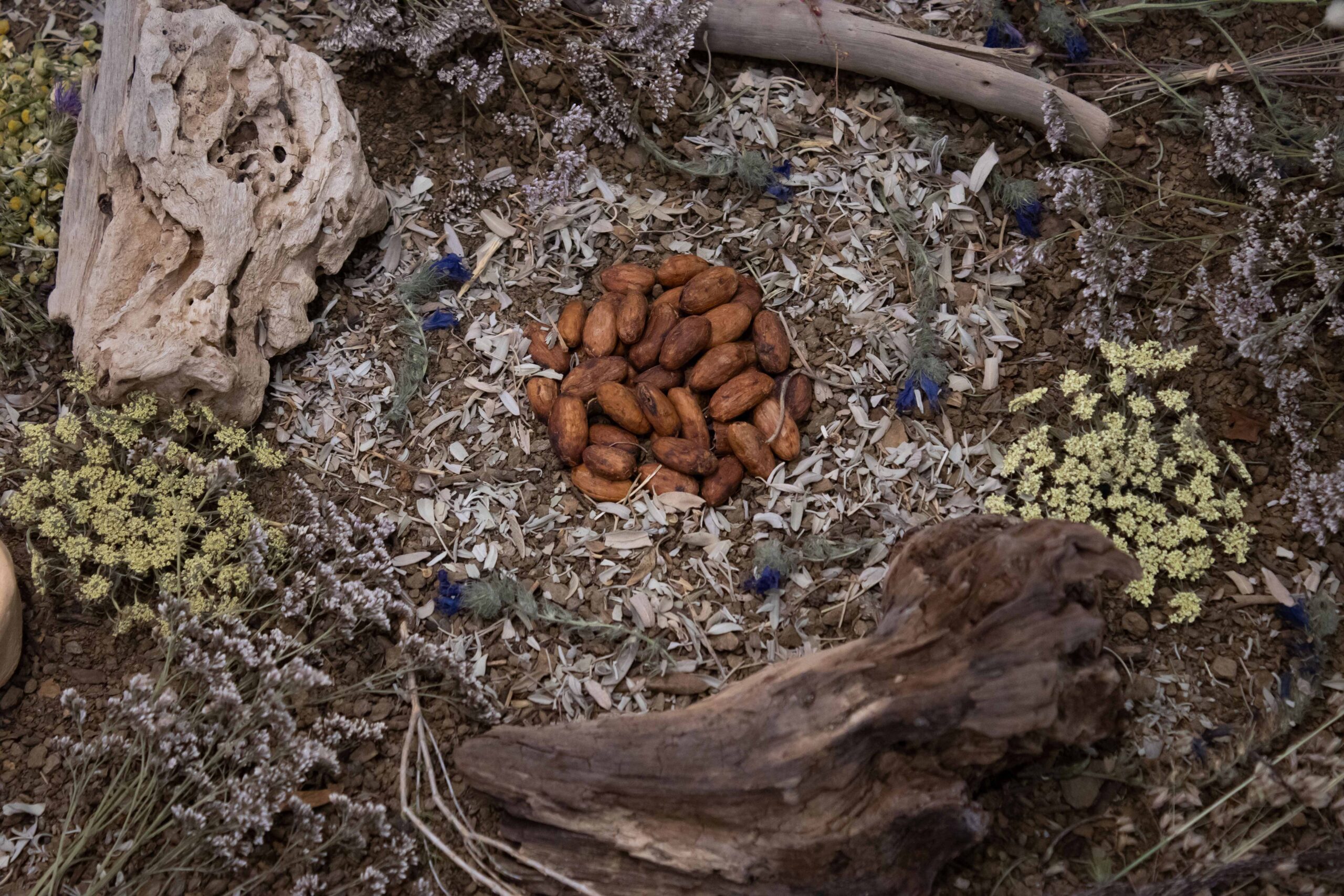
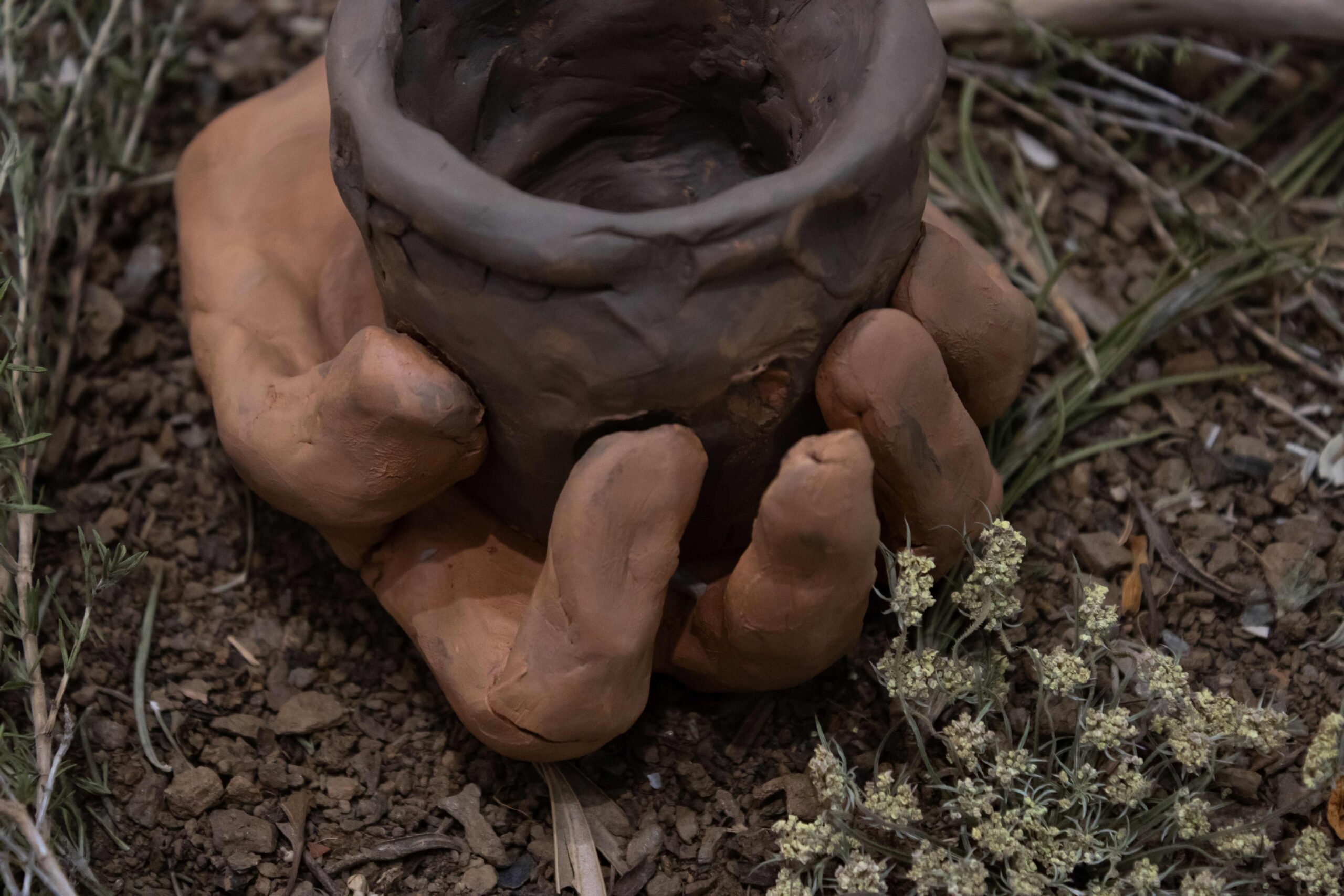
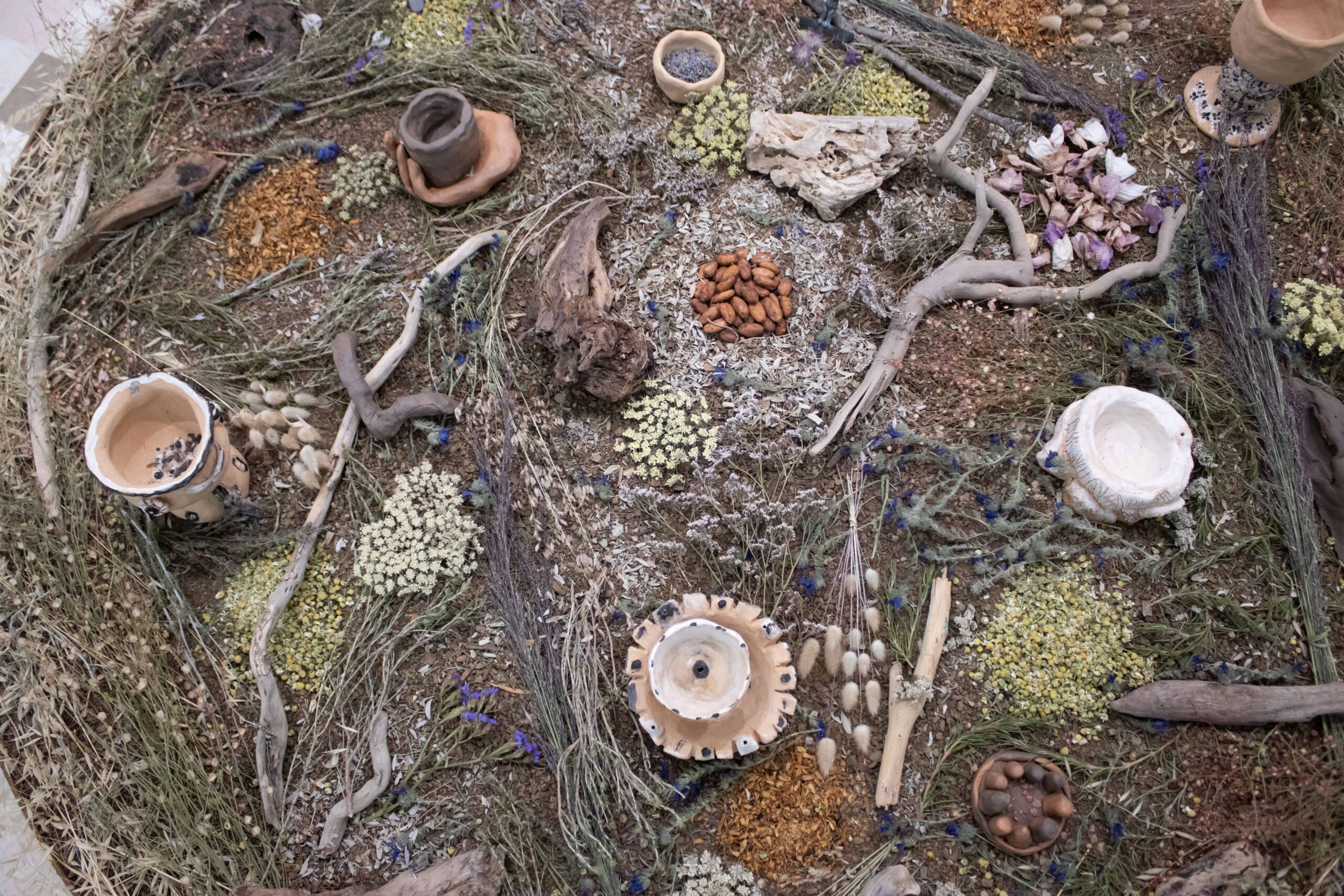
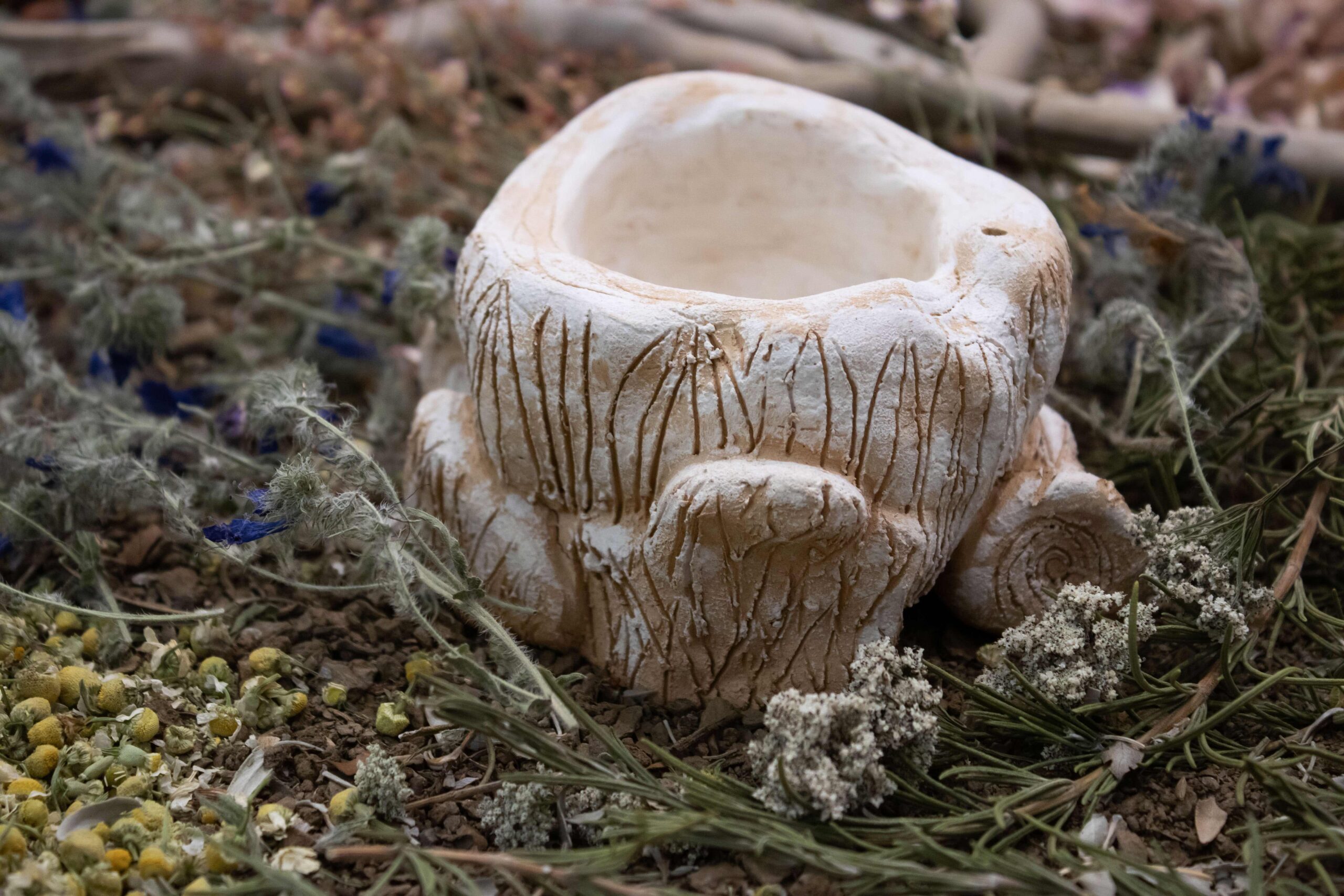
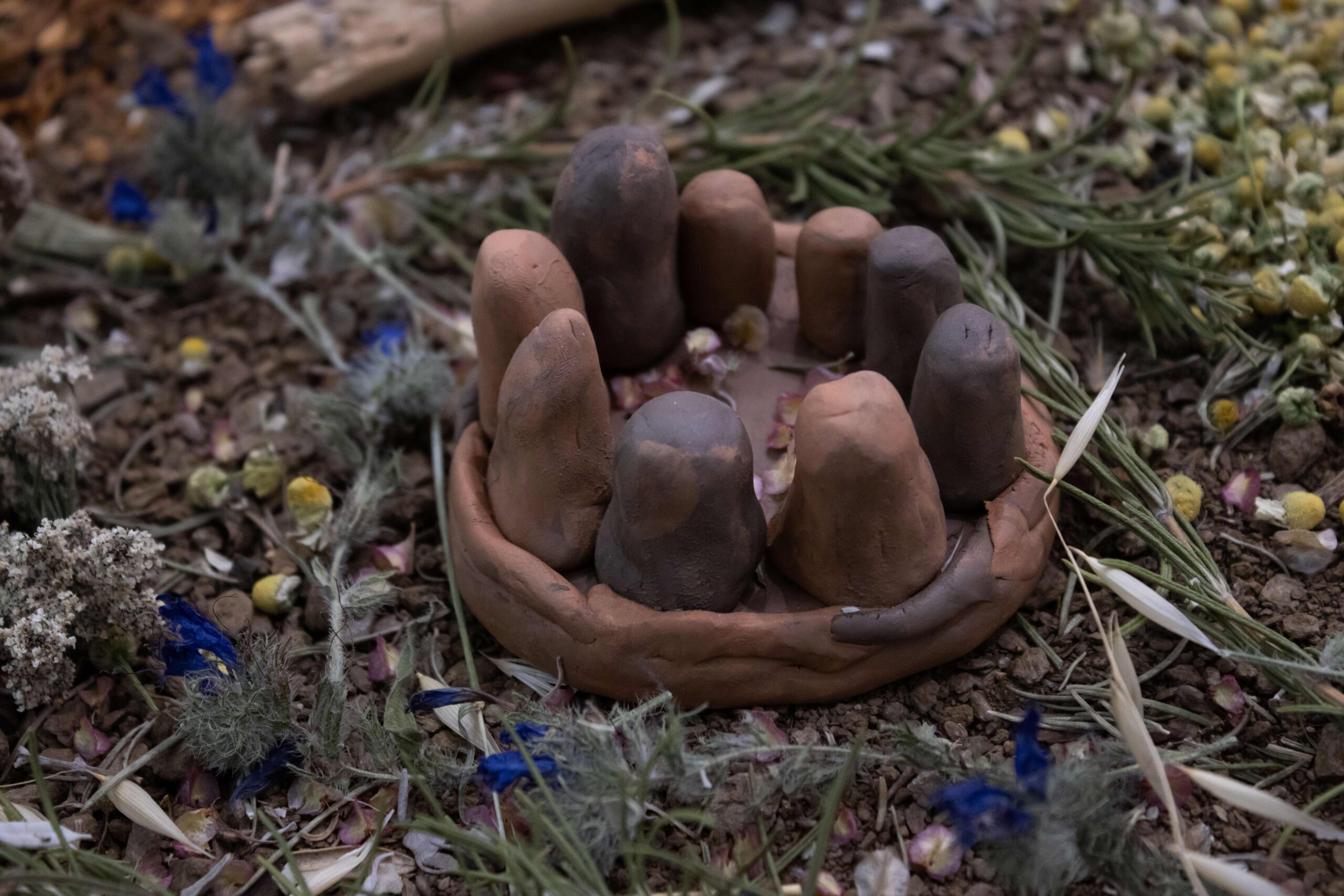
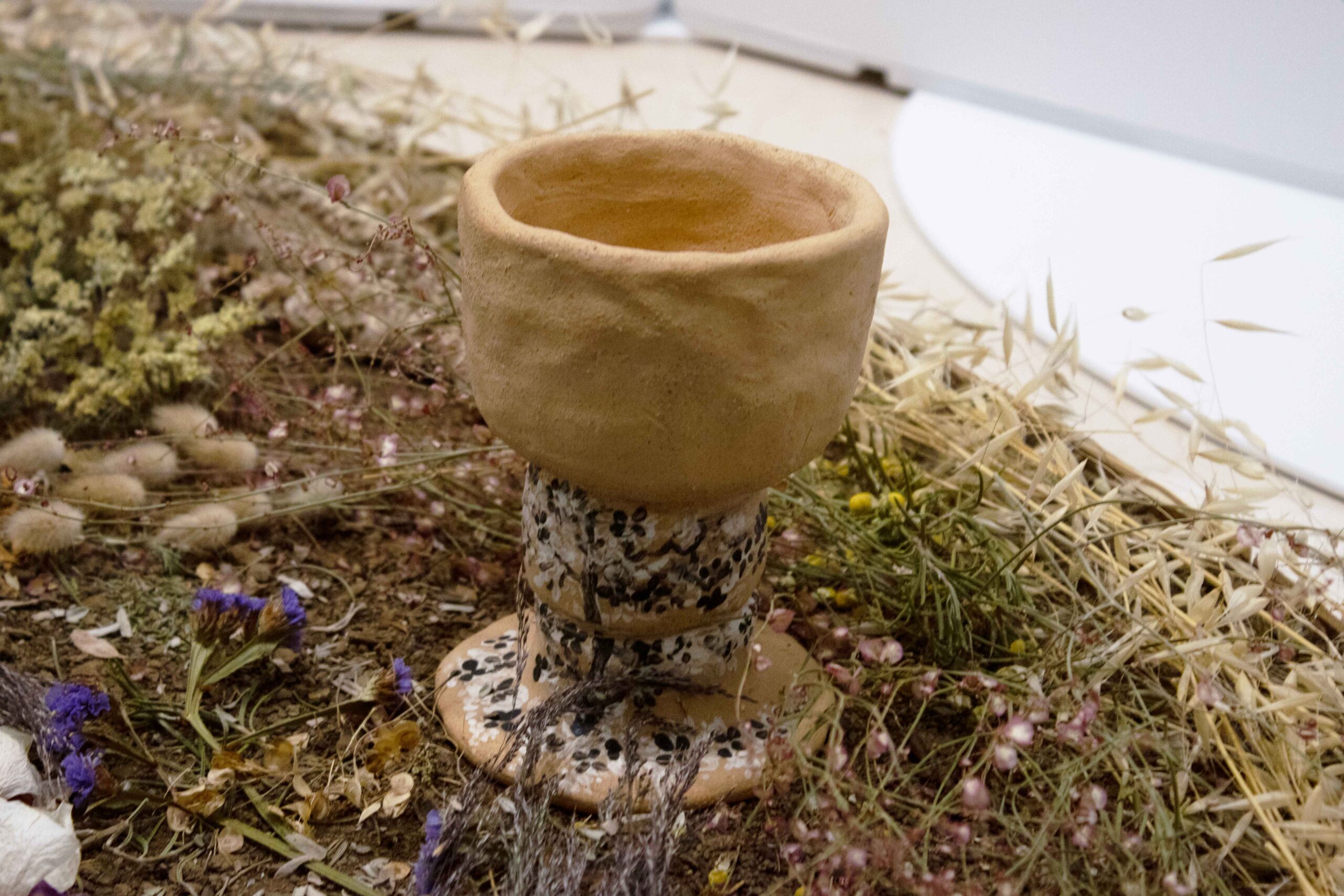
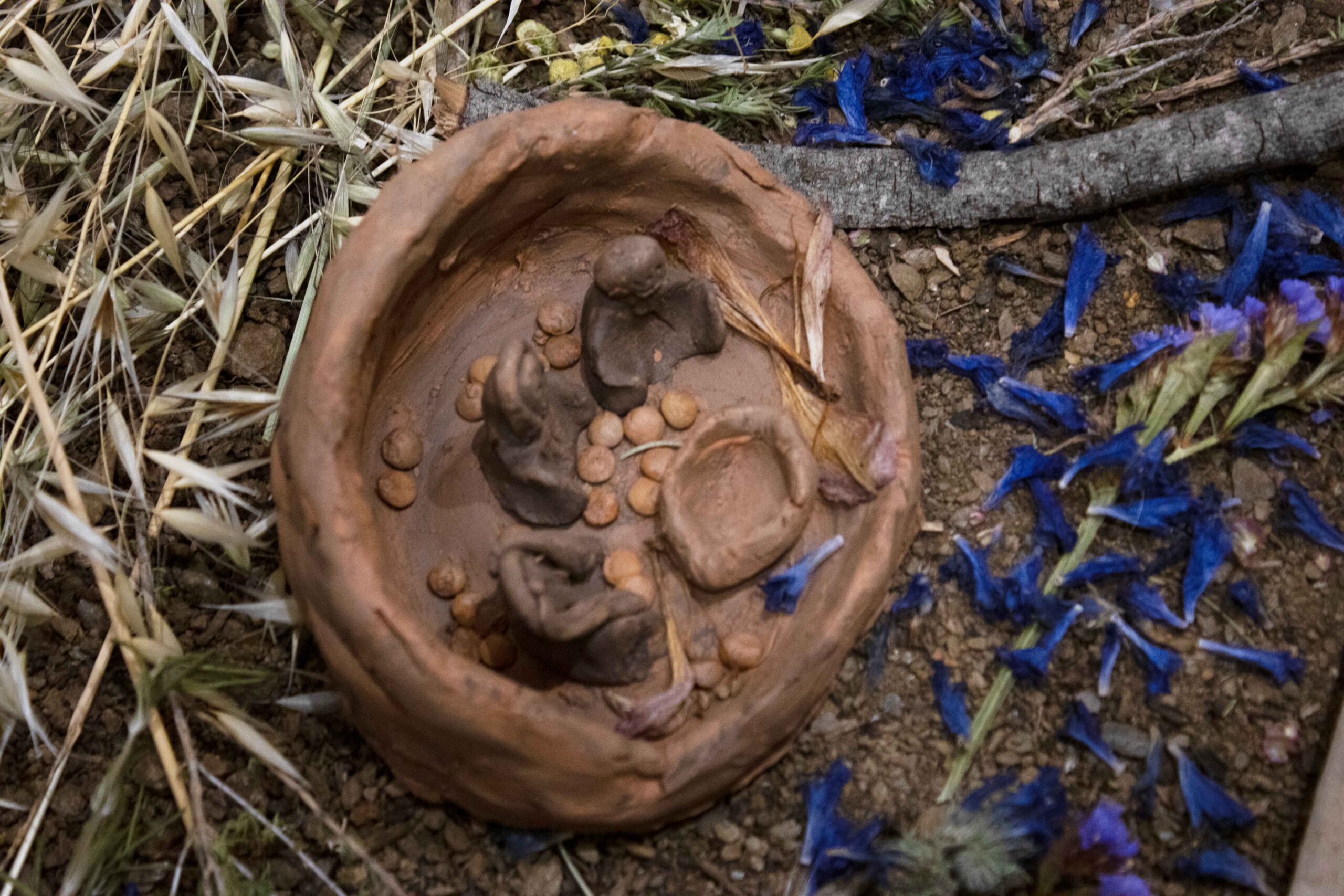
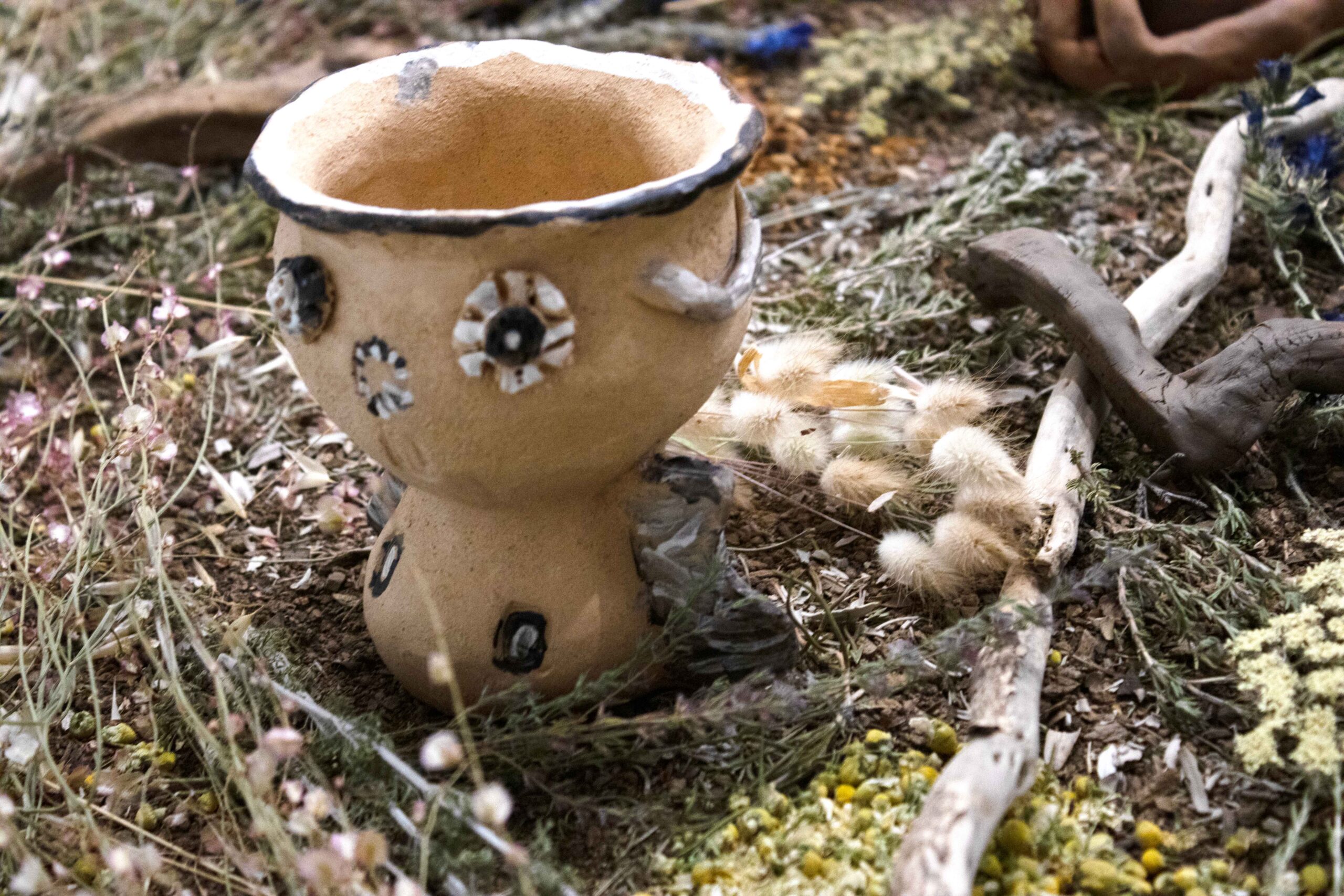
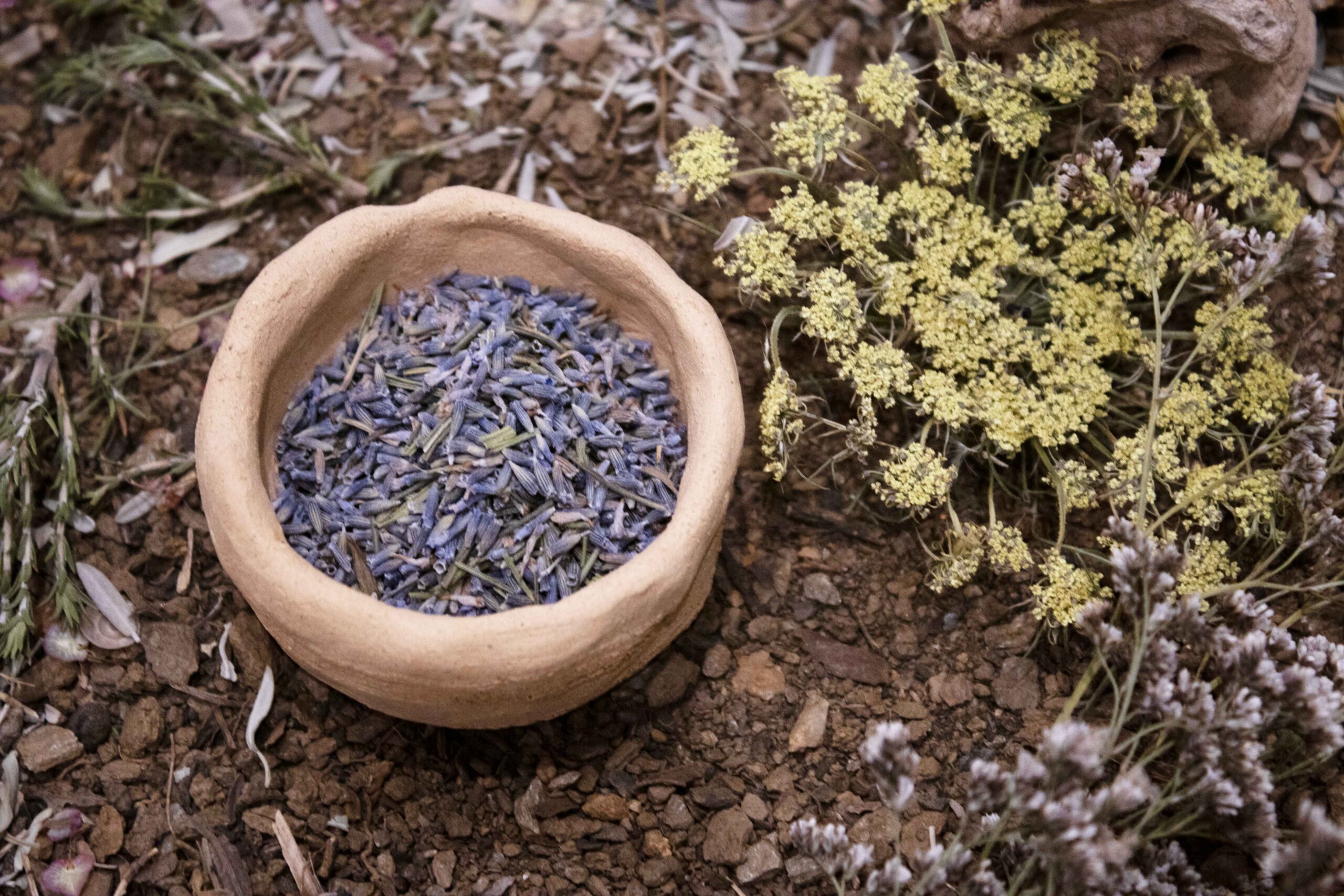
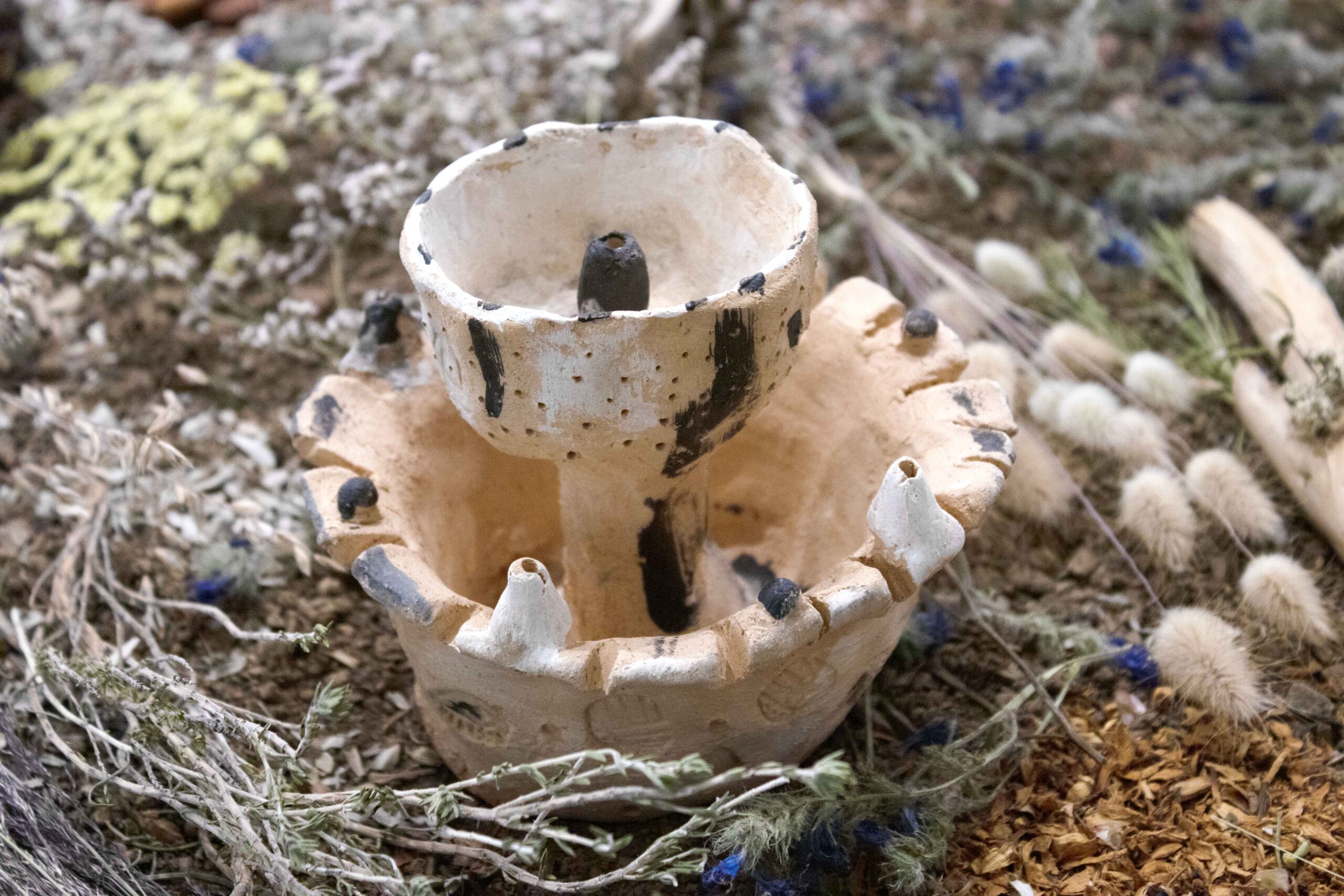
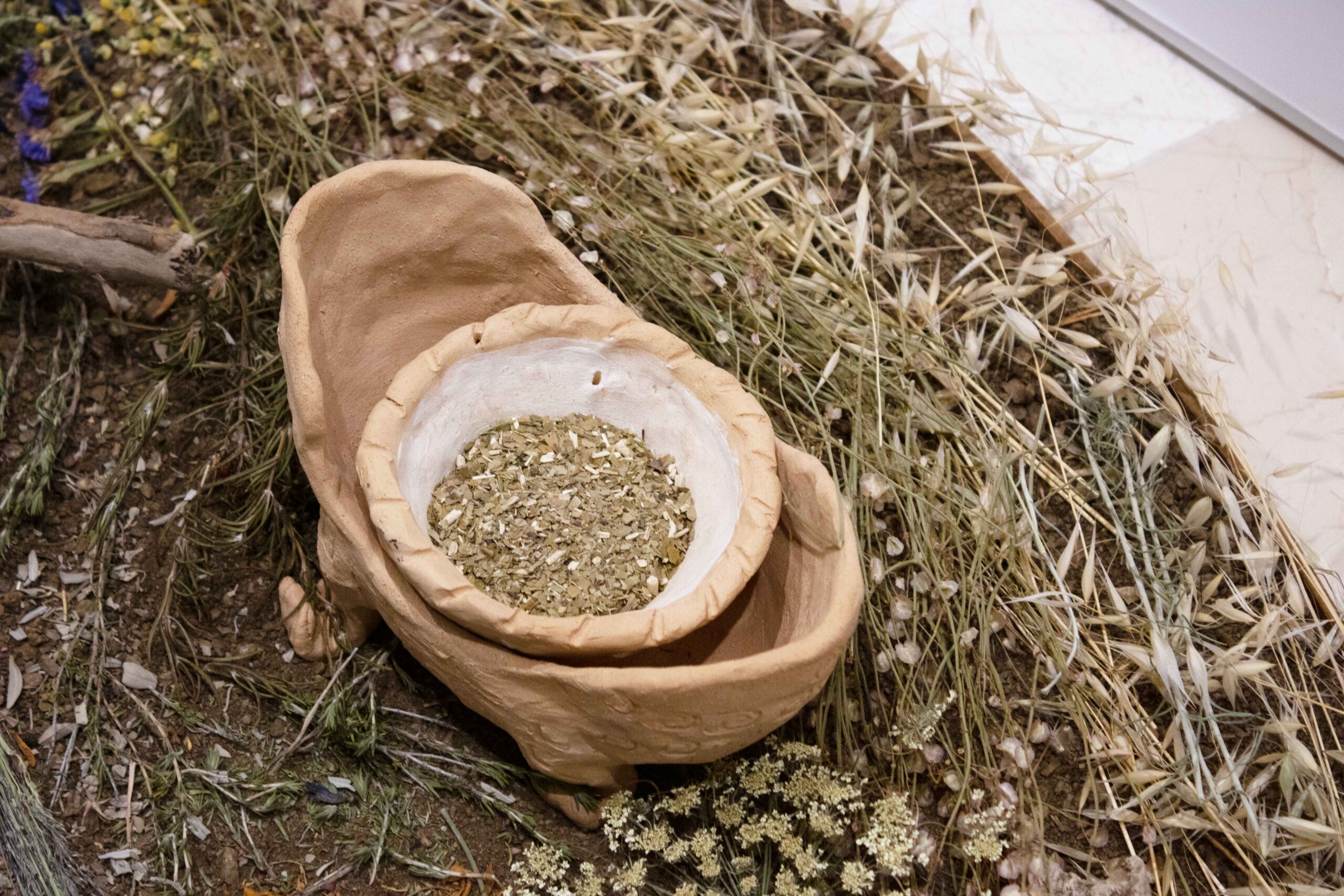
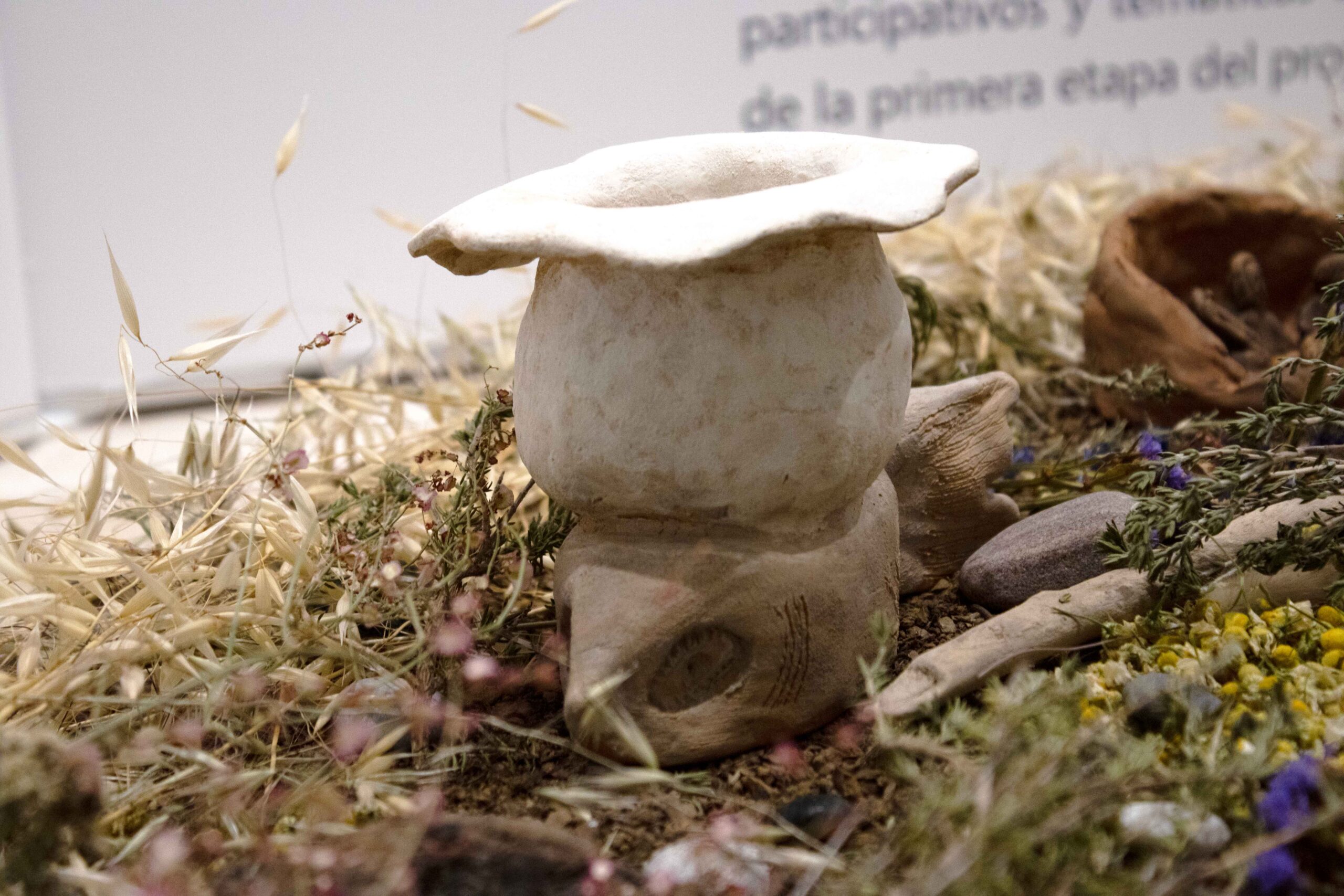
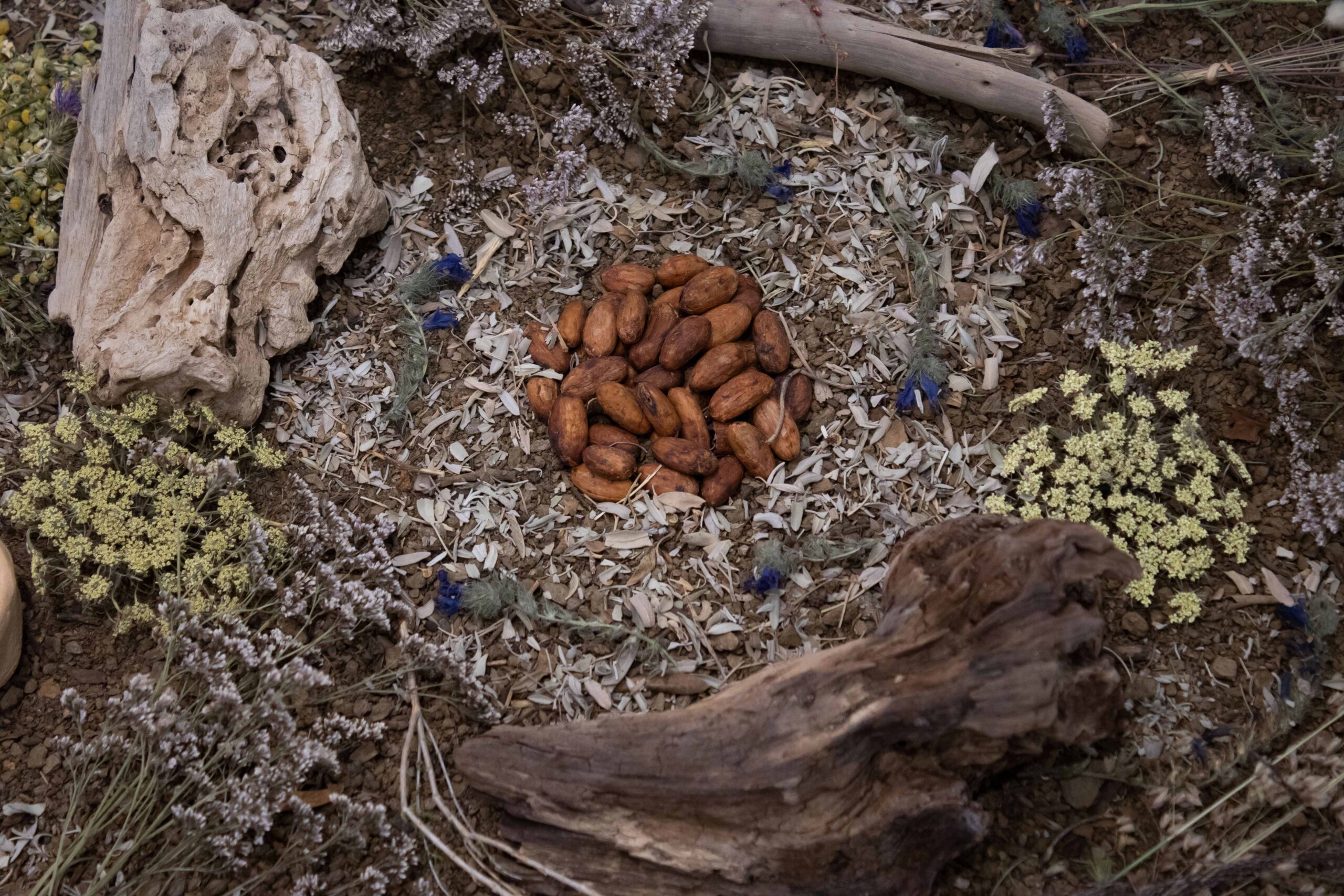
A los pies de estas piezas se sitúa un altar construido con elementos del territorio, seres vivos y no vivos, que han estado presentes en los procesos creativos de los públicos, así como algunas piezas que son resultado de estos.
El círculo, como símbolo de conocimiento compartido en la ancestralidad indígena, alude aquí a las dinámicas colectivas de pensamiento que atravesaron tanto las actividades del proyecto como la exposición inicial, concebida también como catalizadora de memorias.
Las plantas medicinales, también presentes, evocan saberes ancestrales que forman parte de nuestra cultura, aunque no siempre permanezcan en la memoria consciente. Su presencia es una llamada a recuperarlos, valorarlos y cuidarlos en lo cotidiano. La ritualidad se manifiesta así de forma sutil, integrada en los gestos diarios, en sintonía con la obra de Gambartes. Esta instalación invita a observar con atención, a tomar conciencia de sus elementos y a dejarse llevar por la memoria individual.
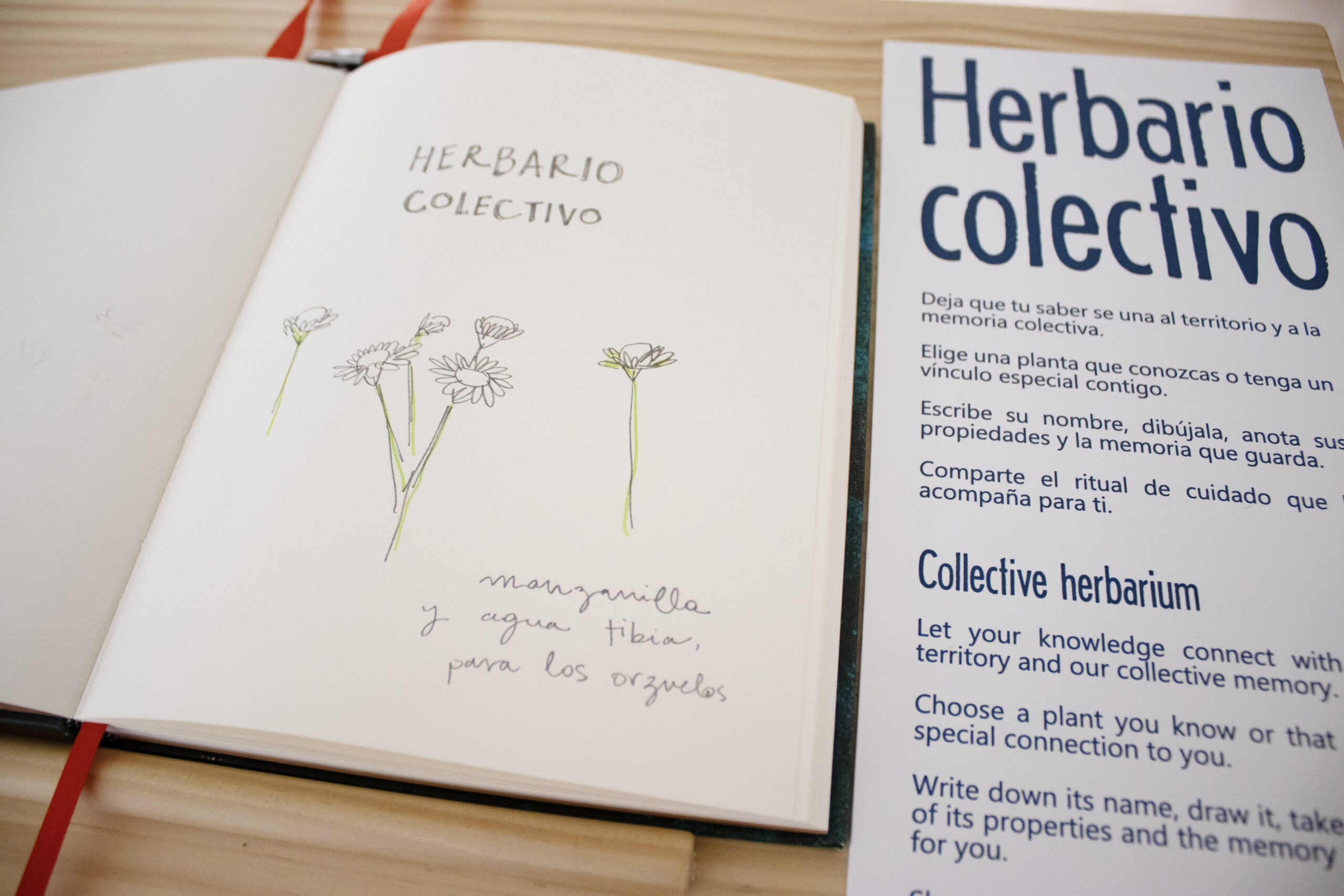
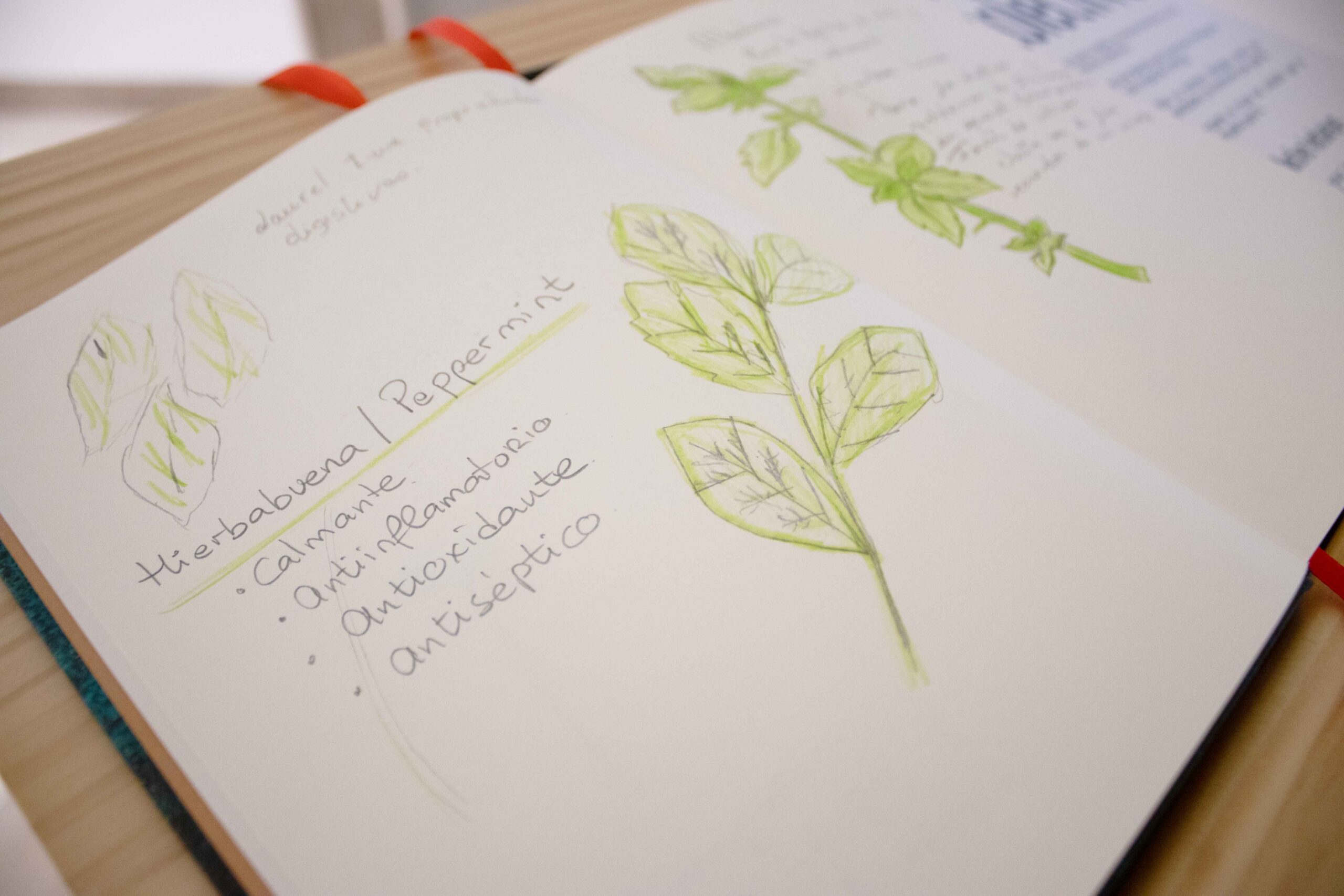
Junto a ella, un herbario colectivo en construcción propone registrar y compartir conocimientos sobre plantas medicinales, vinculándolos a memorias y rituales de cuidado.
De lo invisible a lo visible
En este primer espacio, un vídeo documental de 15 minutos recoge los procesos de la primera fase del proyecto. Su función es contextualizar y, al mismo tiempo, revelar los vínculos entre las acciones desarrolladas y las propuestas expositivas. Estos vínculos, iniciados entonces, continúan expandiéndose con la participación de nuevos públicos.
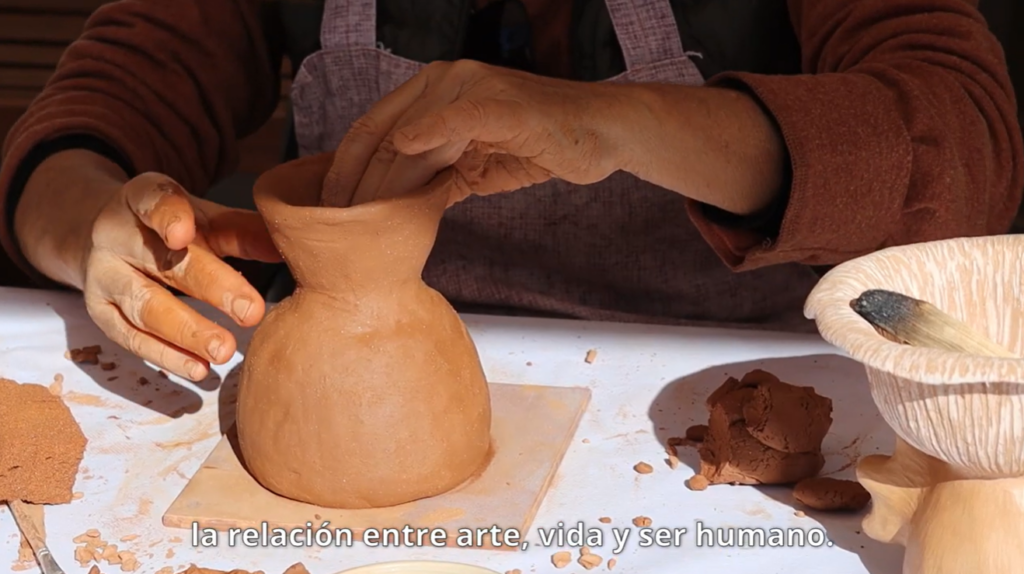
De lo invisible a lo visible
En este primer espacio, un vídeo documental de menos de 20 minutos recoge los procesos de la primera fase del proyecto. Su función es contextualizar y, al mismo tiempo, revelar los vínculos entre las acciones desarrolladas y las propuestas expositivas. Estos vínculos, iniciados entonces, continúan expandiéndose con la participación de nuevos públicos.
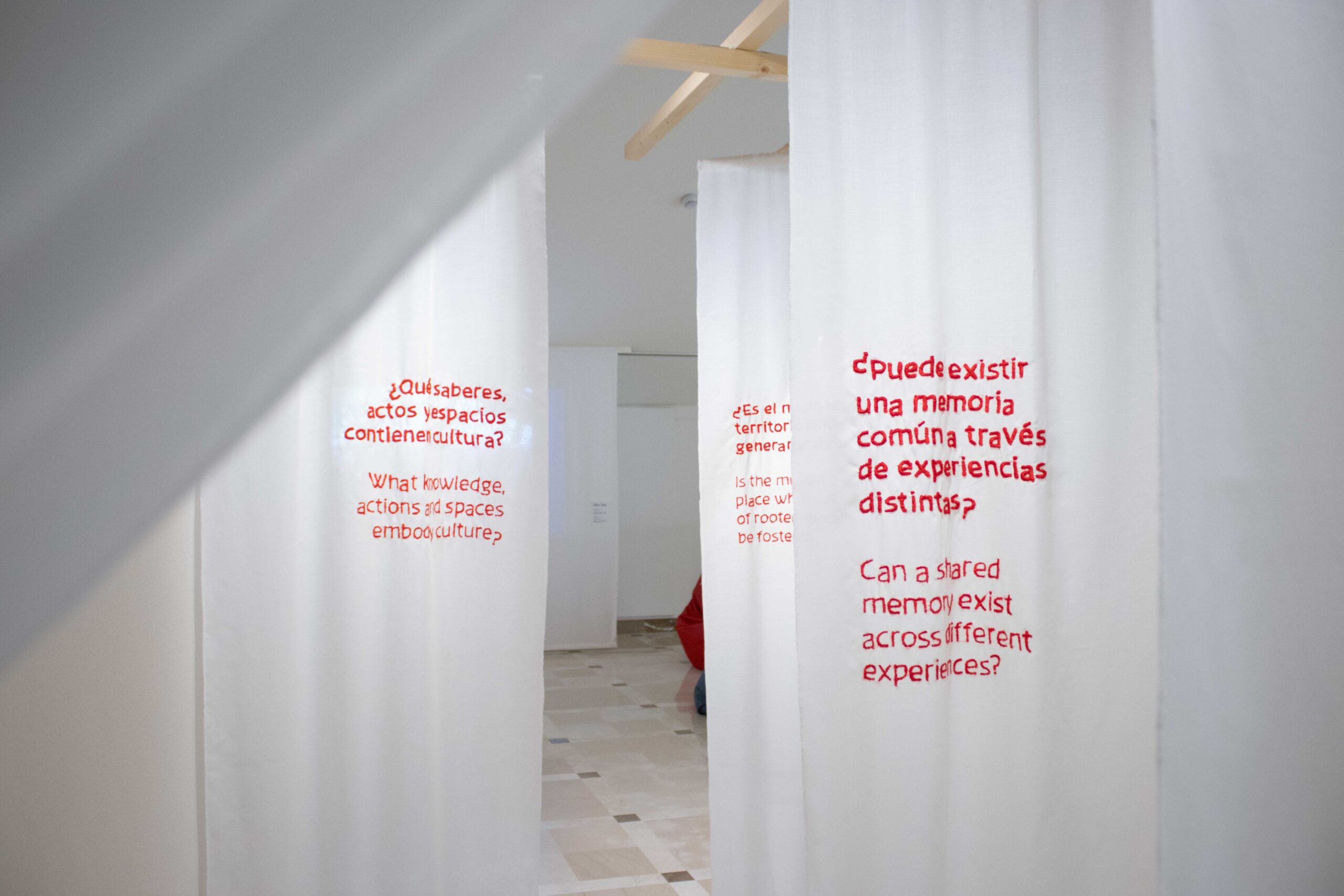
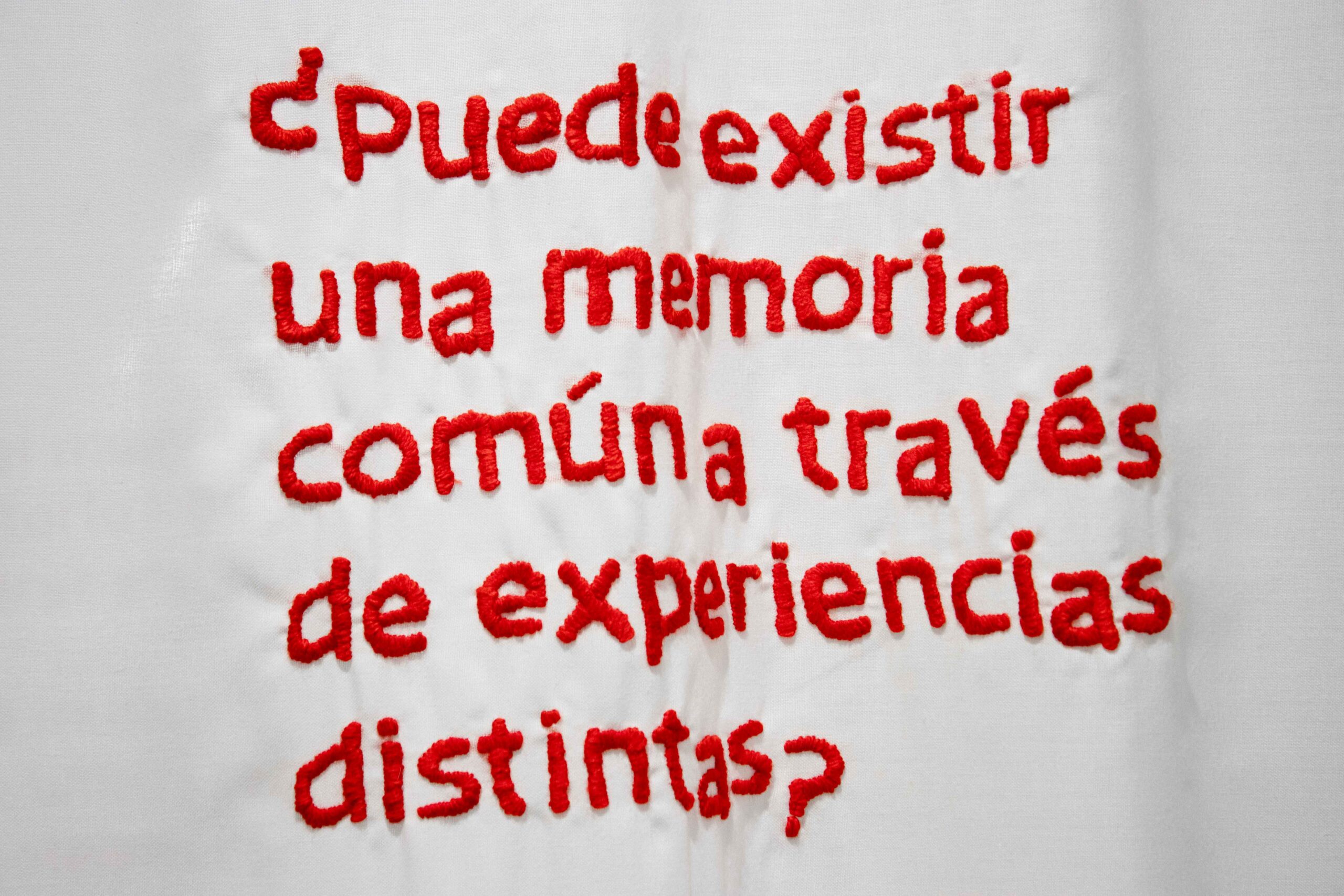
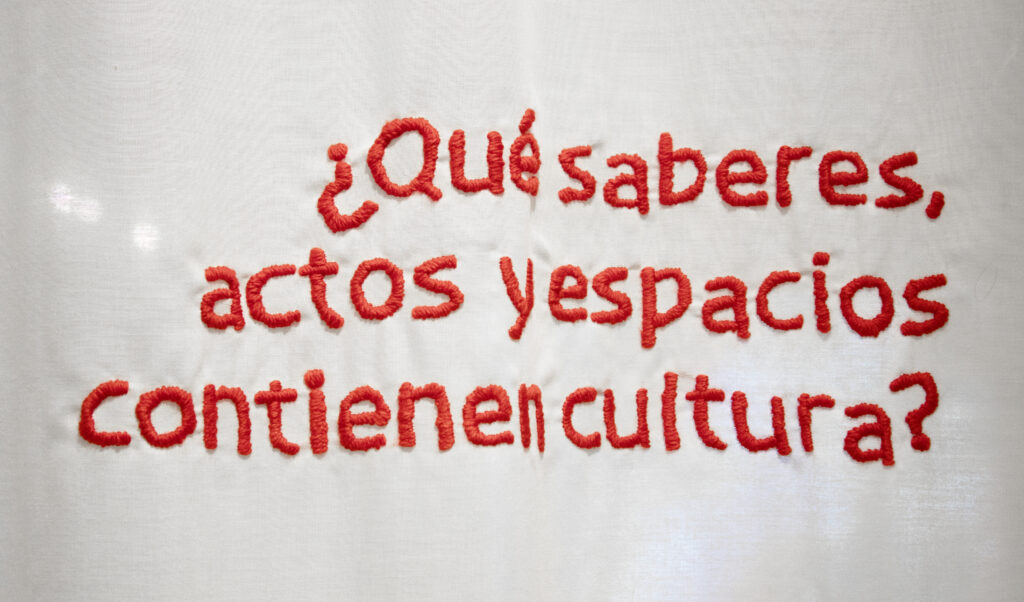
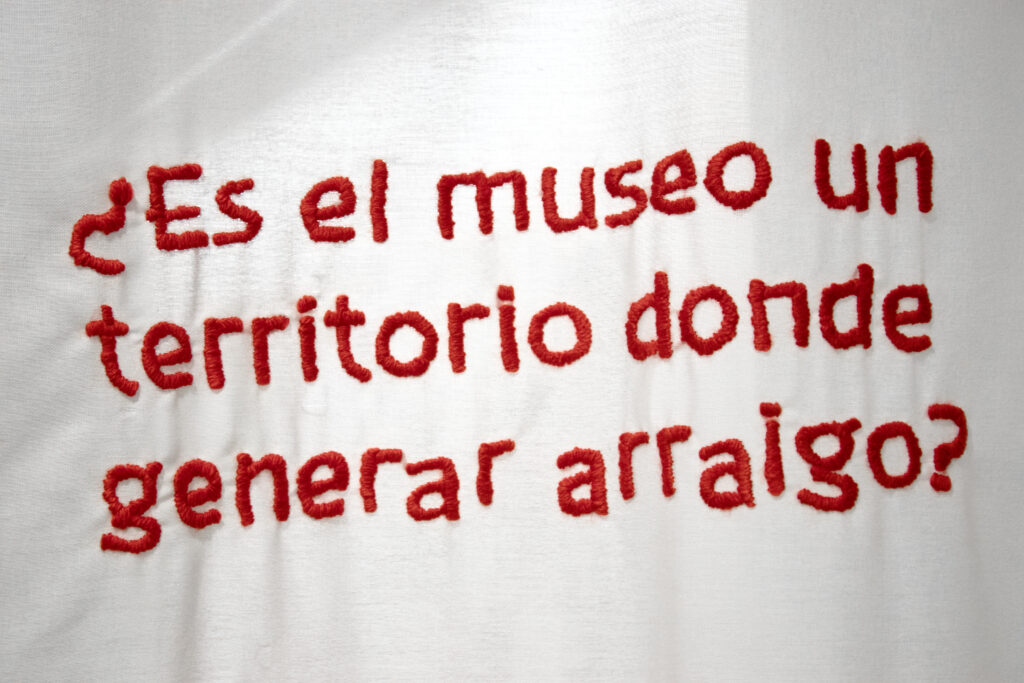
Esta exposición, lejos de ofrecer respuestas cerradas, propone preguntas y transmite experiencias que han sido fundamentales en su configuración.
En este punto, para avanzar, es necesario atravesar un umbral: un espacio liminal que el cuerpo debe atravesar al mismo tiempo que es atravesado por las cuestiones que se lanzan. La instalación Atravesar(se) es una invitación a la reflexión y a la transformación desde un rol activo.
Tras esto accedemos al tercer y último espacio, que hemos llamado sensorial, aunque todos comparten, en distinta medida, esta cualidad. En él se presentan propuestas que materializan conceptos surgidos colectivamente durante el proceso participativo.
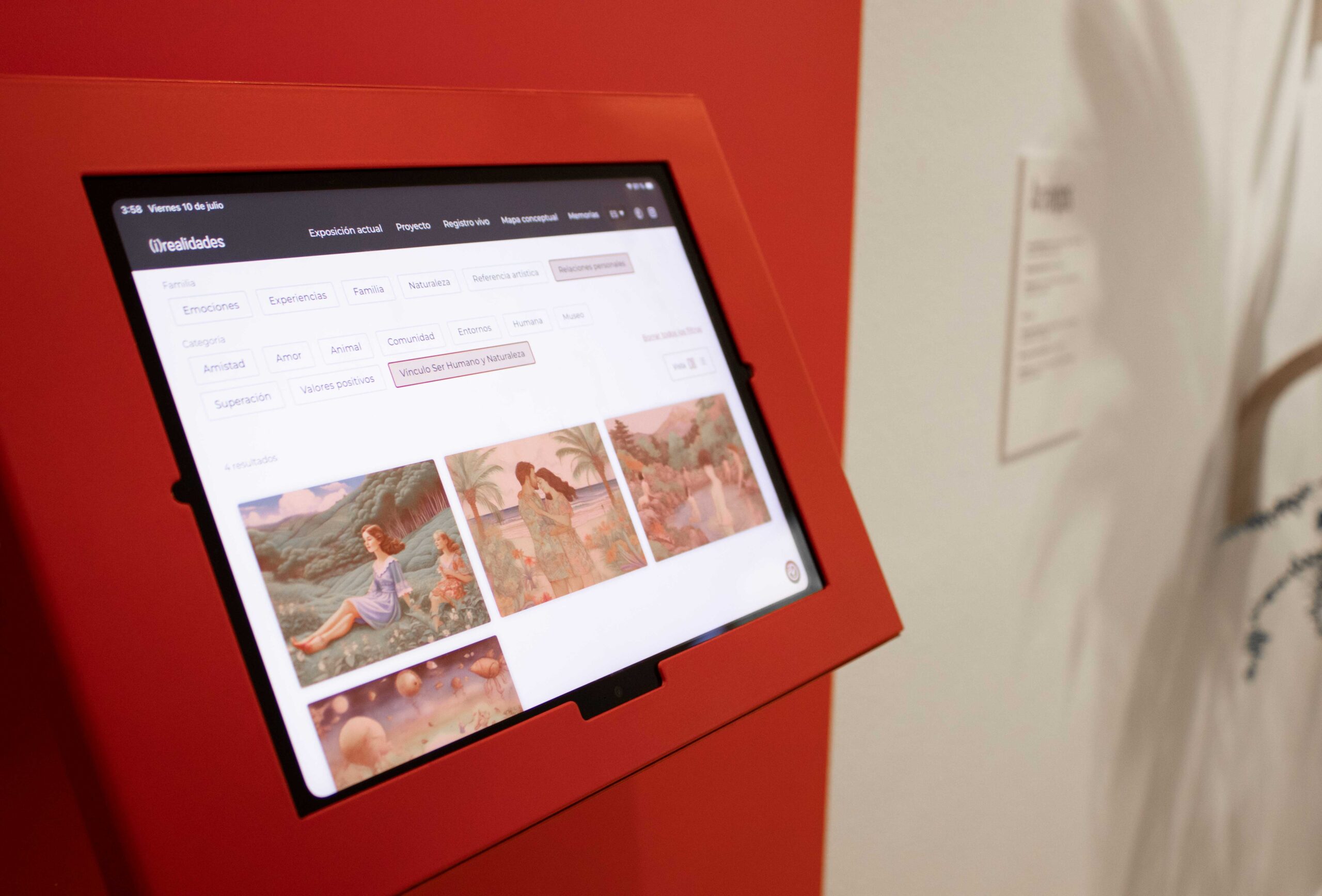
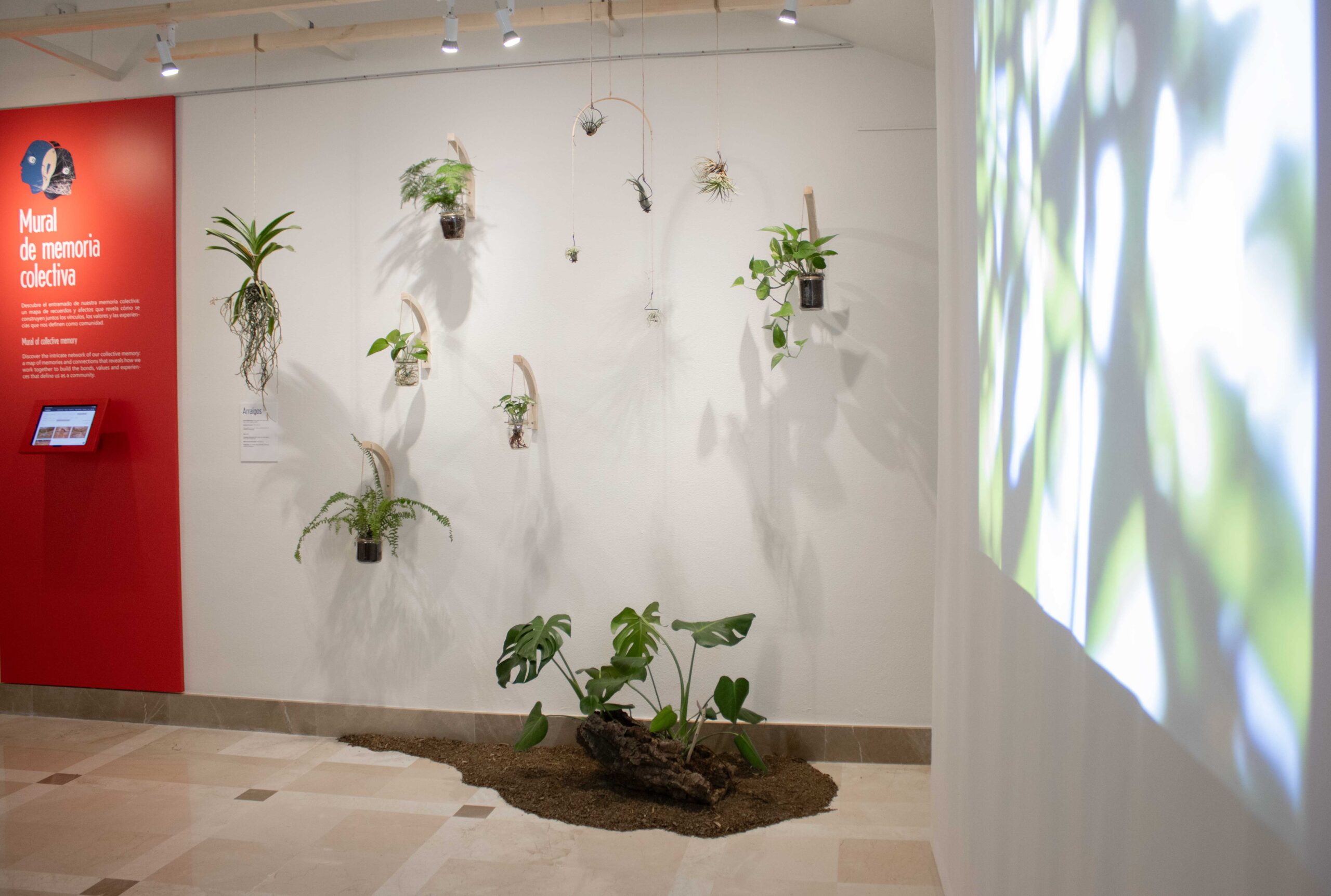
Por otro lado, el Mural de memoria colectiva recoge recuerdos, emociones y vivencias compartidas, configurando un mapa común a partir de lo individual. Las imágenes que lo integran nacen de un proceso creativo que combina inteligencia artificial y memoria personal.
Más allá del resultado visual, el énfasis se sitúa en la experiencia: en la posibilidad de crear dentro del contexto expositivo y de explorar herramientas tecnológicas con fines sociales y creativos.
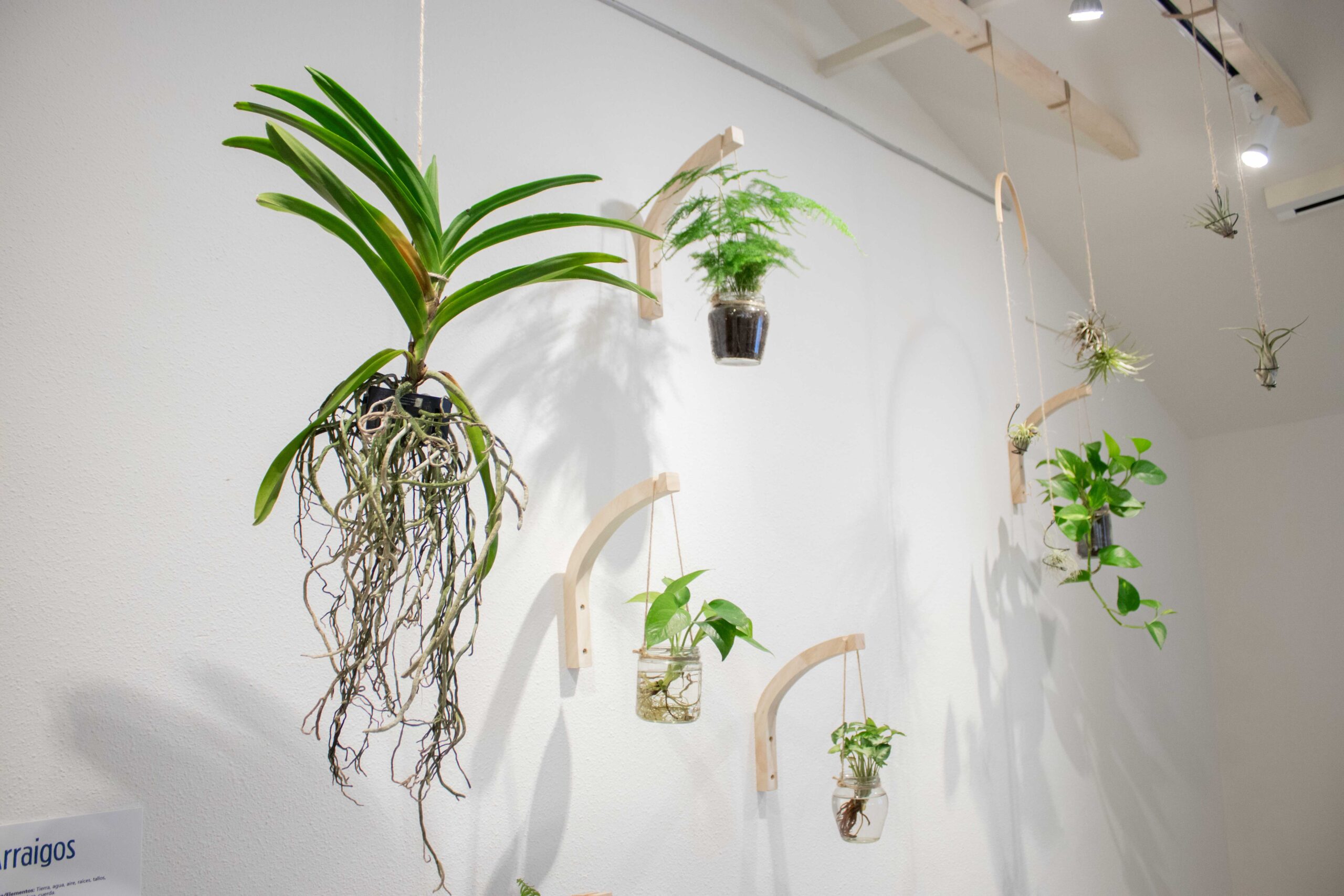
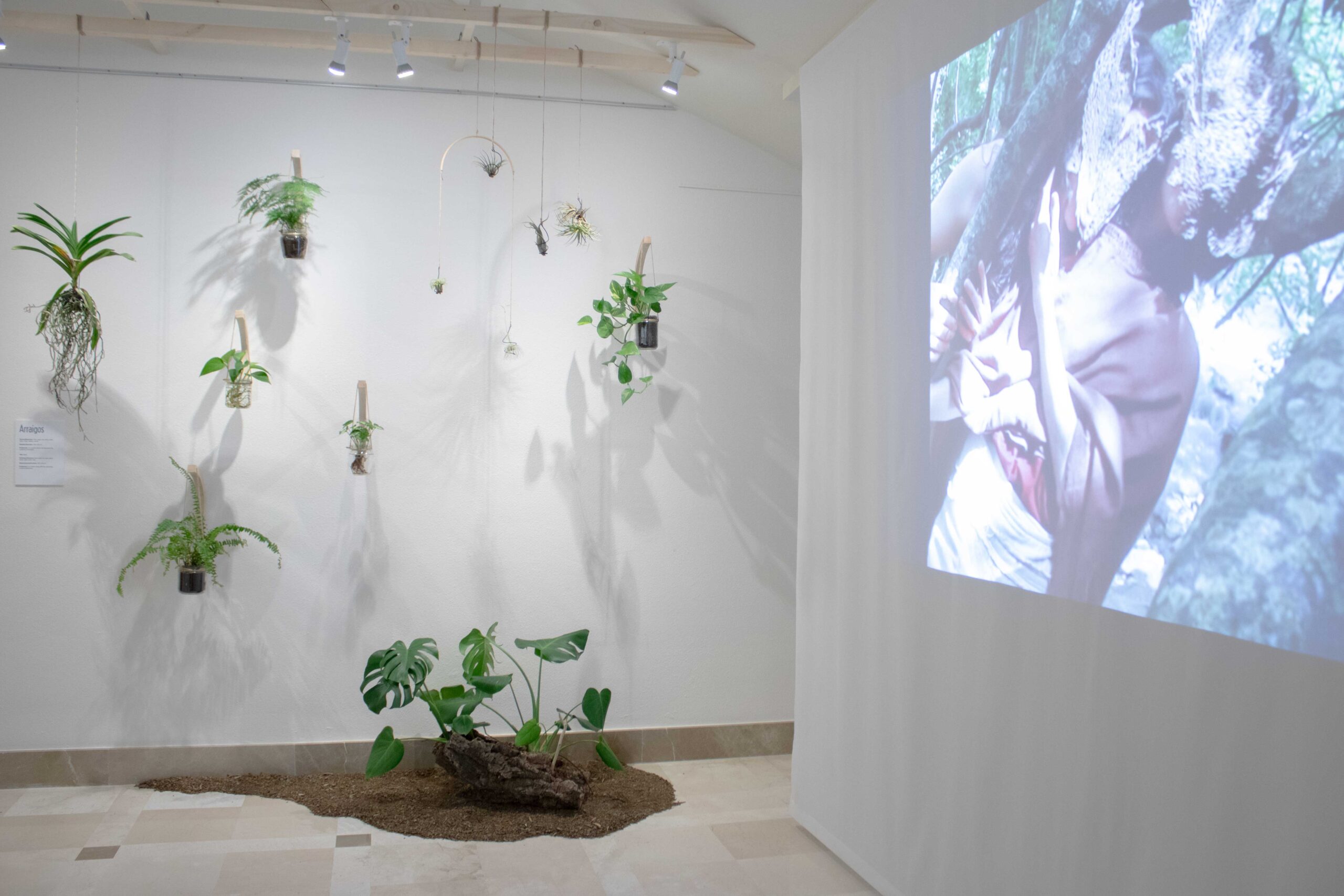
El arraigo y el desarraigo emergen como una temática central. La necesidad de pertenencia, a un lugar o a una comunidad, atraviesa tanto a quienes han participado en el proyecto como al contexto contemporáneo.
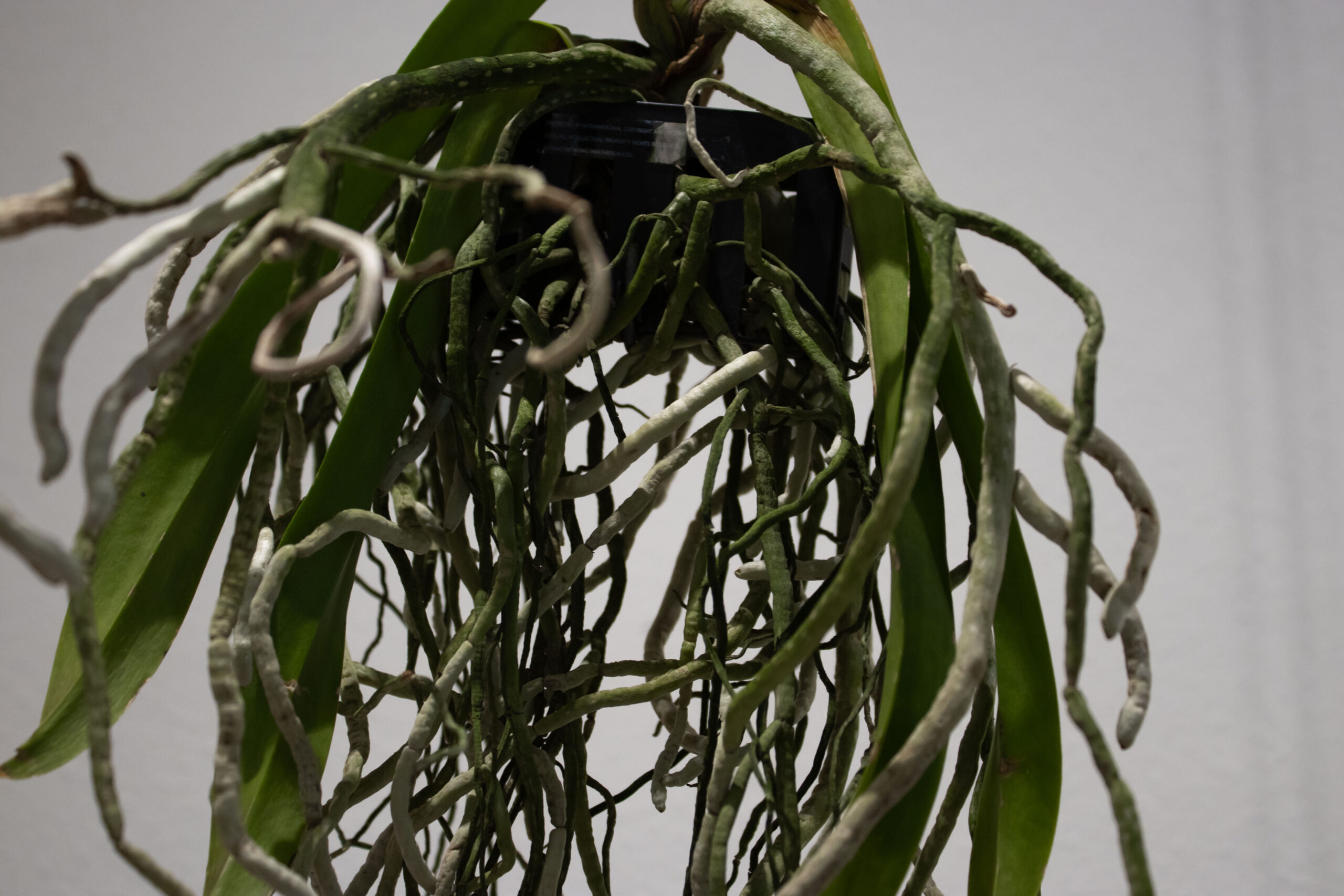
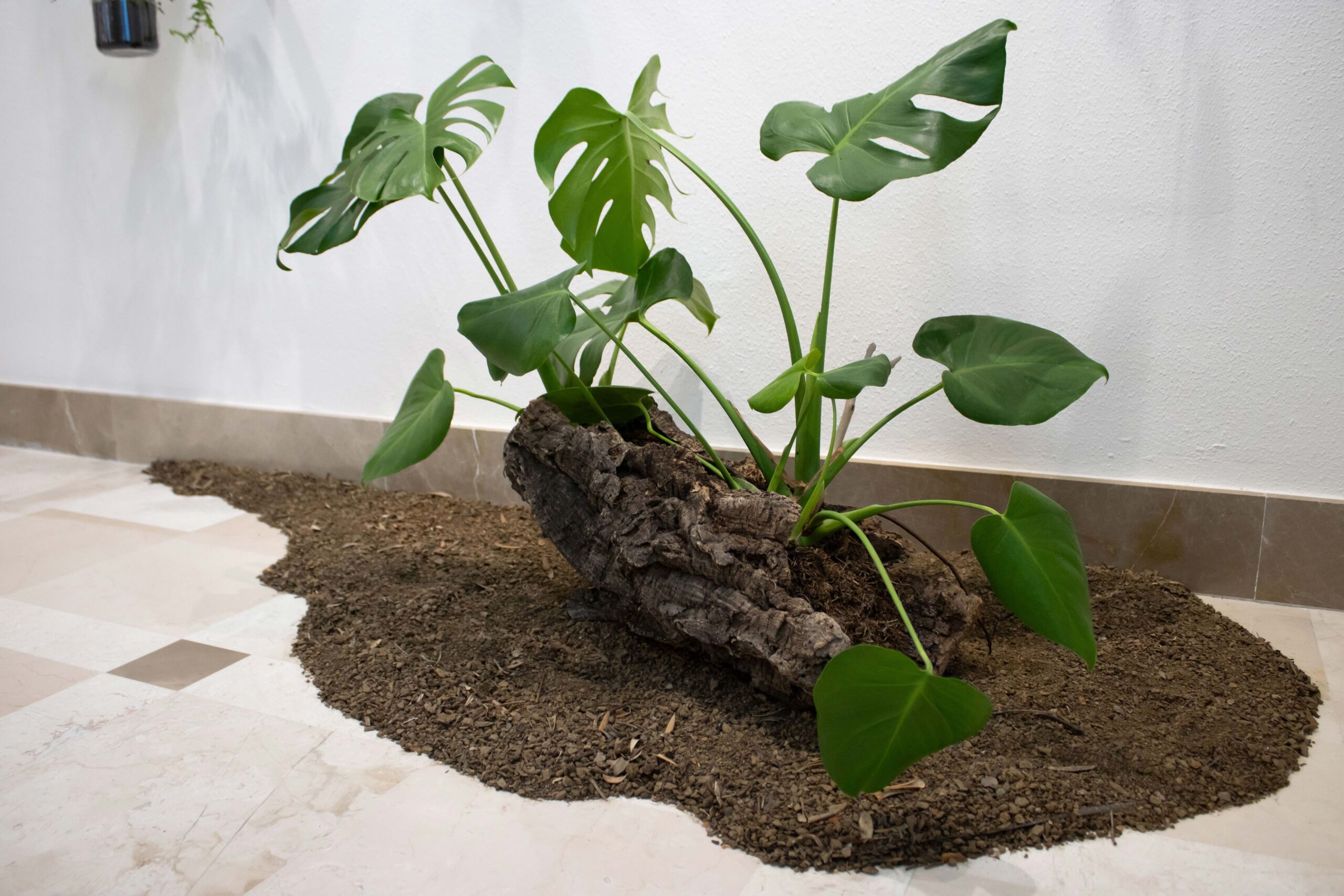
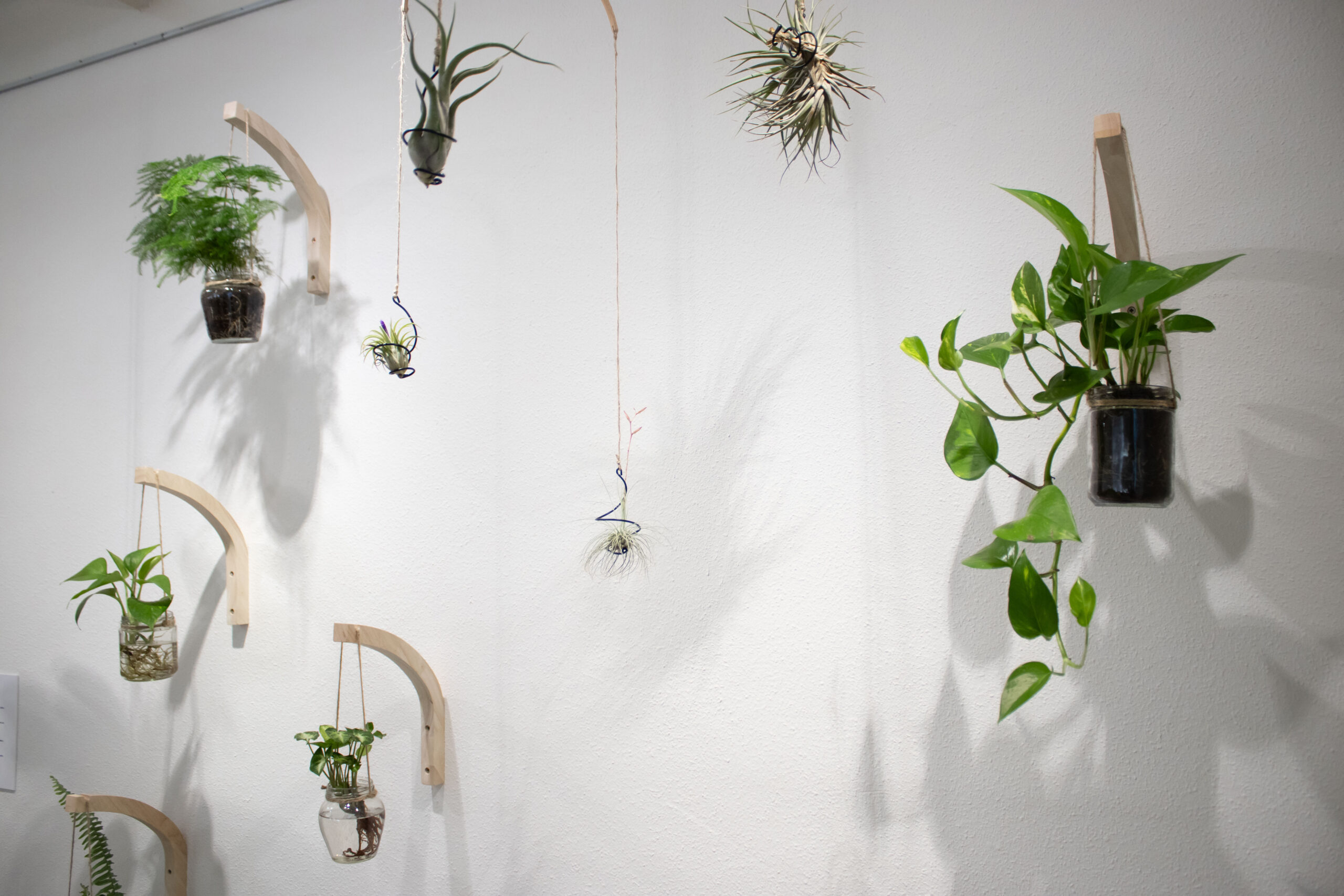
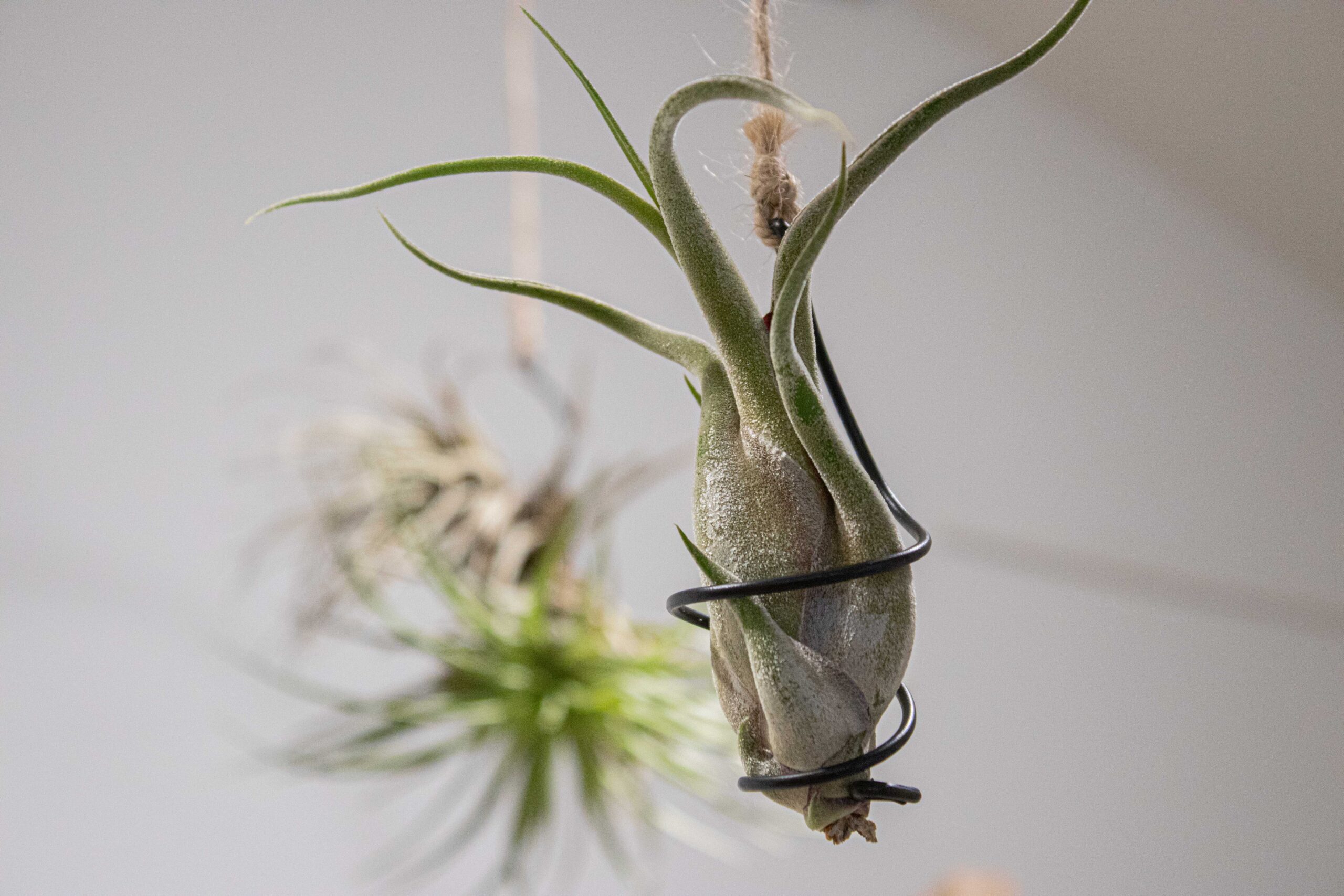
En respuesta, la instalación Arraigos presenta distintas tipologías de plantas que enraízan en diversos elementos -tierra, agua, aire o corteza-, proponiendo una reflexión sobre las formas de arraigo y su capacidad de responder a nuestras necesidades actuales.
Desde esta pluralidad, la instalación abre una comprensión de la pertenencia como proceso colectivo e interdependiente: formas de arraigo que no se construyen de manera aislada, sino en relación, a través de vínculos que conectan a las personas entre sí y con el territorio que habitan.
Corona este espacio la creación audiovisual Hebra savia, que traduce, desde la emoción y la corporeidad, la multiplicidad de conceptos y afectos trabajados en las propuestas participativas. Imagen, sonido y palabra se entrelazan para dar forma al territorio emocional y a las memorias compartidas que sostienen el proyecto.
En coherencia con el conjunto de la muestra, la materia y la dimensión sensorial adquieren aquí una presencia más explícita.
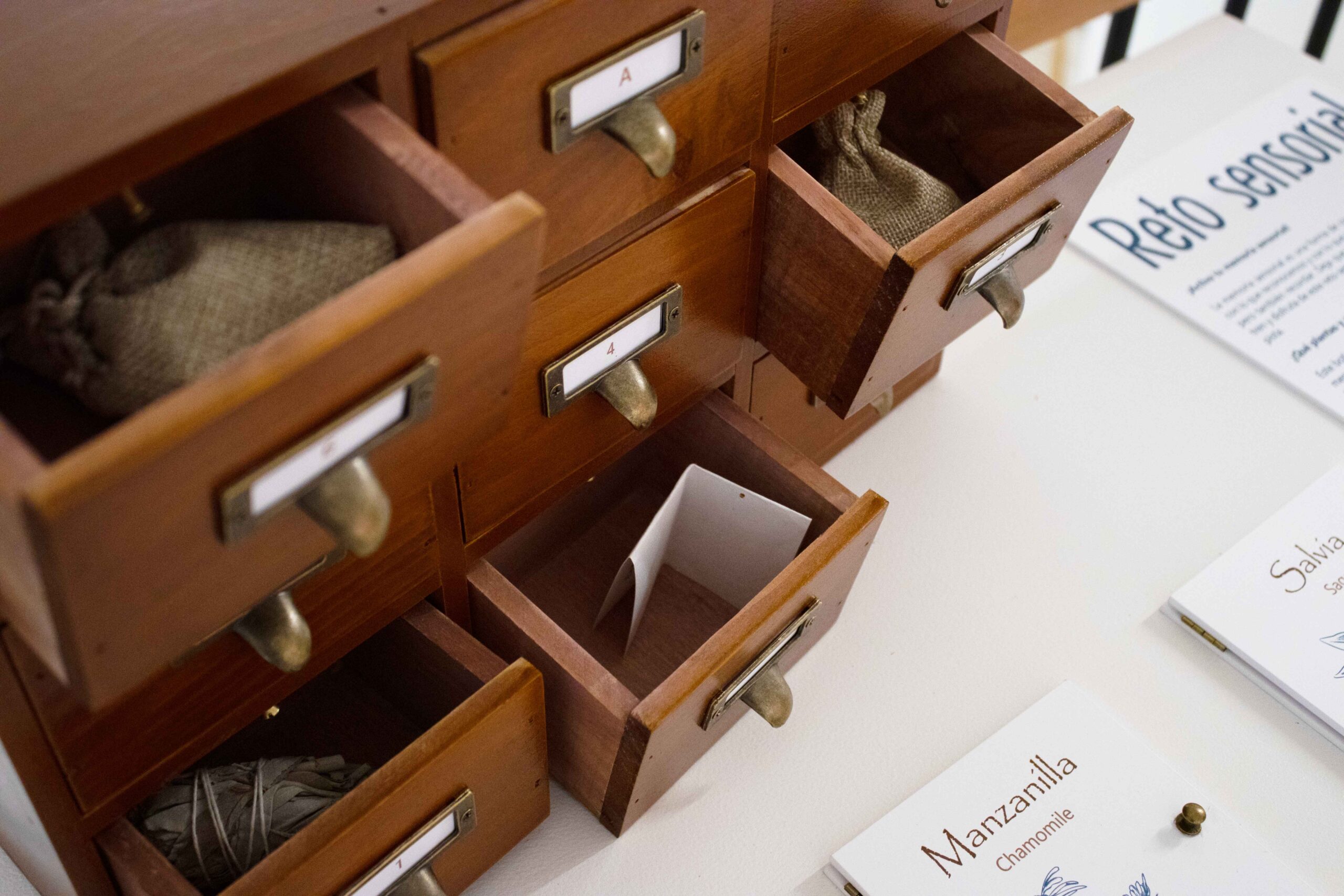
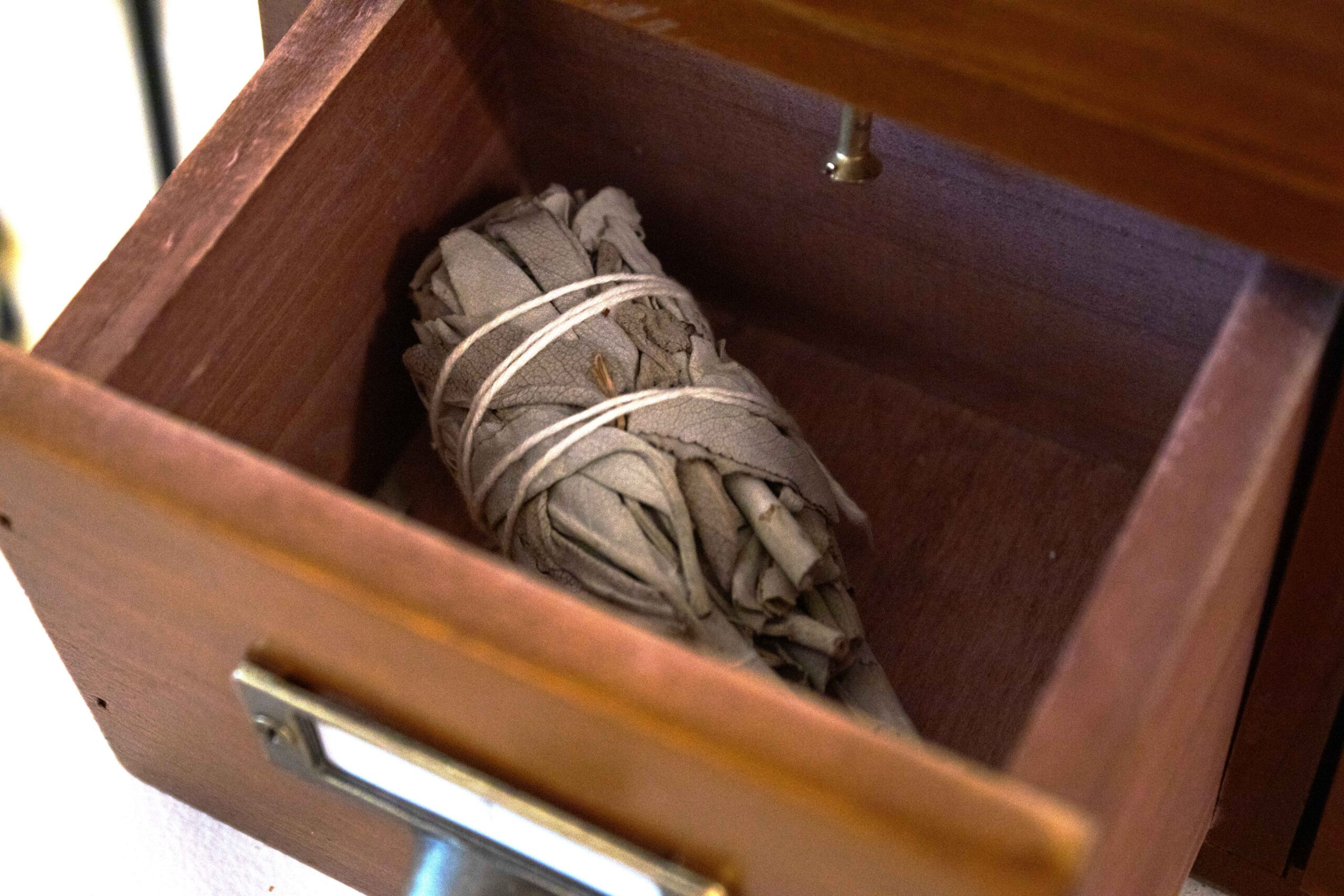
La instalación Reto sensorial es una propuesta participativa que invita a reconocer elementos de la naturaleza a través del olfato, el tacto y la vista. Se propone así un ejercicio de percepción consciente, en el que el conocimiento se activa desde la experiencia directa.
Este propuesta lúdica-sensorial dialoga con el herbario colectivo del primer espacio, así como con el altar del territorio, retomando aquellos saberes vinculados a las plantas y desplazándolos ahora del registro y la memoria hacia la experiencia sensorial inmediata.
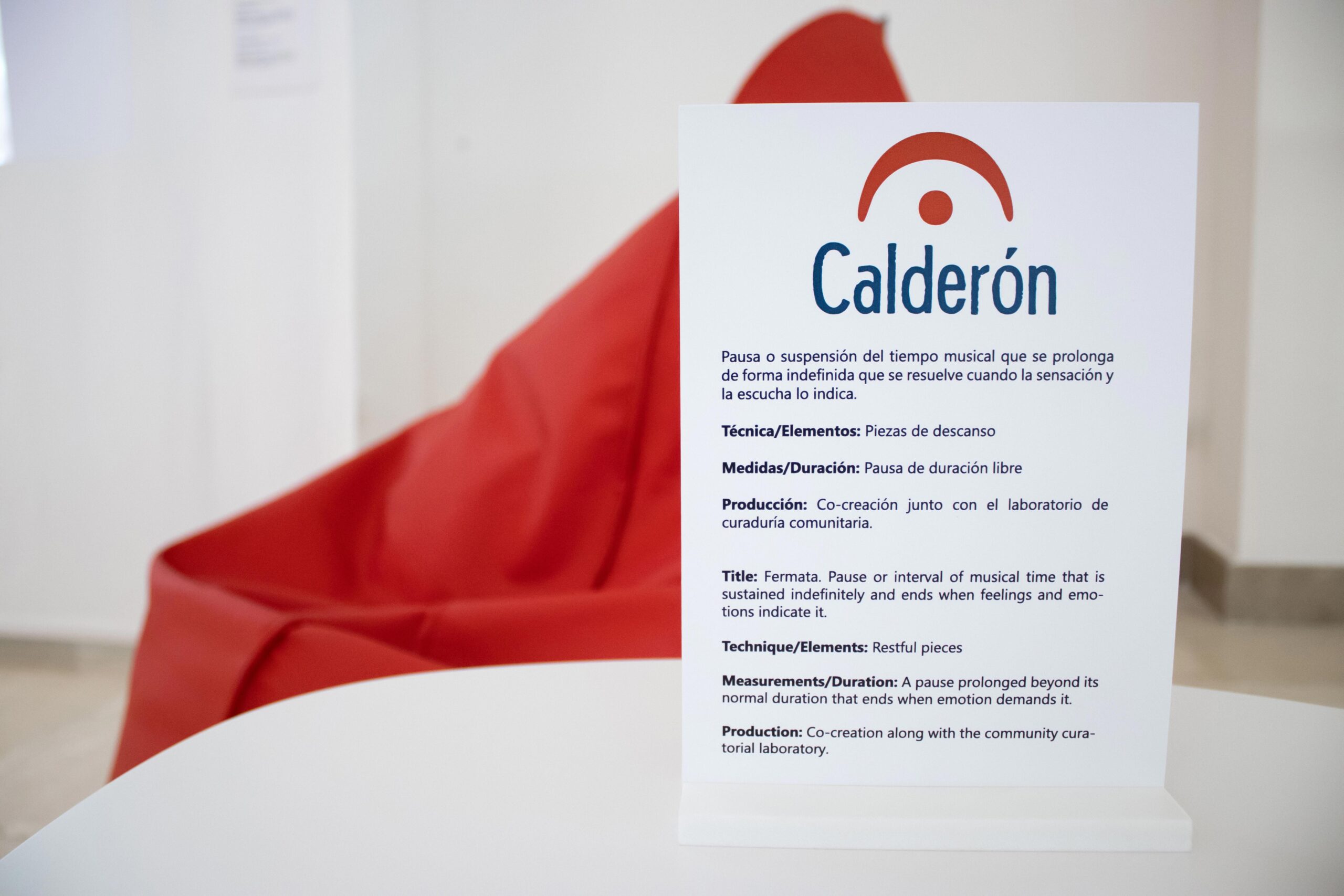
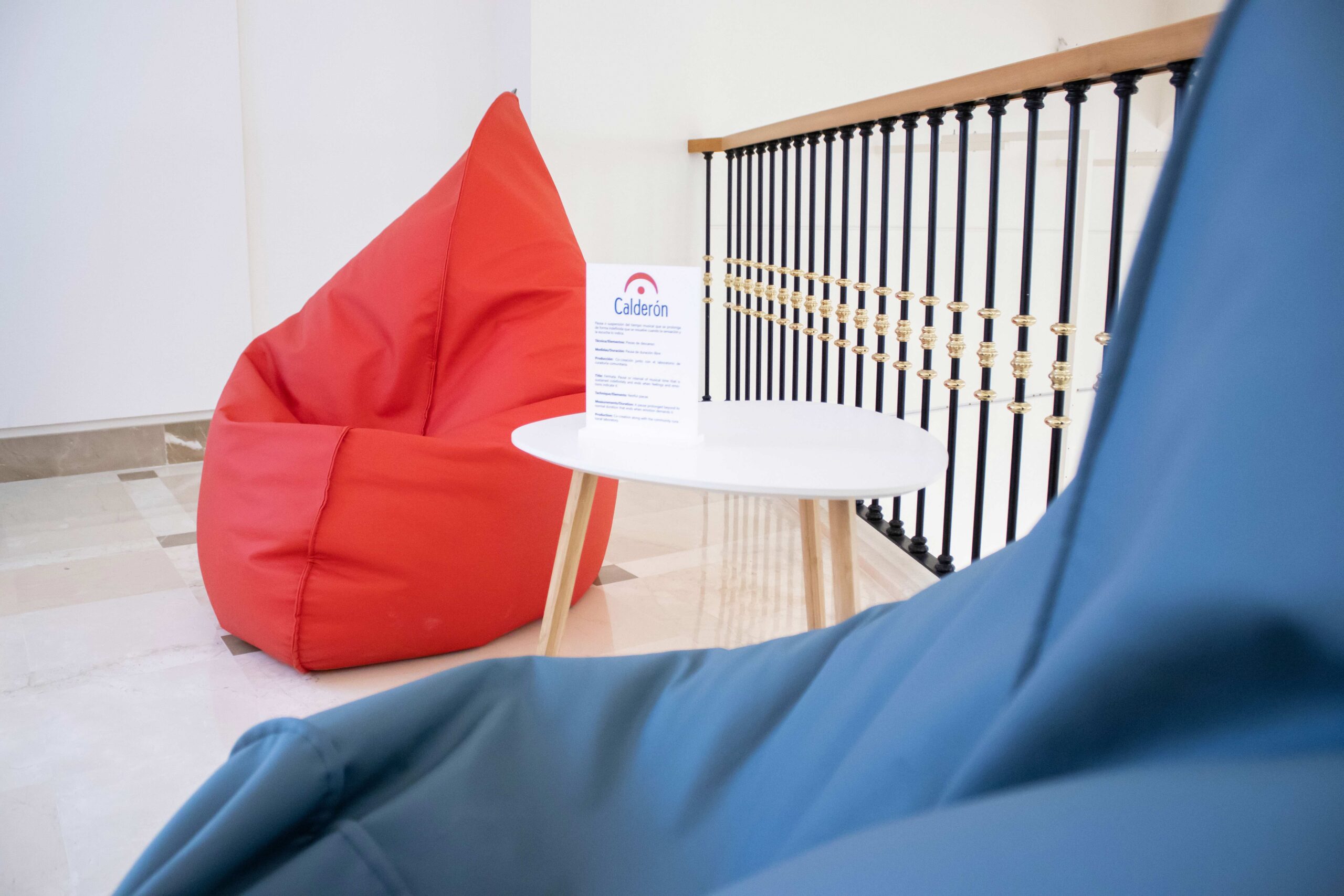
Calderón. Pausa o suspensión del tiempo musical que se prolonga de forma indefinida y se resuelve cuando la sensación y la escucha lo indican.
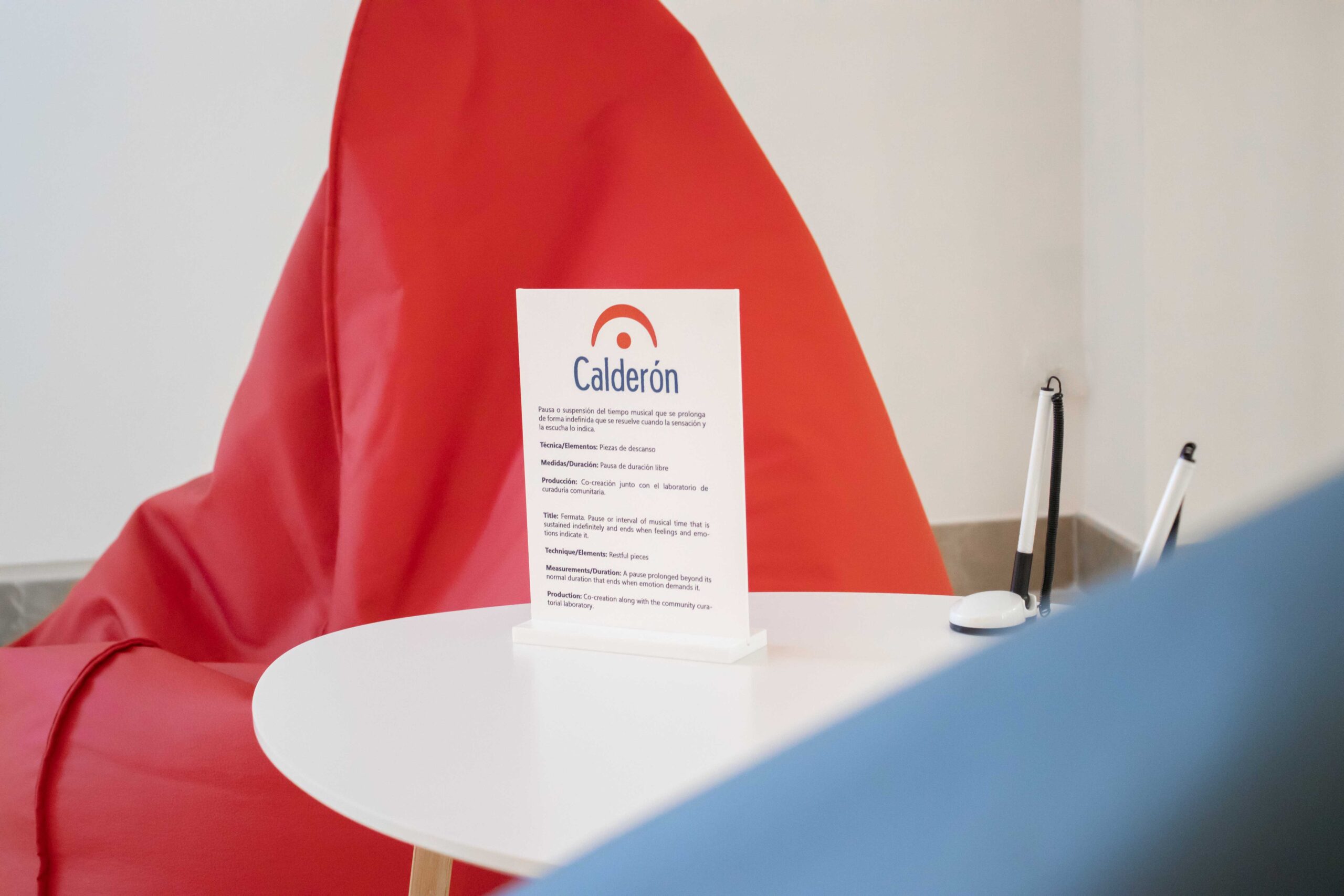
Y para sentir, debemos parar y escuchar nuestro cuerpo. Por ello, en el centro de este espacio se despliega una serie de dispositivos de descanso, que propician el reposo y habilitan un tiempo de pausa. Este gesto sencillo abre la posibilidad de alcanzar un estado de calma y conexión interna y con el entorno. La invitación es a permitir que las experiencias despertadas durante la visita sedimenten en el cuerpo antes de continuar el recorrido por el museo, cuando la sensación y la escucha lo indiquen…
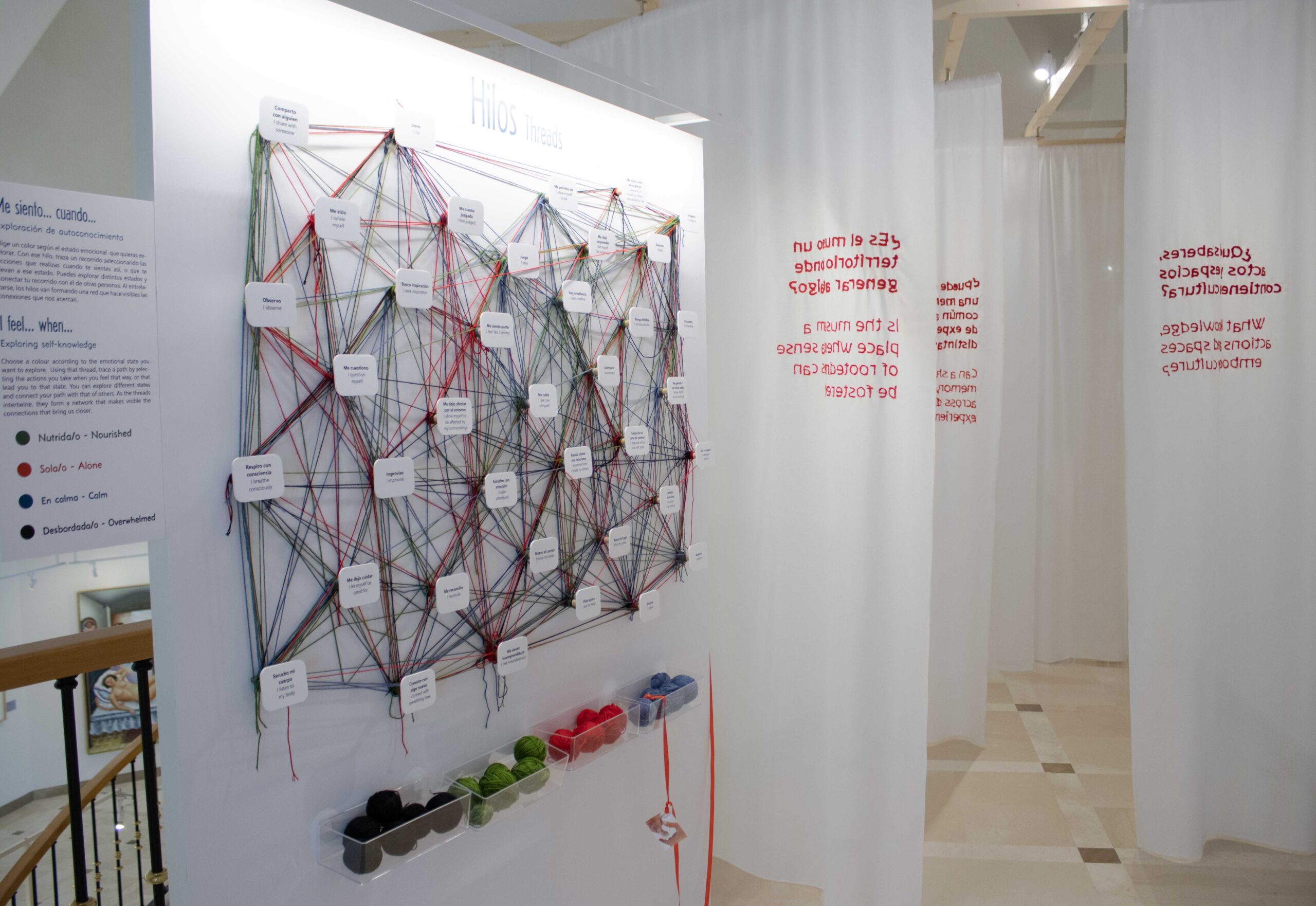
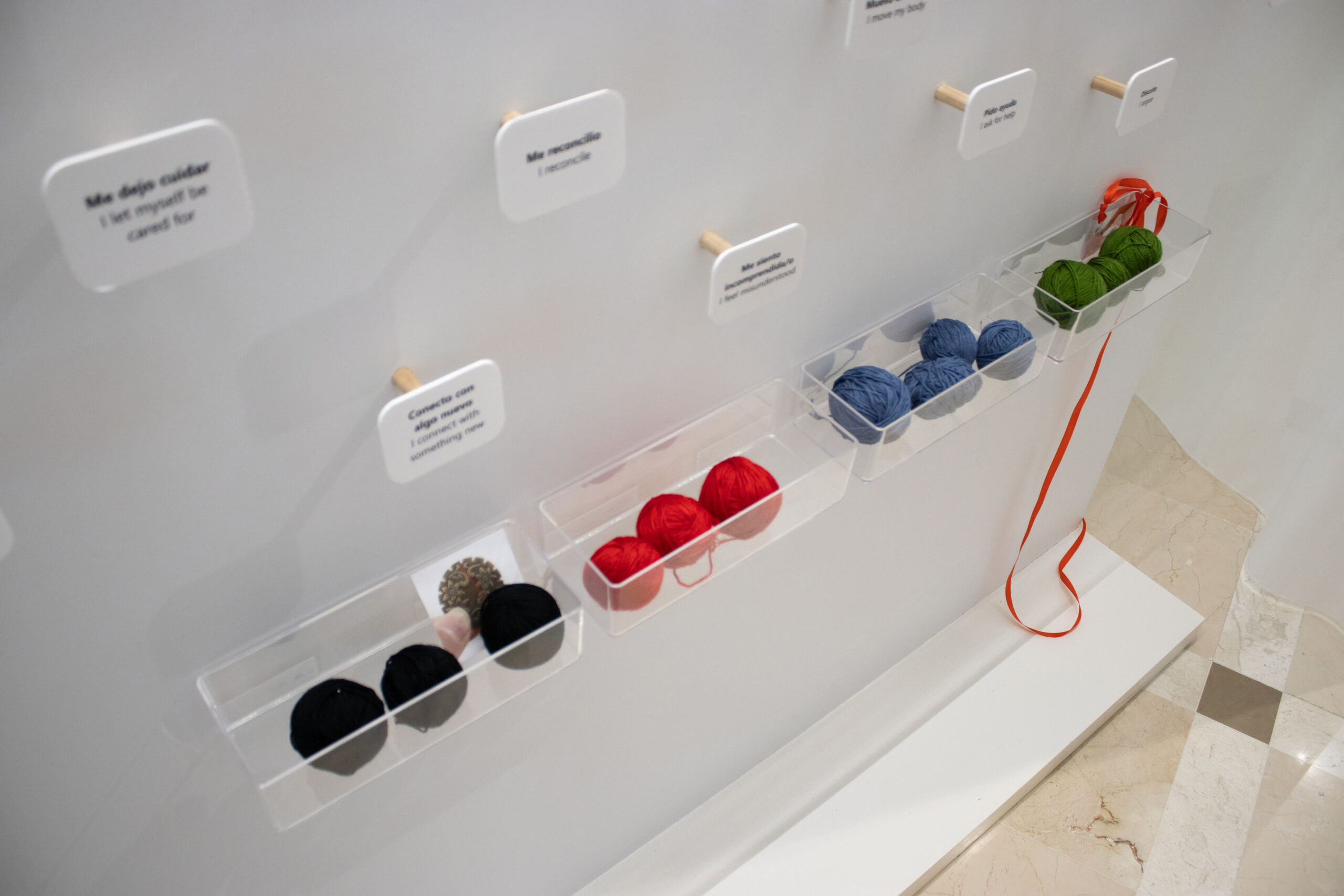
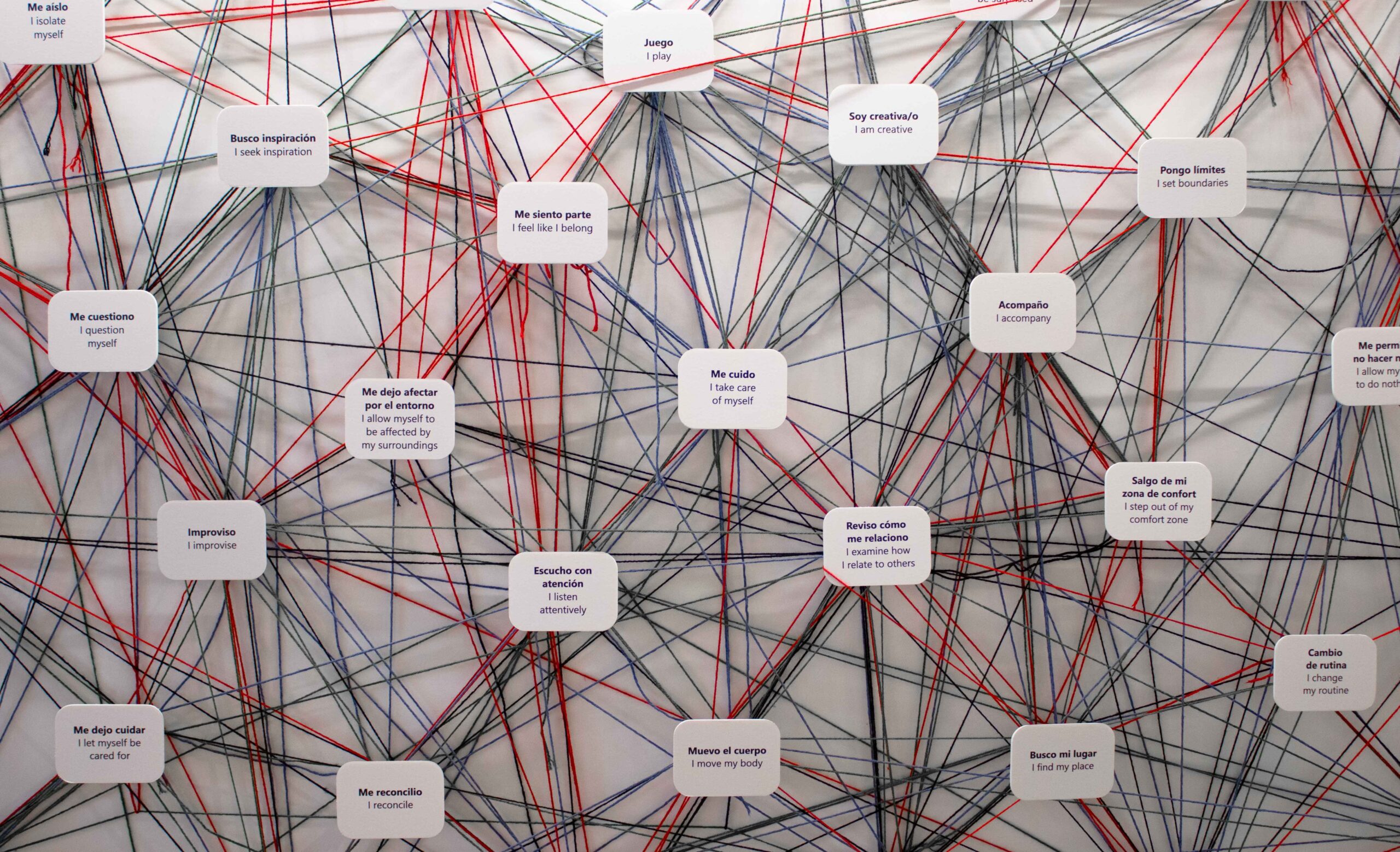
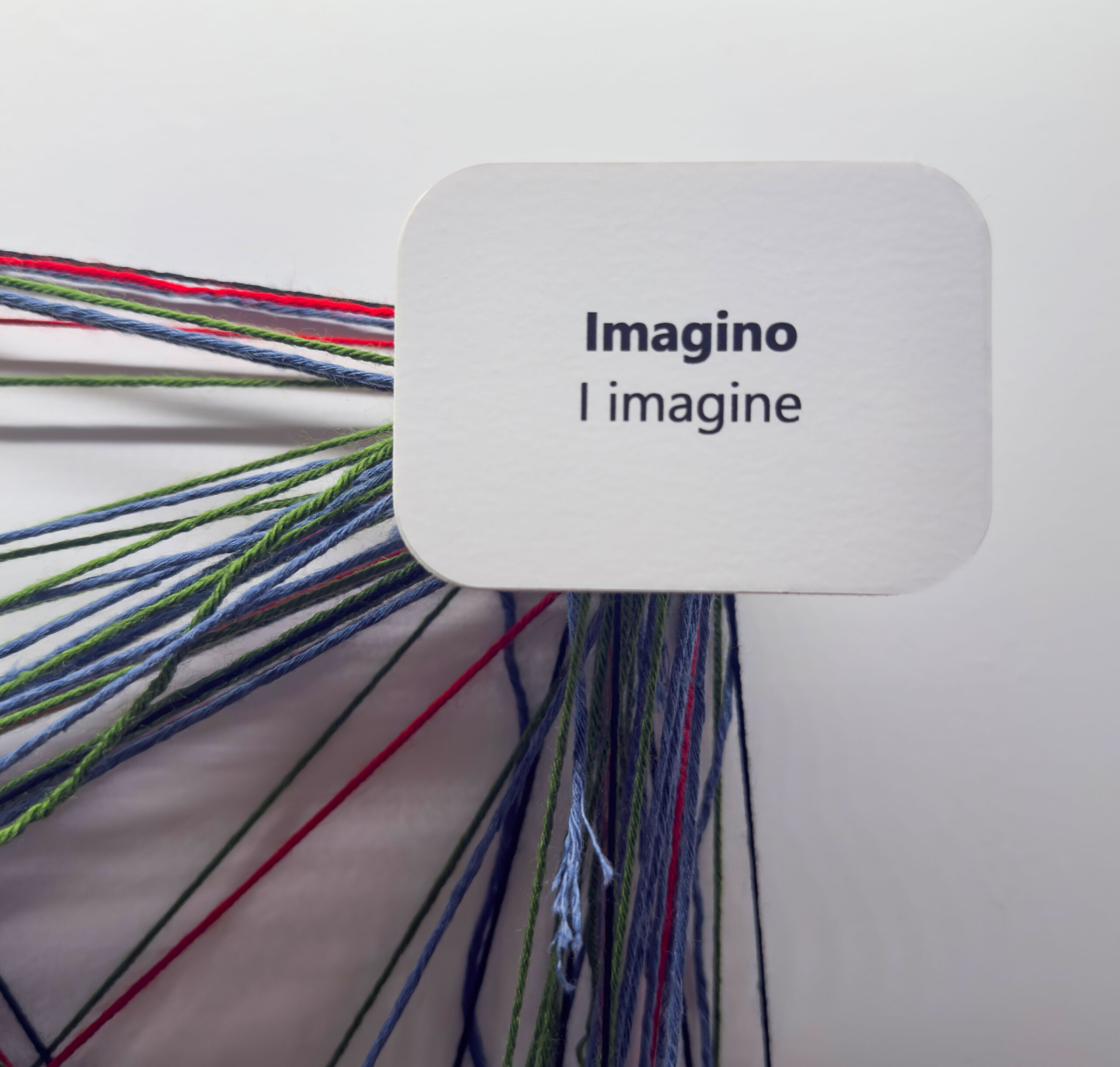
Finalmente, antes de atravesar de nuevo el espacio liminal y regresar a las obras de Gambartes -quizá ahora desde una nueva mirada-, la instalación Hilos nos plantea una pregunta de cierre. La forma de responderla es parte esencial de la propuesta: mediante hilos de lana, cada persona traza un recorrido propio que, al entrelazarse con los demás, configura una red visible. Este tejido relacional hace manifiestas las conexiones entre individuos y revela la proximidad que nos vincula.
Lorem ipsum dolor sit amet, consectetur adipiscing elit. Ut elit tellus, luctus nec ullamcorper mattis, pulvinar dapibus leo.