El_Laboratorio: a space for community curation

El_Laboratorio: a space for community curation

How is an exhibition constructed when those who visit it can also help conceive it, make decisions on it and make it possible?

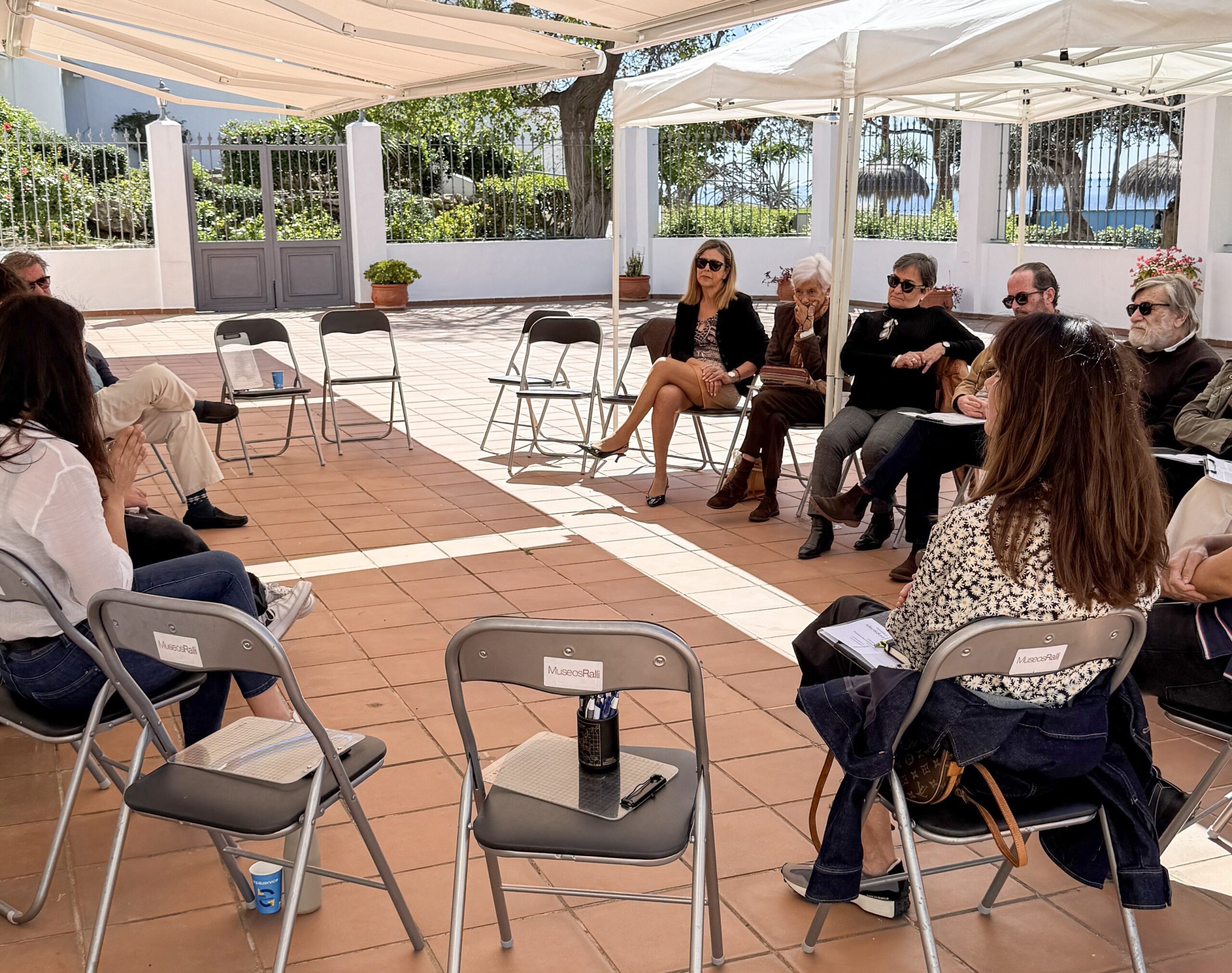
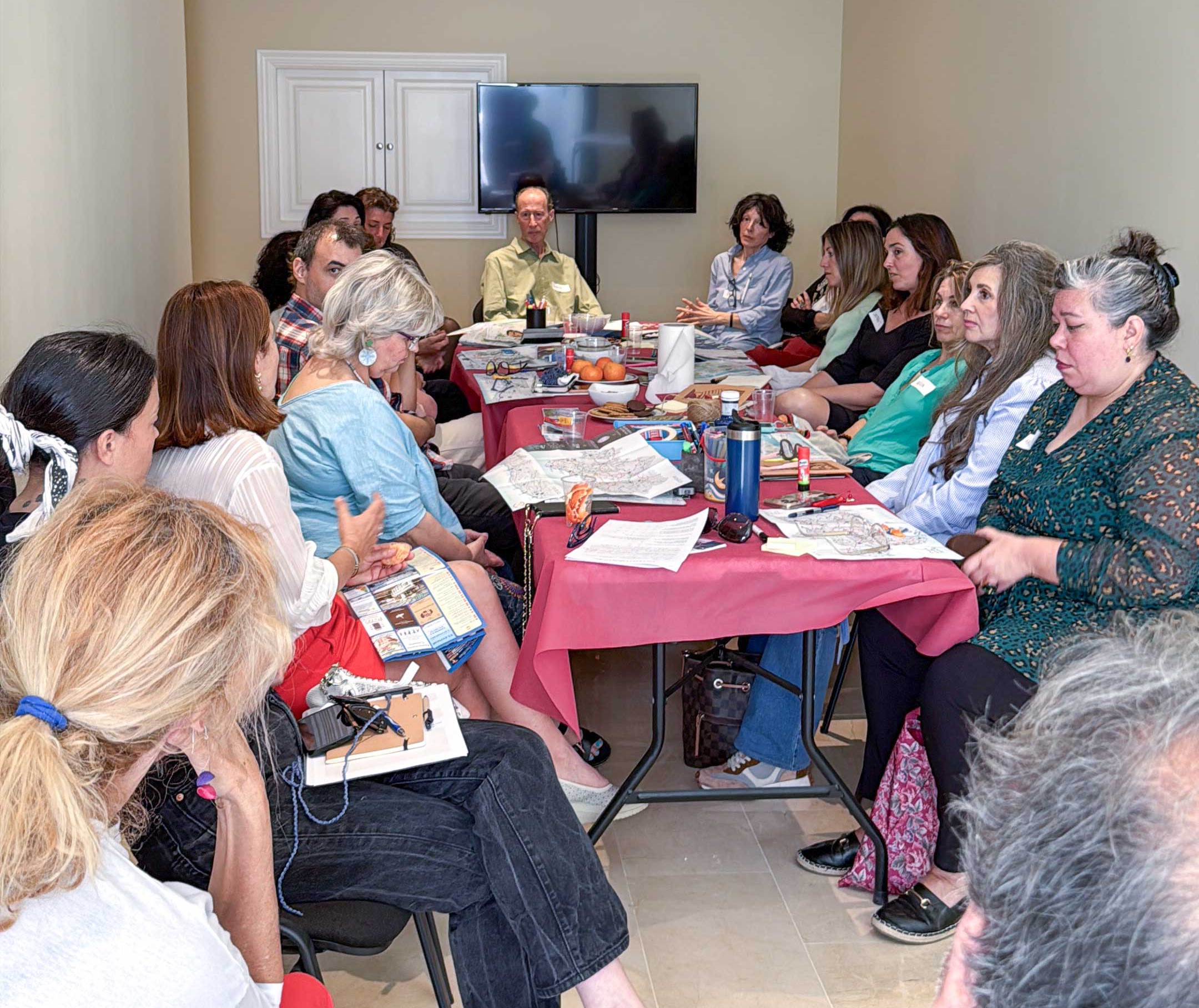
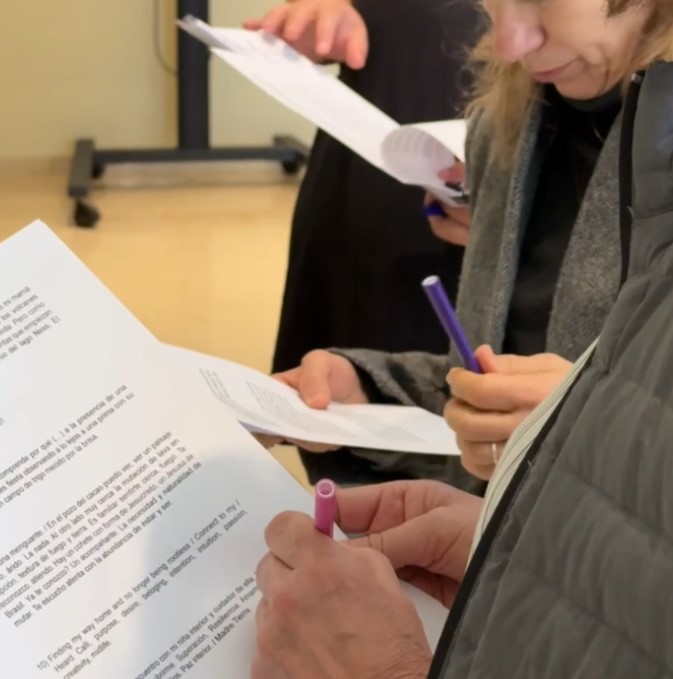
El_Laboratorio served as a space for coming together, listening and collective creation within the Ralli Museum Marbella’s educational and participatory project, (un)realities. In its sessions, individuals of different ages, backgrounds and experiences gathered to reflect on art, museums and the themes central to the project’s first exhibition, Memories of the land. Leónidas Gambartes (2025–2026): territory, memory, identity and ritual.

From the start, (un)realities was conceived as a project comprising two exhibitions and an extensive educational programme. The first exhibition created a space for experimentation, dialogue and the sharing of thoughts, emotions and life experiences through workshops, gallery visits and online initiatives. The second exhibition, which had still not been defined at the time, was intended to incorporate some of the elements generated throughout this process.

El_Laboratorio emerged from this idea. If the new exhibition was to address the people and community surrounding the museum, it could not be developed solely by the museum itself: the community had to be involved in decisions on what stories to tell and how to tell them.

Over the course of nine sessions held throughout a year, the group explored insights that emerged from the educational programme and discussed the role of art and museums in modern times. The process moved from reflection and research to the practical decisions needed to help an exhibition take shape.

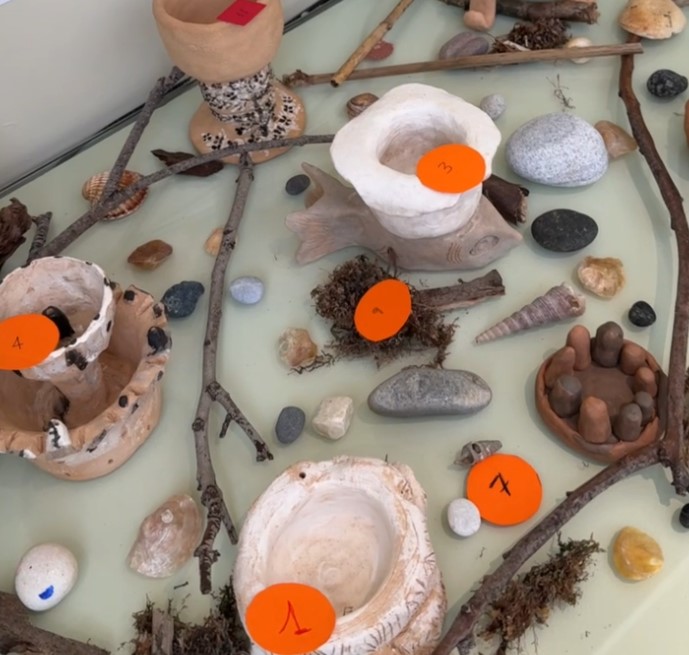
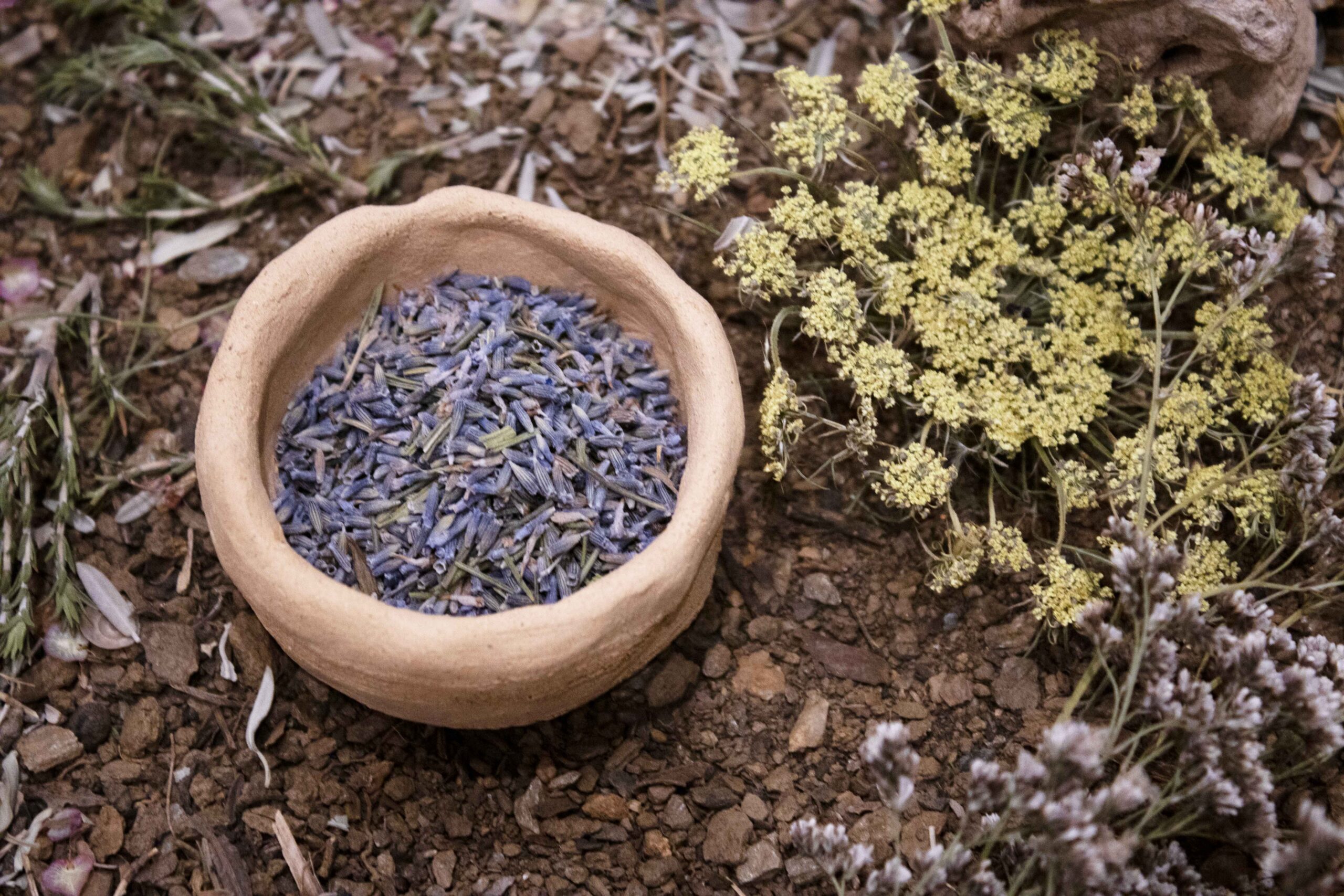
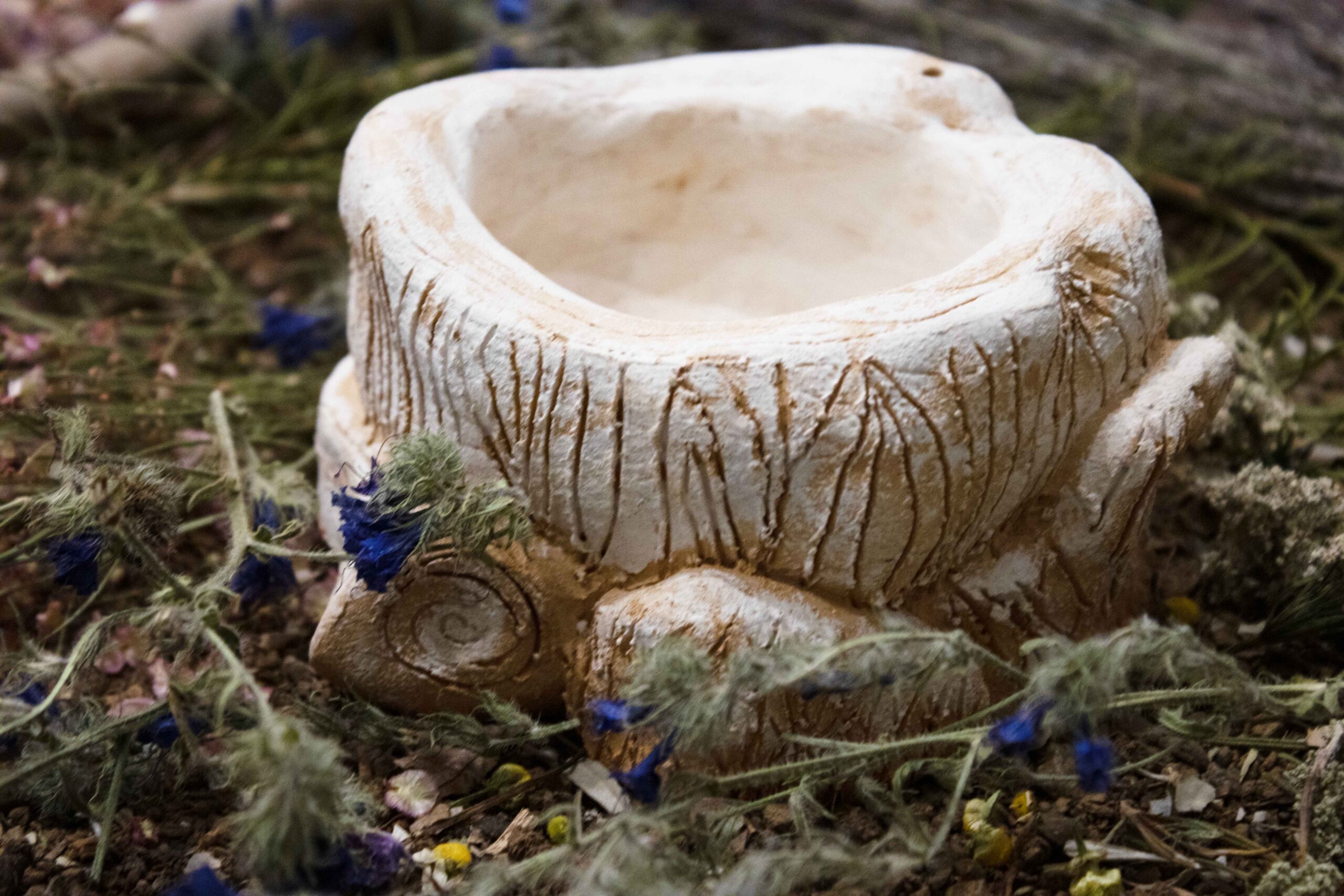
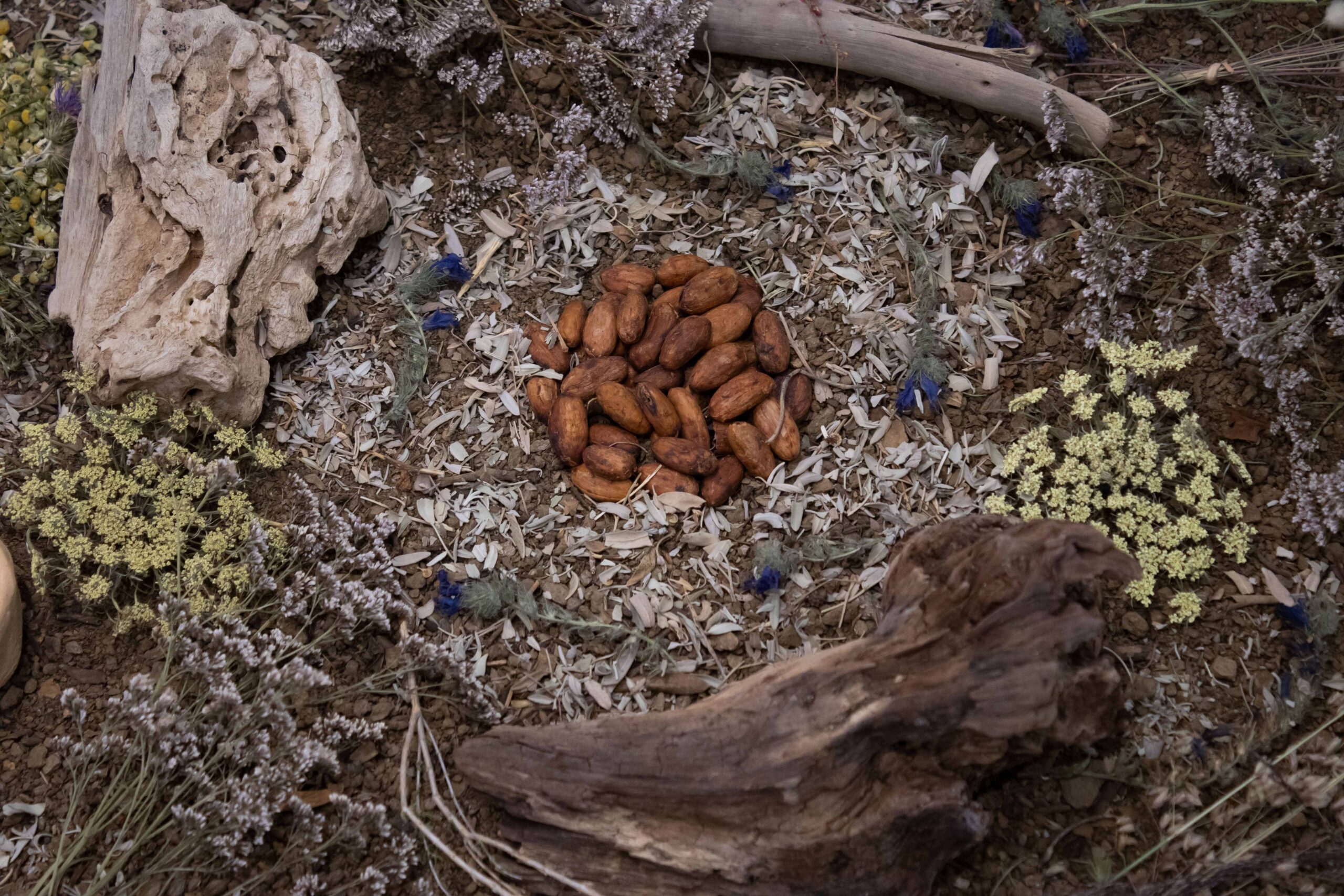
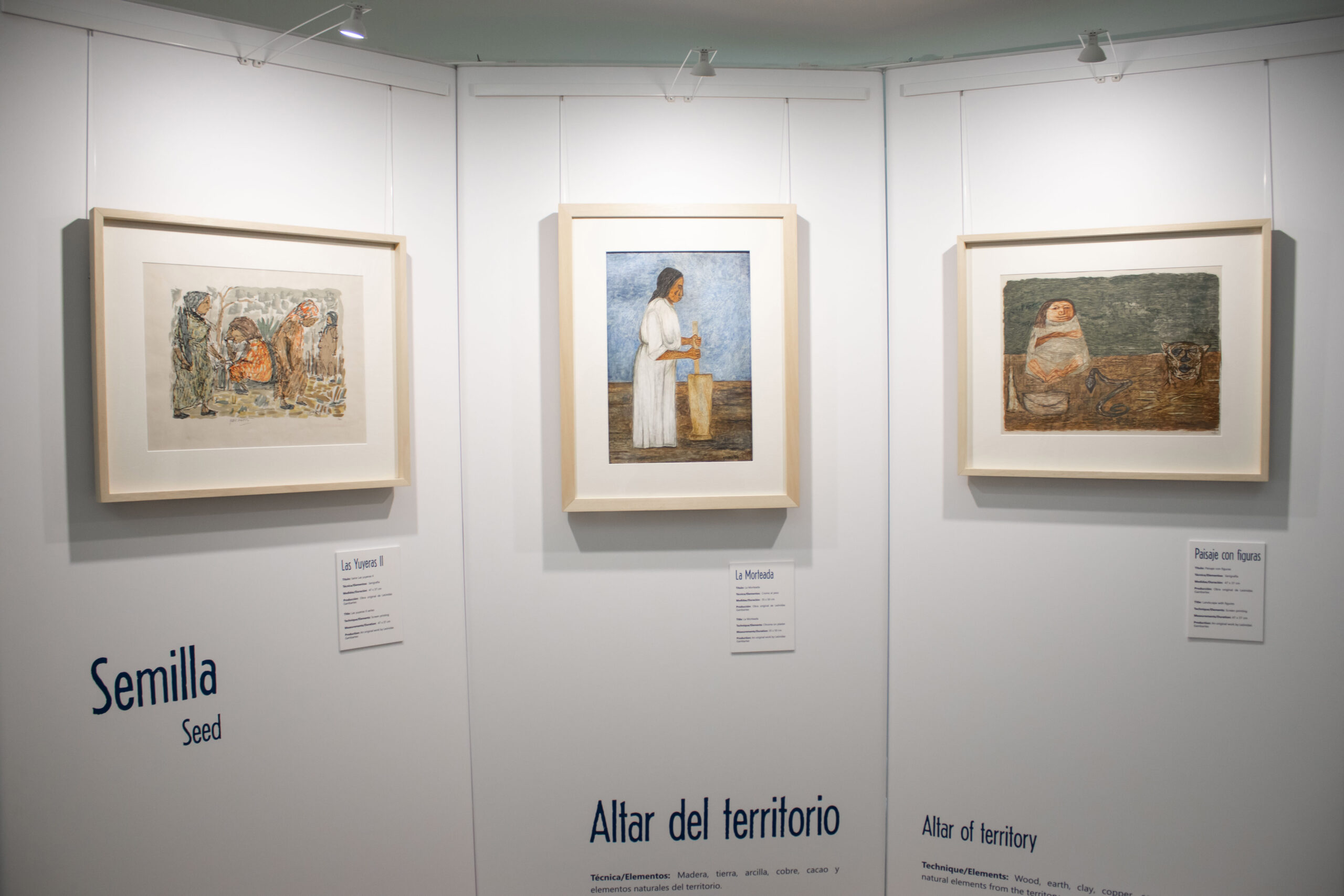
The result of this process was Inhabiting roots. Sensory practices in territory, an exhibition created through listening, exchange and shared participation.

A museum as a space for listening

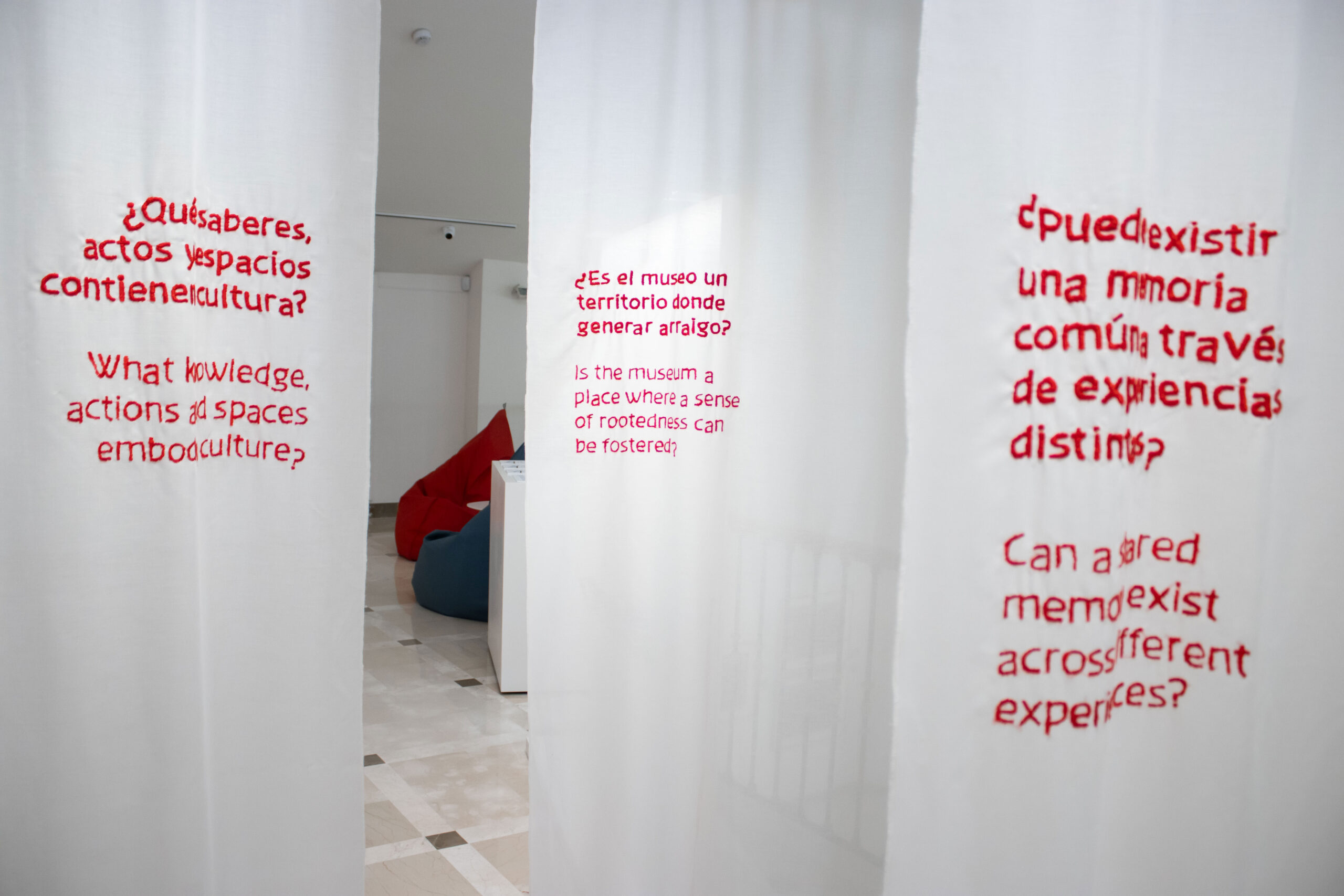
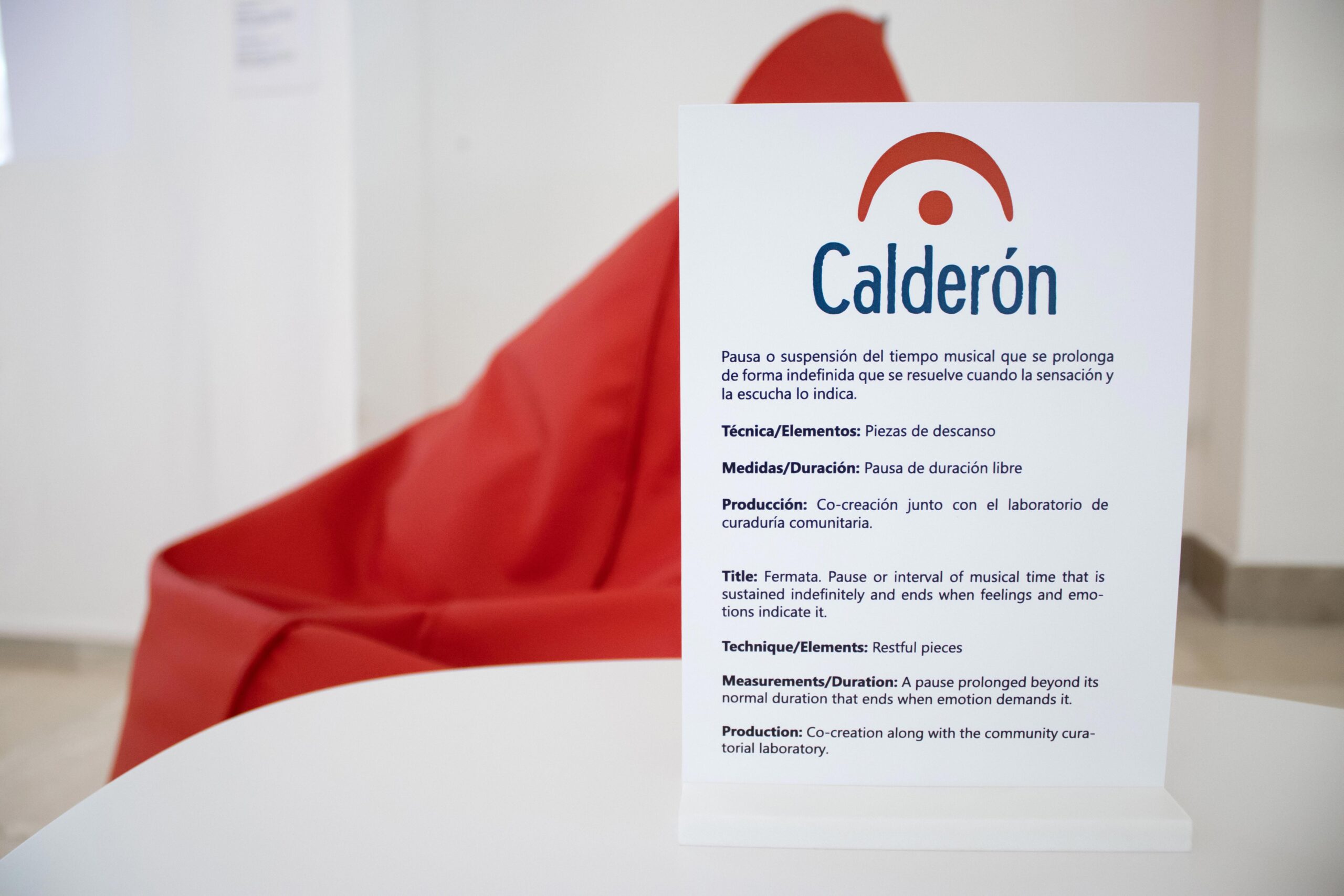
With El_Laboratorio, the museum was envisioned as a place for meeting, talking, and constructing shared meanings. The process allowed us to recognise concerns that spanned many shared experiences: the need for belonging and connection; roots, family and memory; the relationship with nature; links between the individual and the collective; rootedness, migration, solitude, care and hope. In a context defined by immediacy and information overload, the desire emerged to create a space where we could pause, feel and recognise ourselves alongside other people.

From collective thinking to the gallery

Curating an exhibition involves organising ideas, materials and experiences to construct a story. In this case, that narrative did not stem from a single voice: it took shape through dialogue between members of the public, the museum team, educational initiatives, and Gambartes’ work.

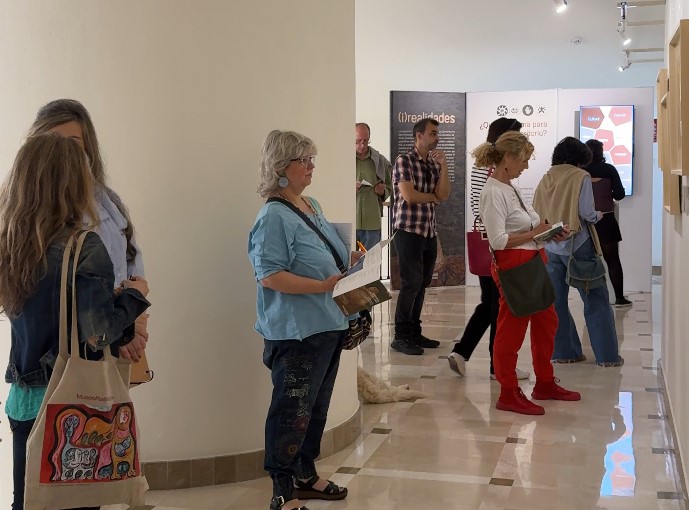
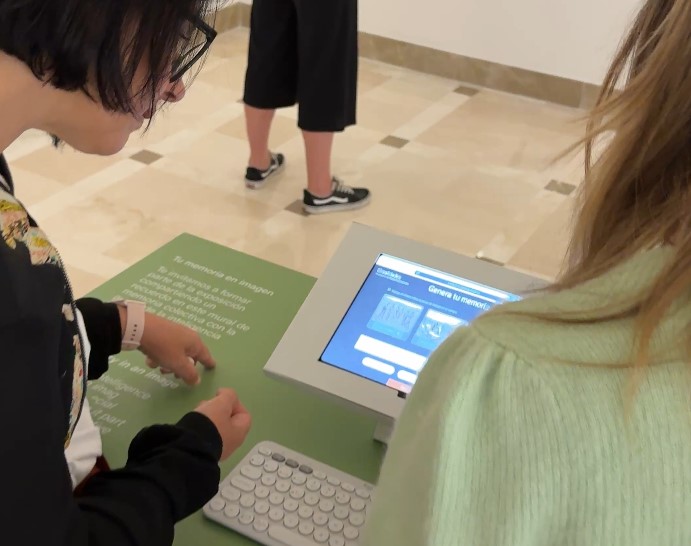
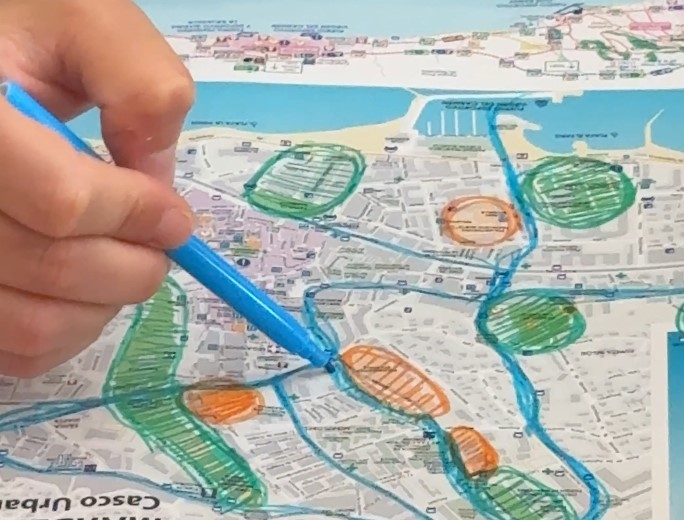
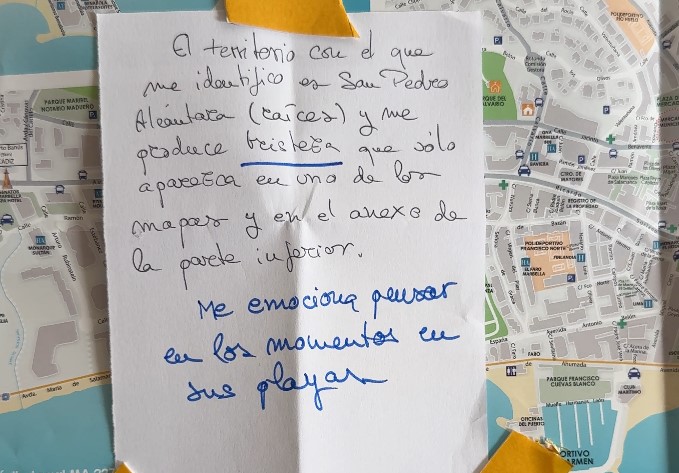
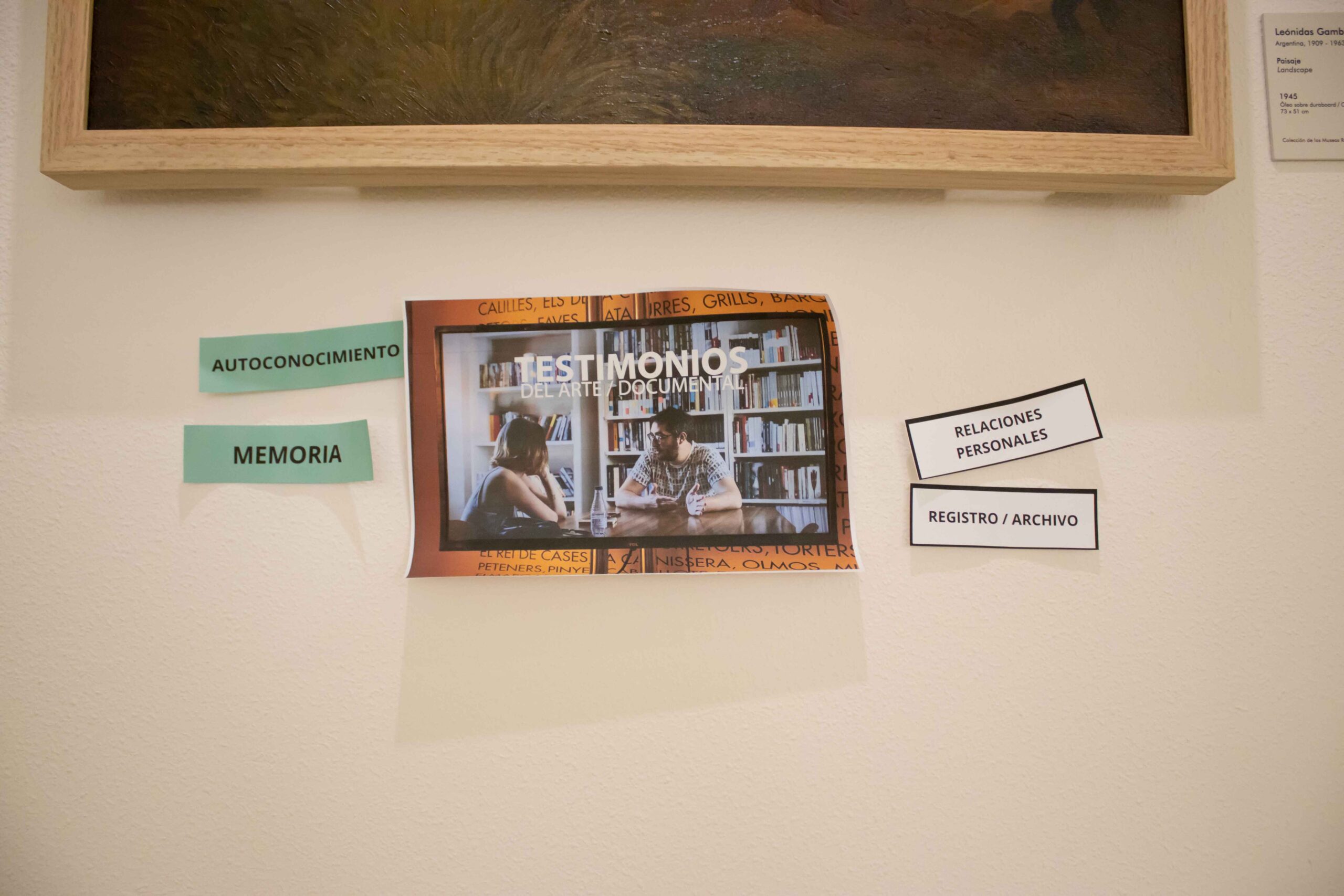
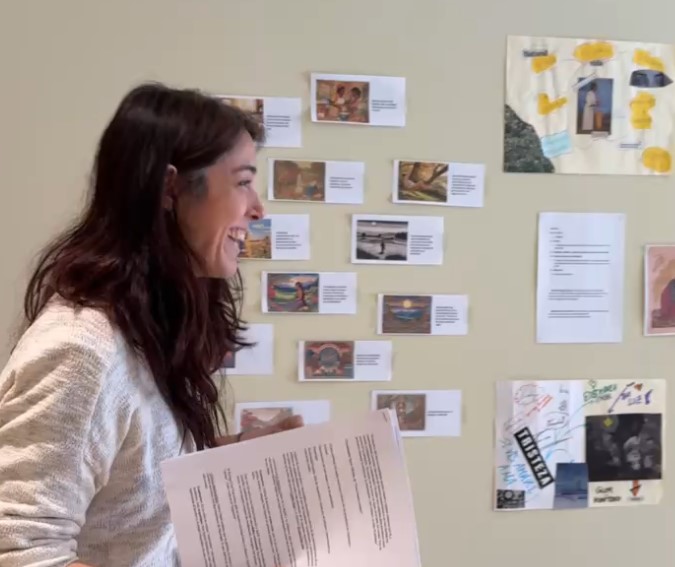
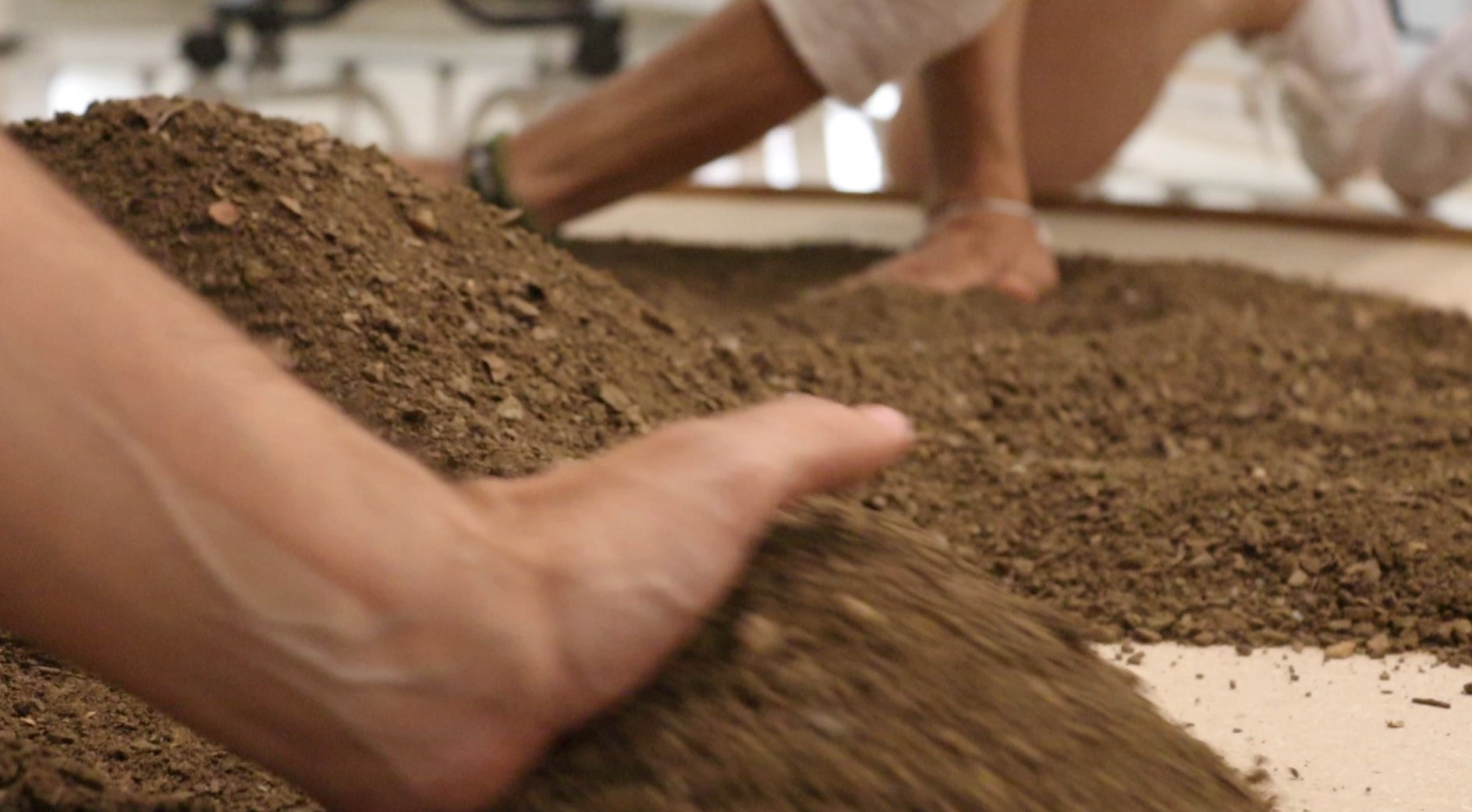
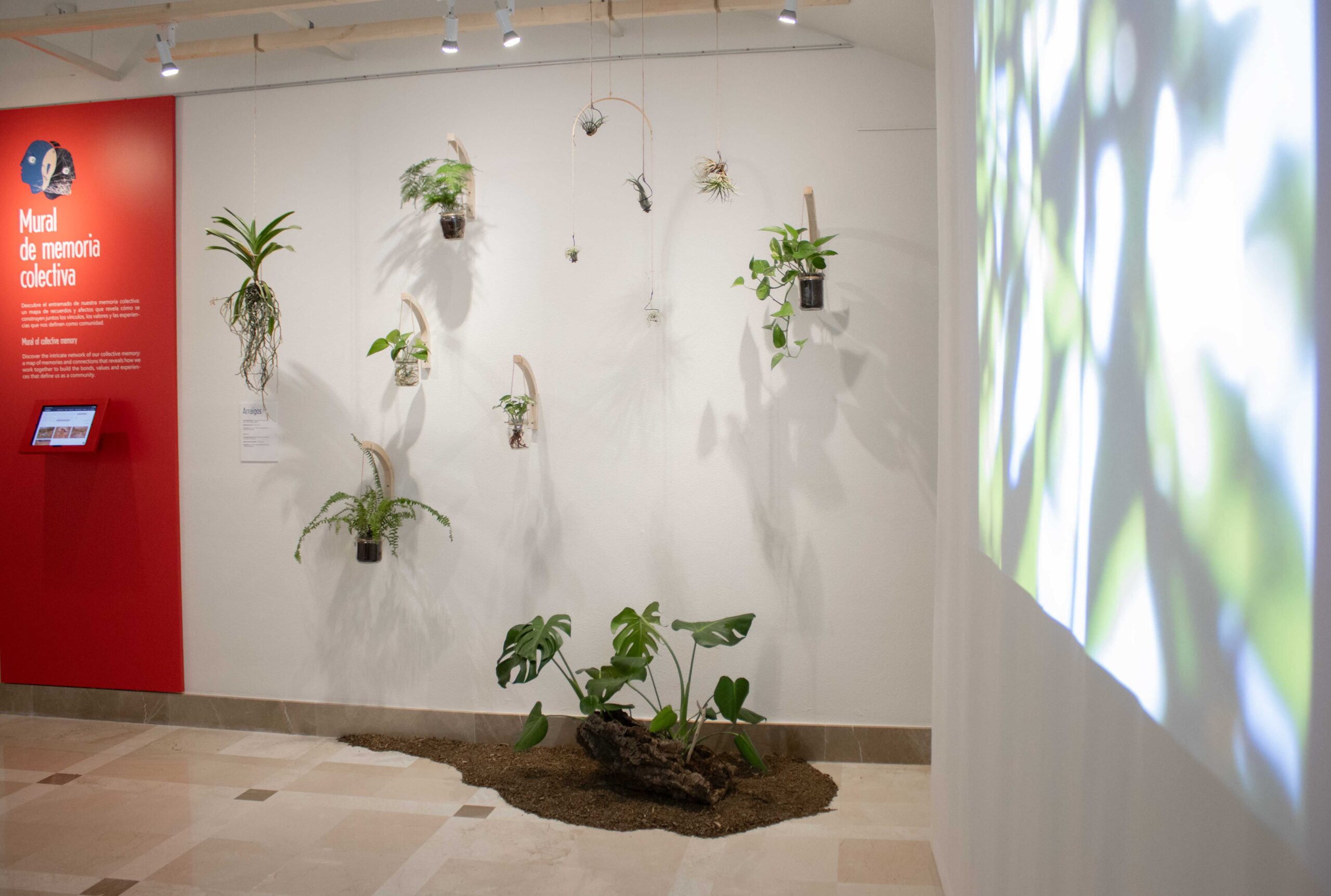
In the first instance, the participatory processes developed in Memories of the land. Leónidas Gambartes were analysed: workshops, pedagogical tools in the gallery and online, a mural of collective memory, a concept map of the territory, an interactive wall, and the artworks of Leónidas Gambartes himself. All of this material, comprising different creations, words, gestures, memories and conversations, became the starting point for a new exhibition narrative.

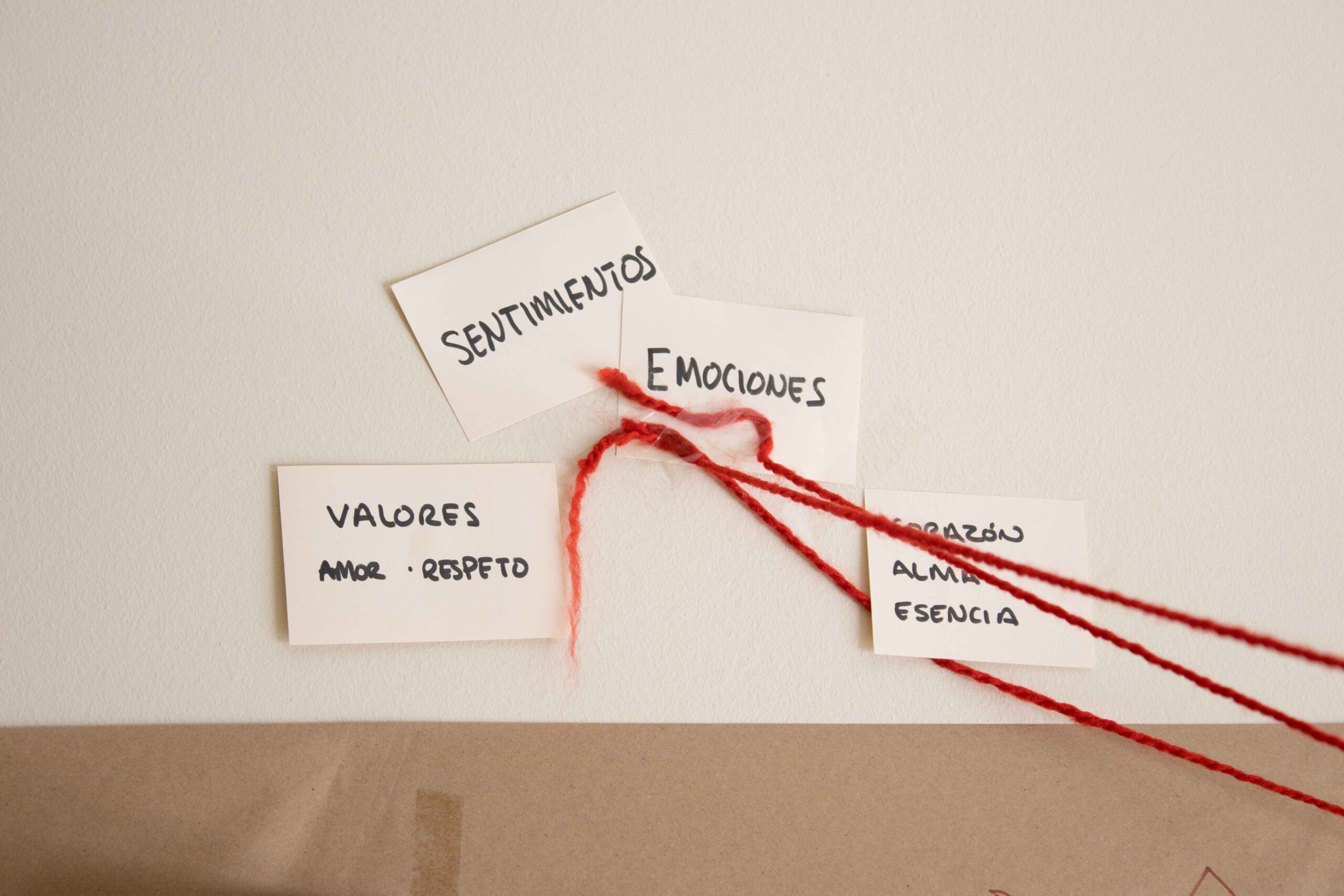
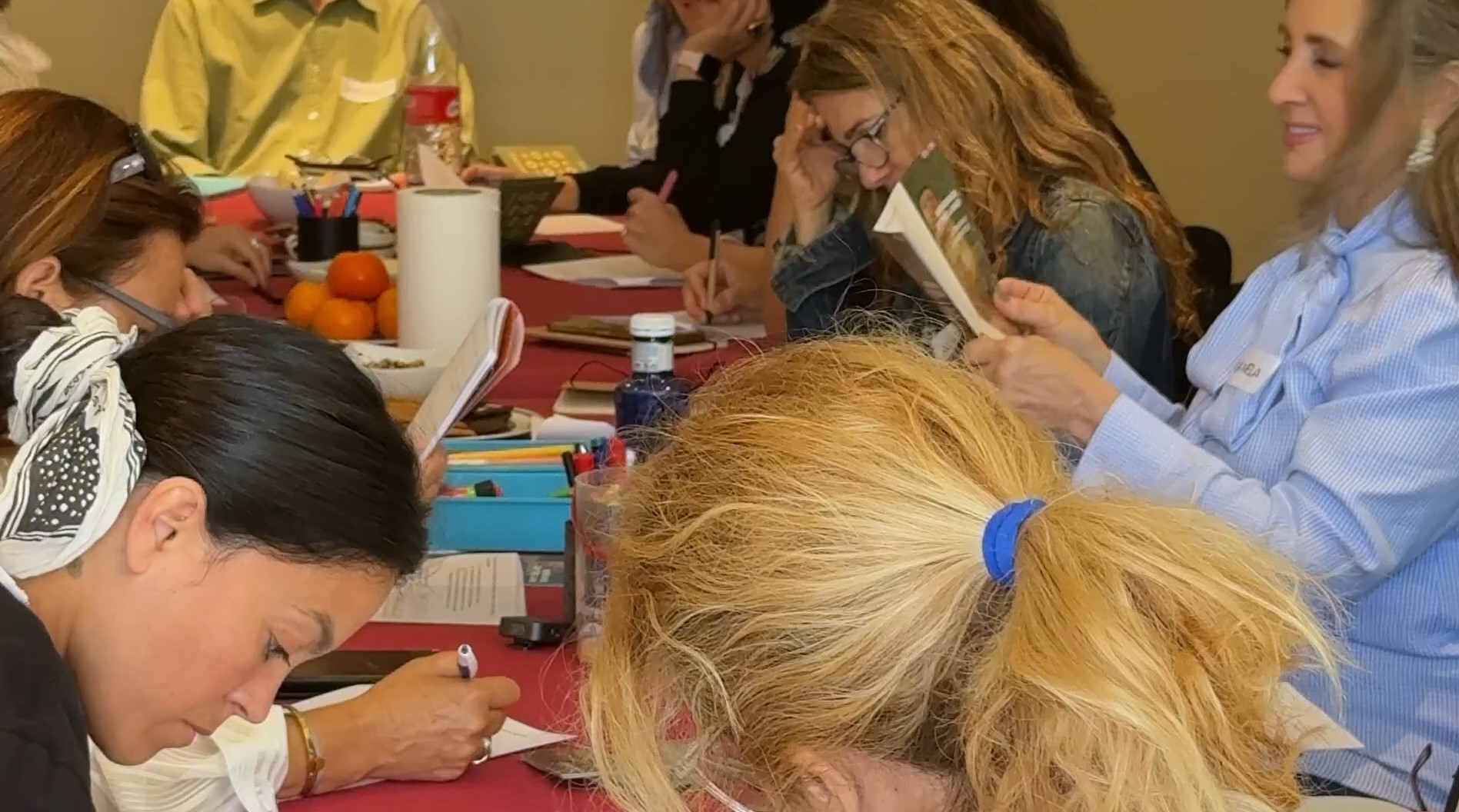
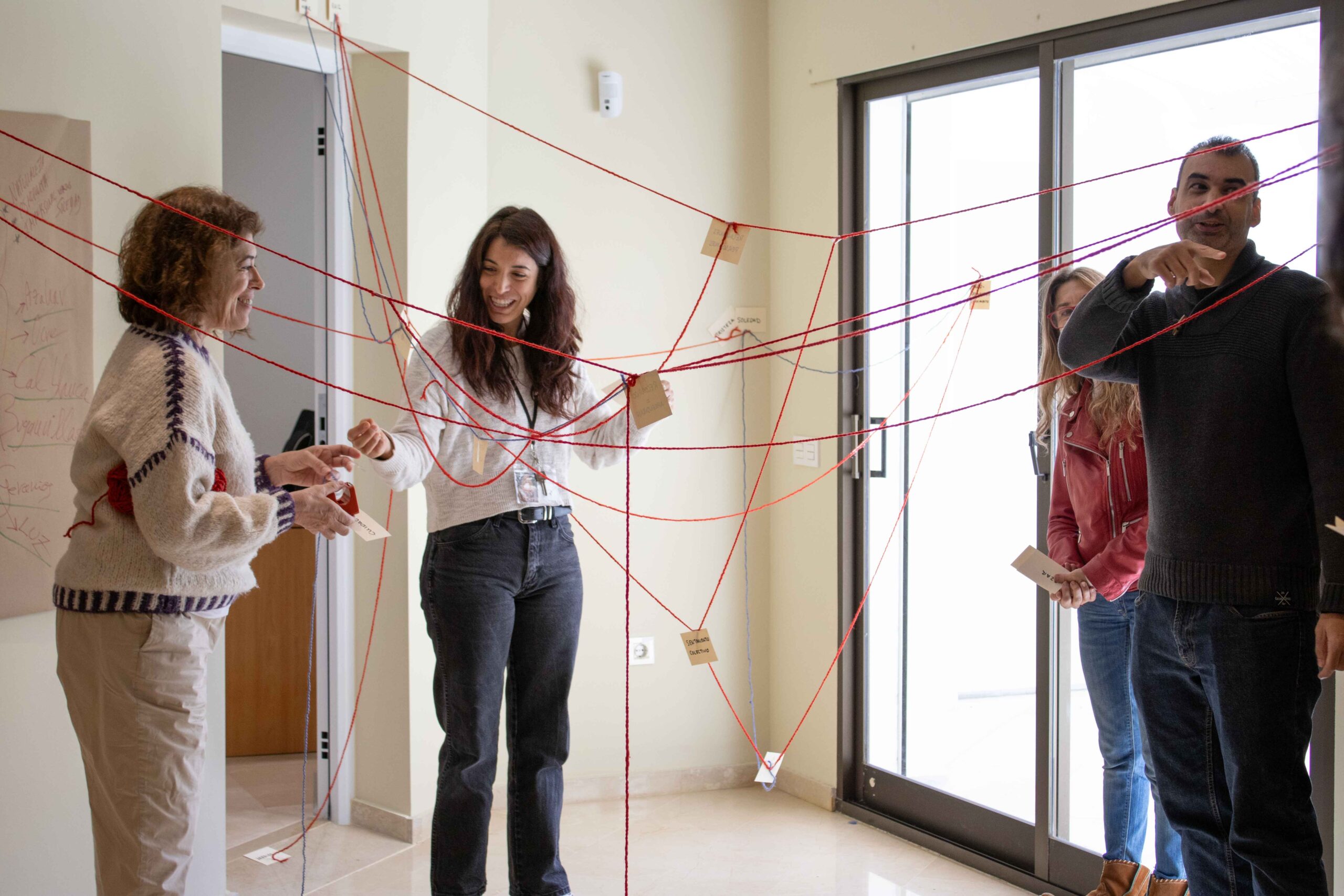
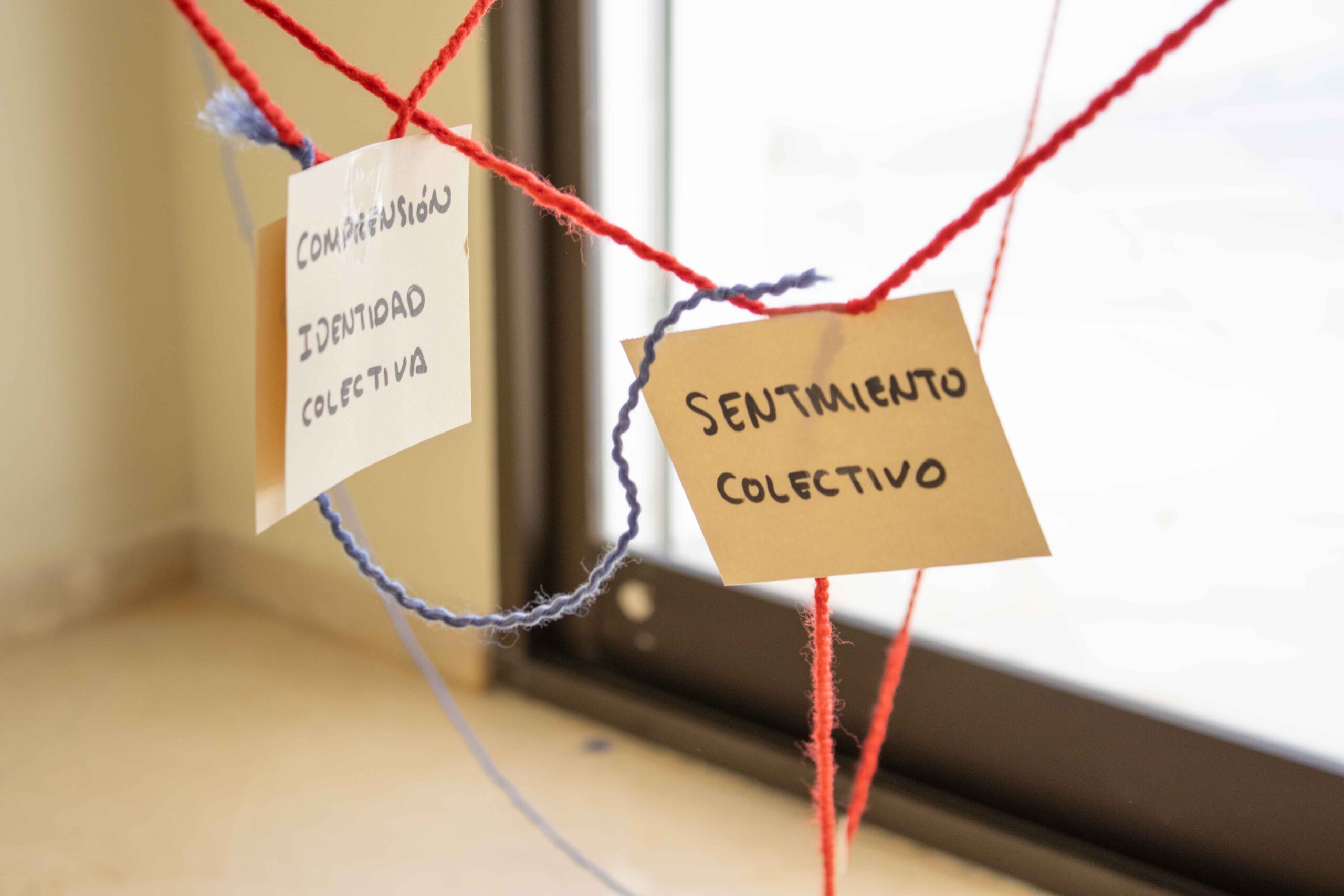
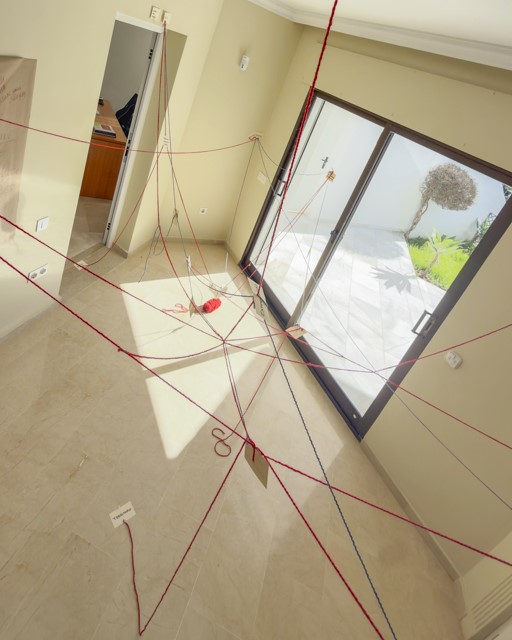
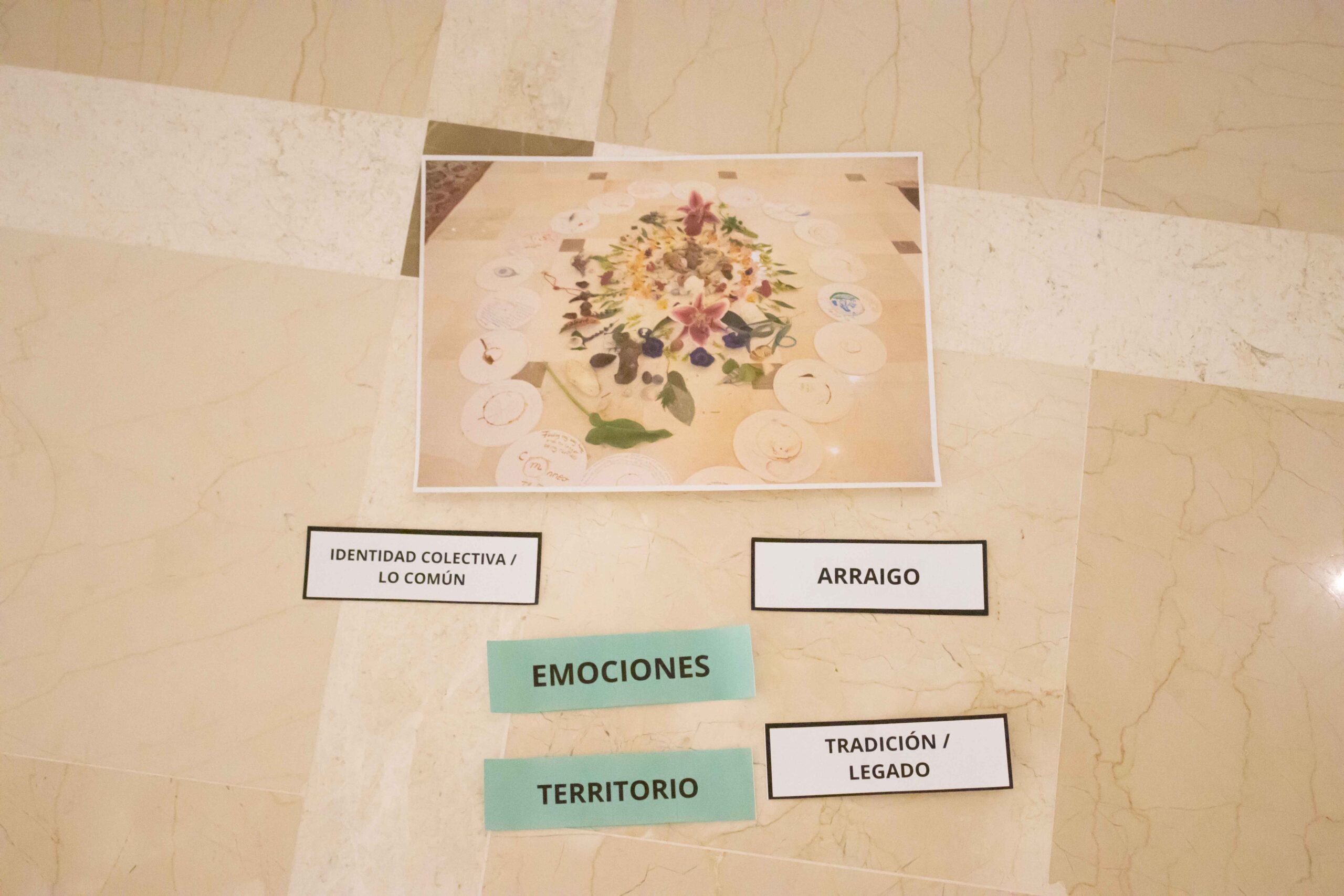
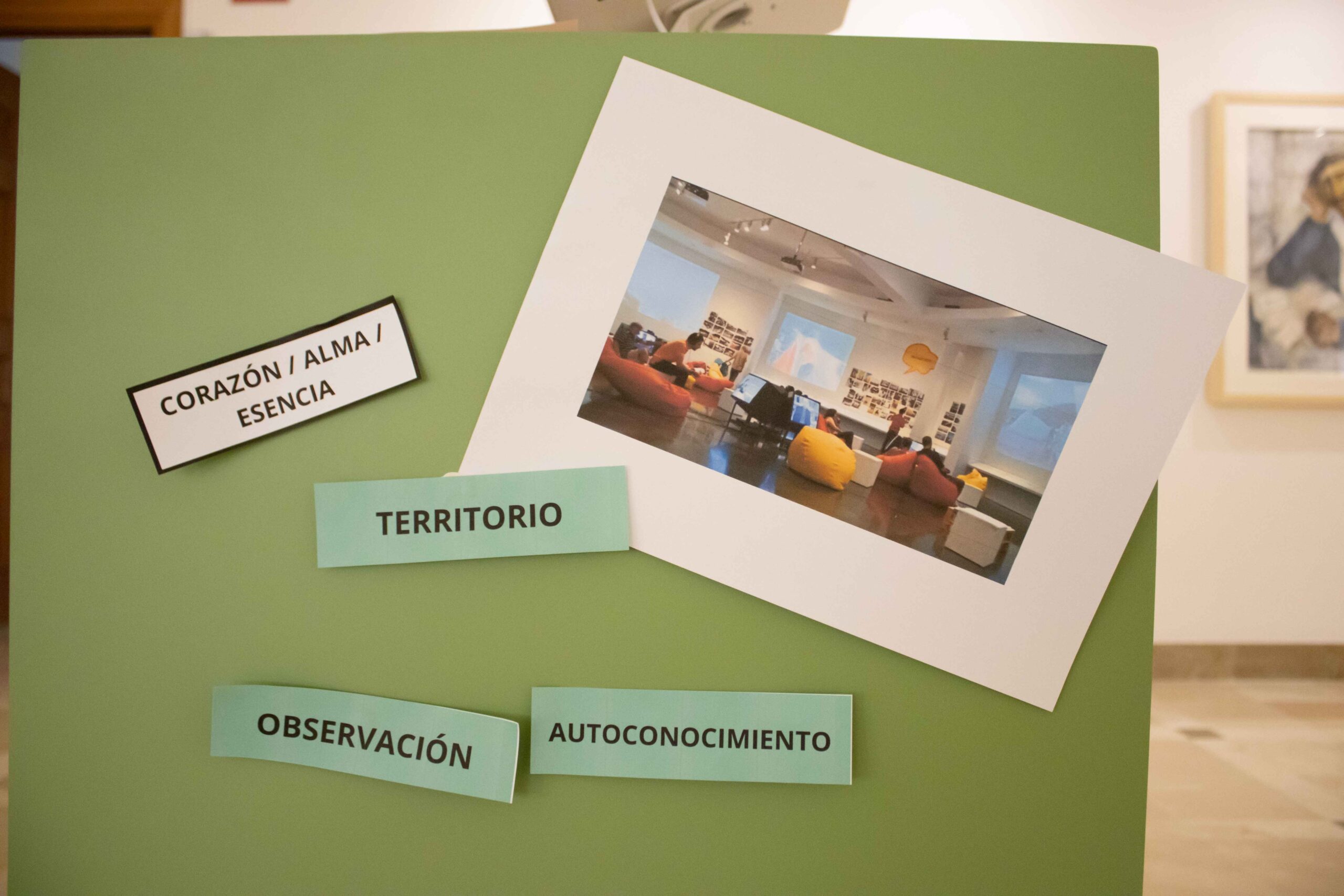
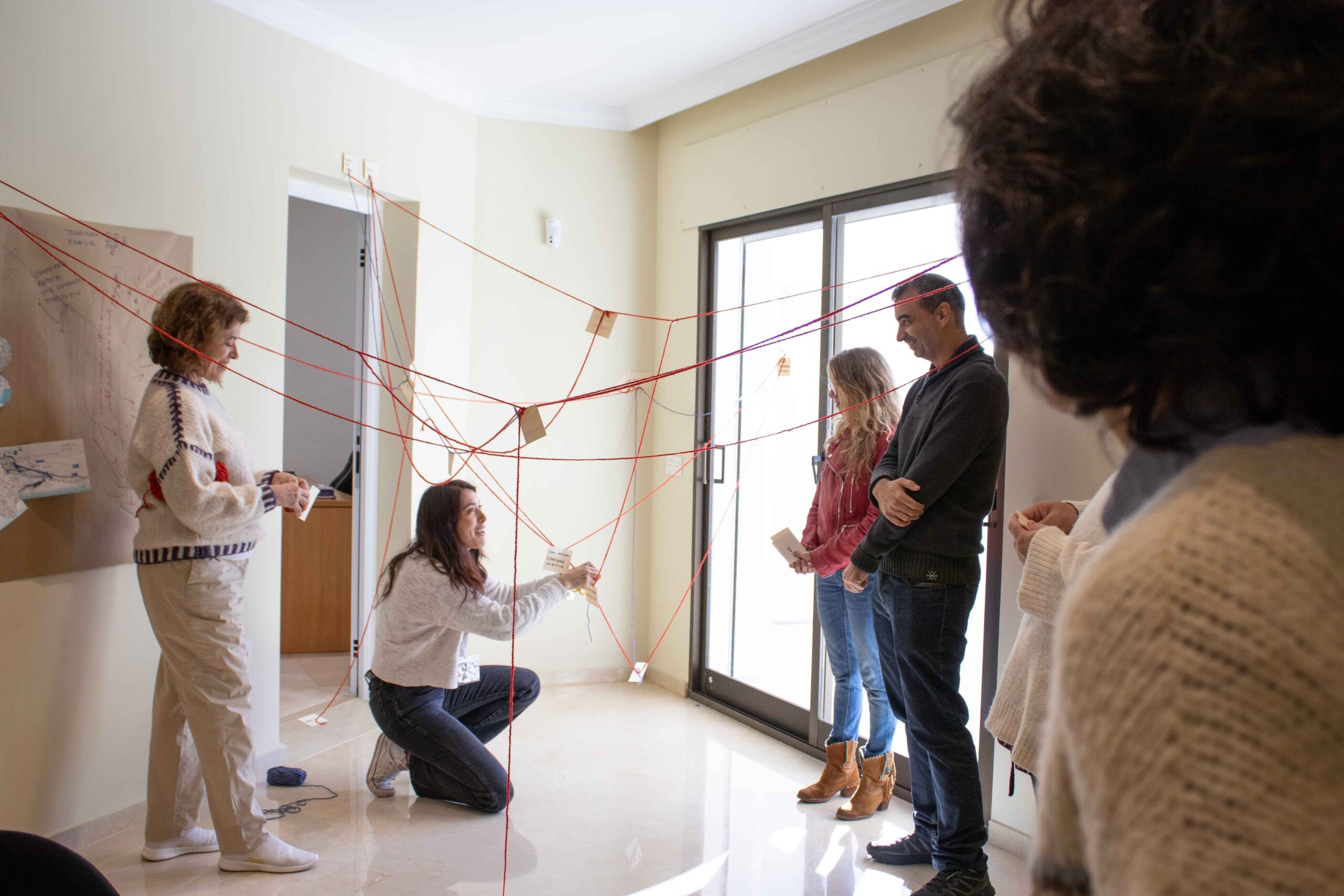
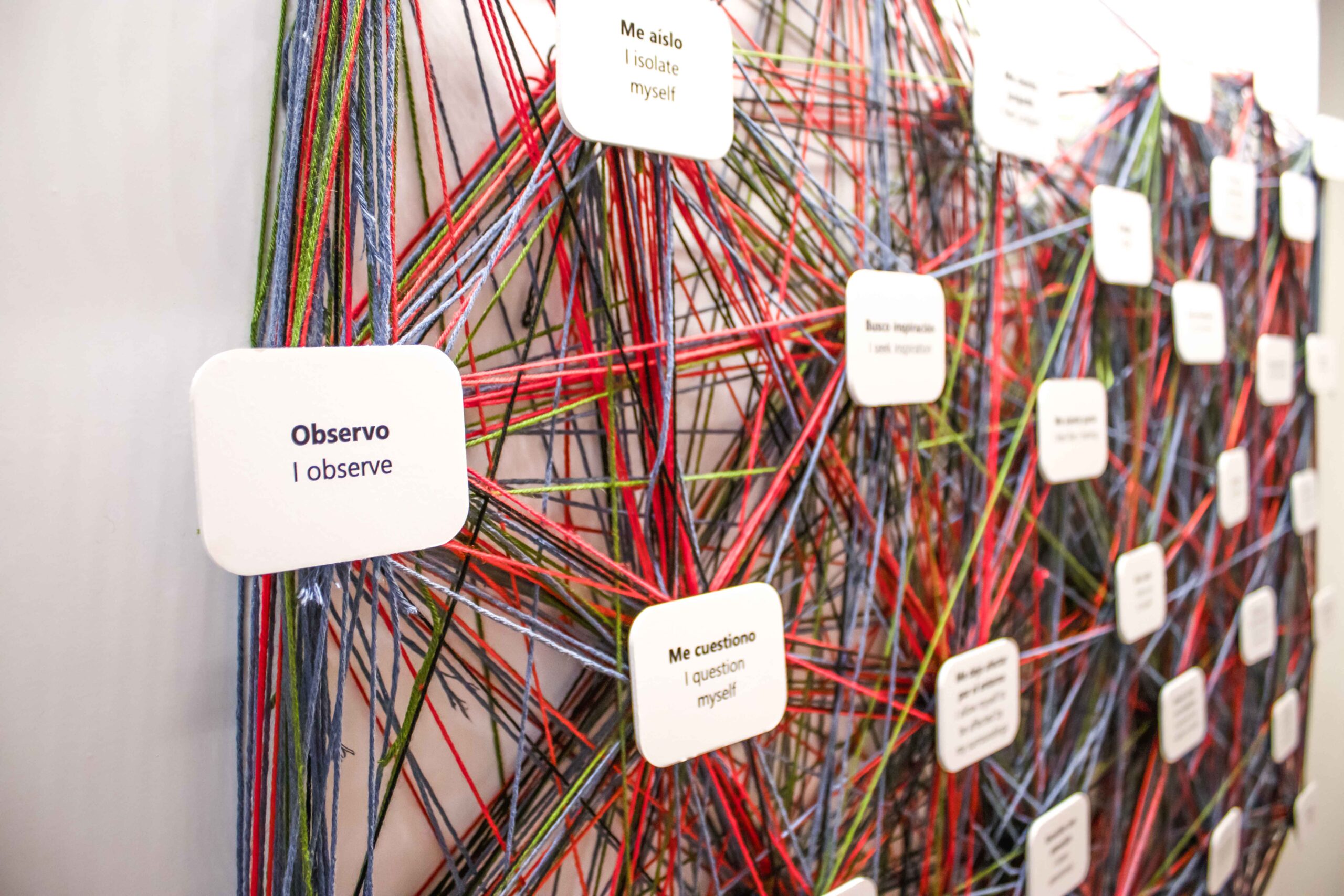
The sessions incorporated analysis dynamics, and collective mapping and visual research alike. Putting into practice the same embodied methodologies used in the educational programme, and drawing inspiration from sources such as the fictional city “Ersilia”, as imagined by Italo Calvino, the group developed a conceptual network centred on the relationships between various concepts. Roots, journeys, territory, memory, emotions, community, nature and home were linked together to shape the universe of the exhibition.

The aim was not to literally transfer the results of each workshop or activity into the gallery, but rather to transform the ideas and experiences gathered into a coherent artistic and sensory experience. In this way, contributions from the public would be included using different formats, narratives, references and spatial resources. To achieve this, we examined the work of artists, installations and various exhibition languages to broaden our frame of reference and the possibilities for representation.

Key issues started to take shape throughout the sessions, eventually forming the basis of the curatorial approach.

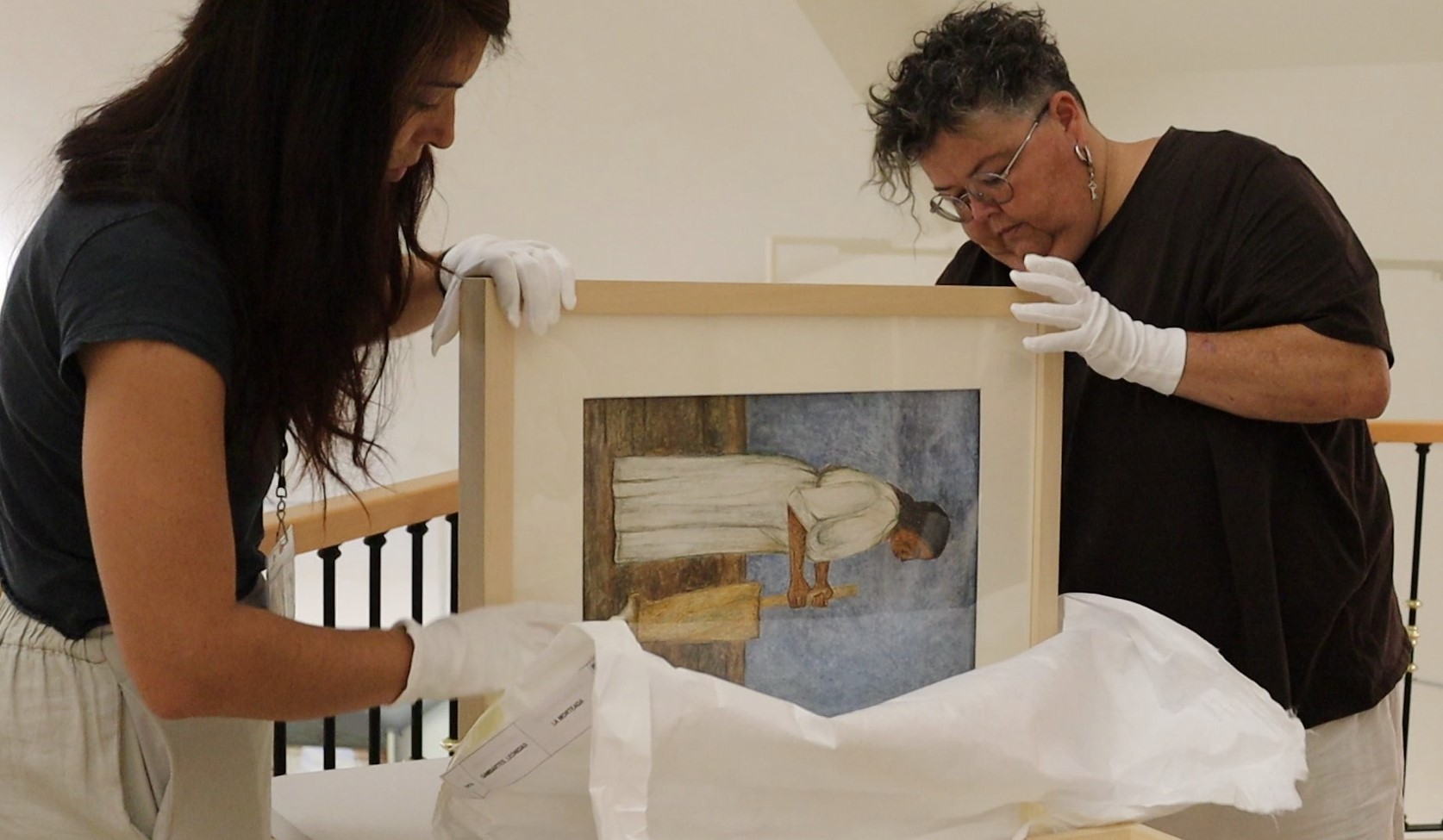
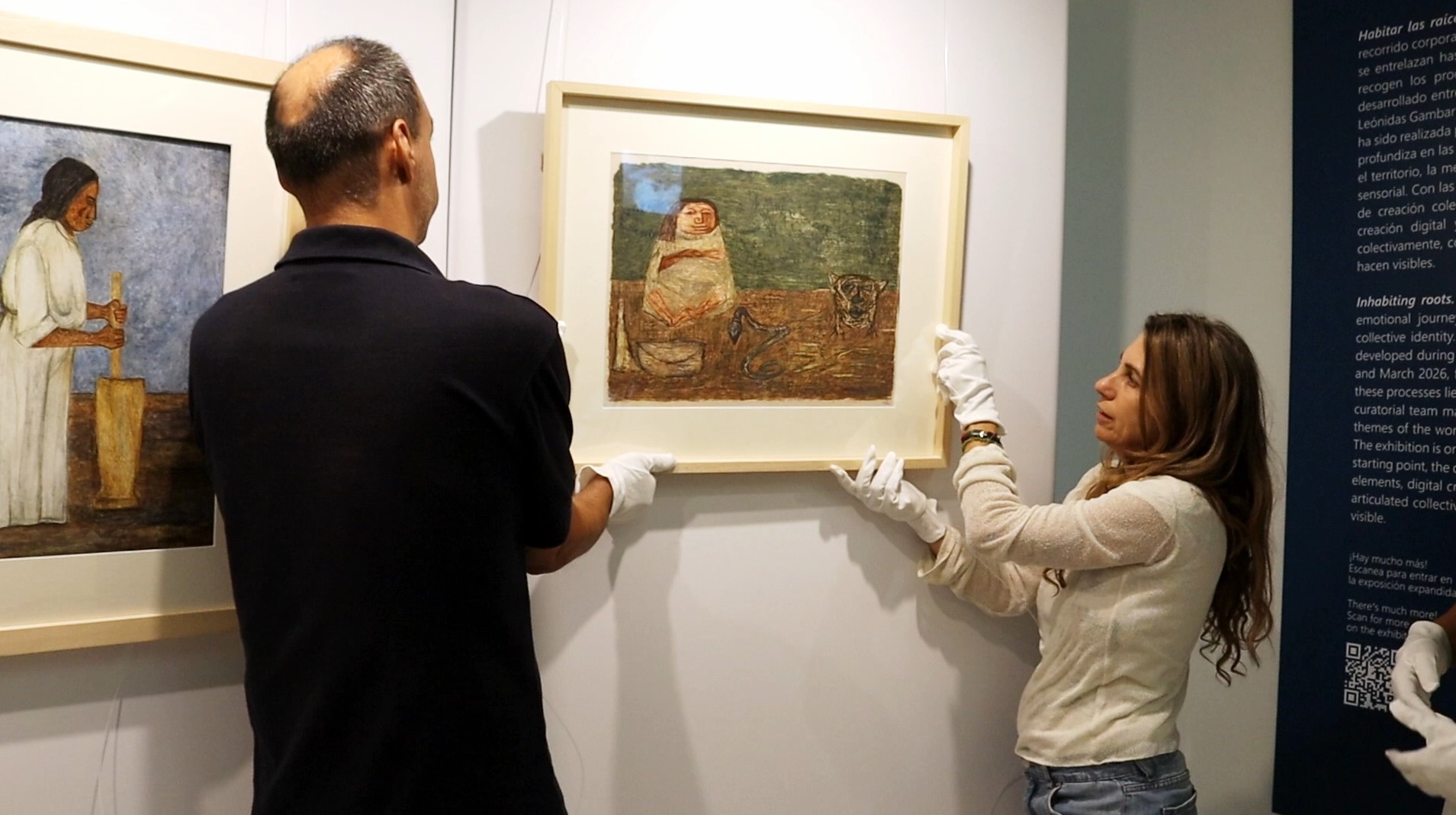
From the outset, it was deemed appropriate for the resulting exhibition to incorporate original works by Gambartes, serving as catalysts and providing context, alongside new projects that engage in a dialogue with them.

Furthermore, these ideas, intended to convey the experiences of the public, could not be literal; there was too much content, losing the essence of what was conveyed. They needed to be faithful to the originals and convey a message, but they did not have to be literal or representative.

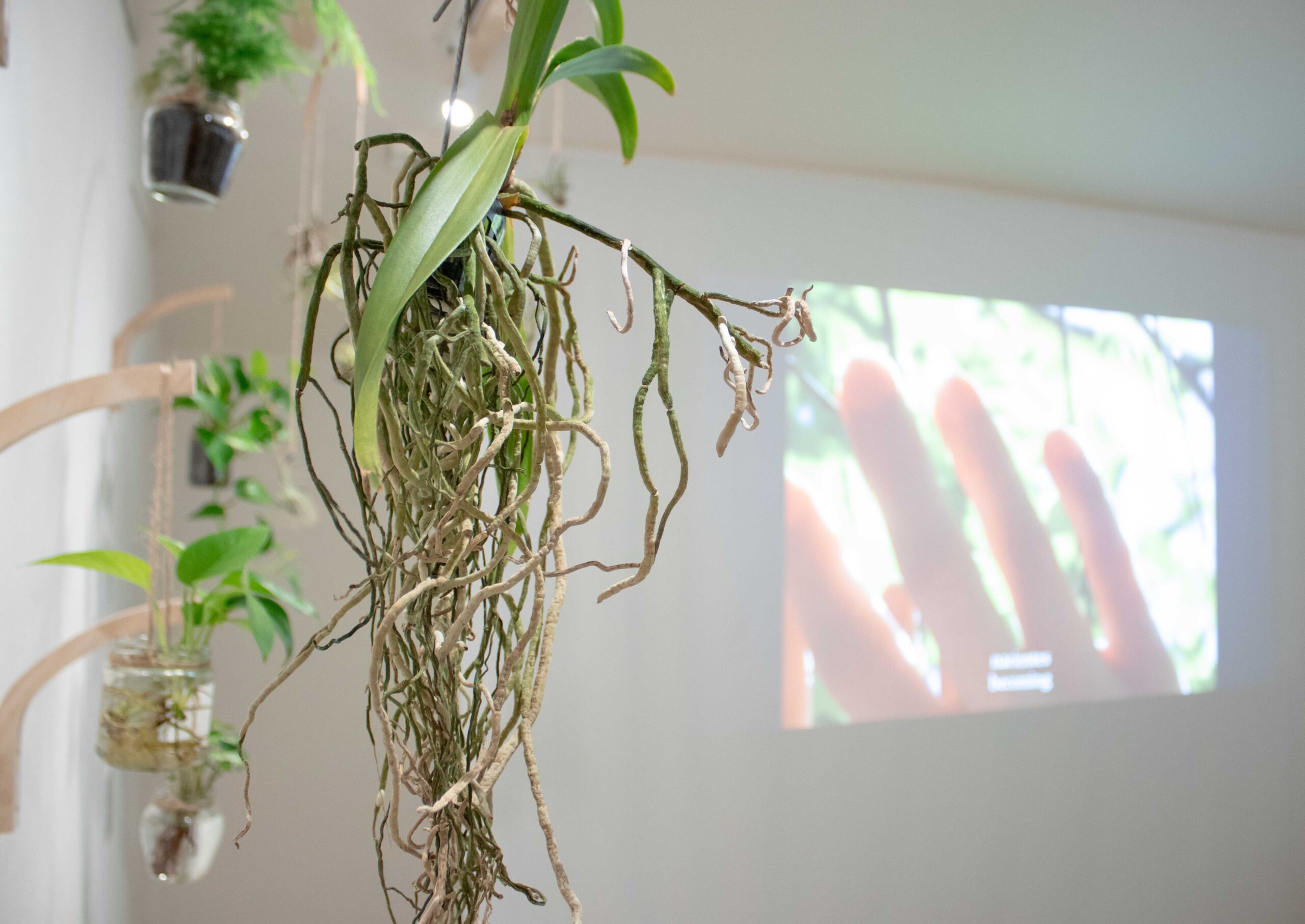
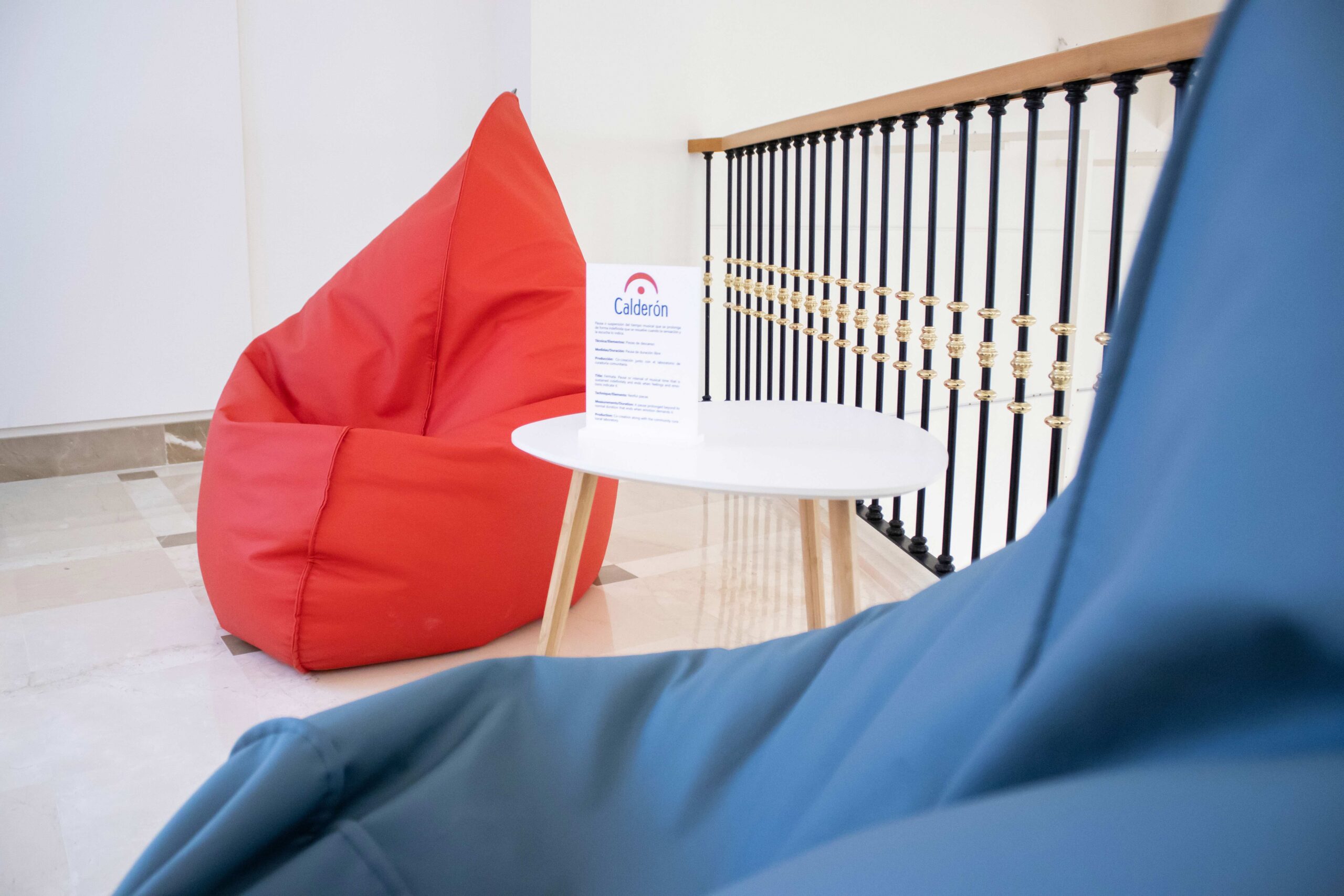
Elements such as sound, audiovisual media, lighting, colour and the museum’s spaces were therefore used, all chosen for their capacity to evoke reactions and accompany visitors, inviting them to enjoy a more attentive, emotional experience.

An experience to be felt rather than explained

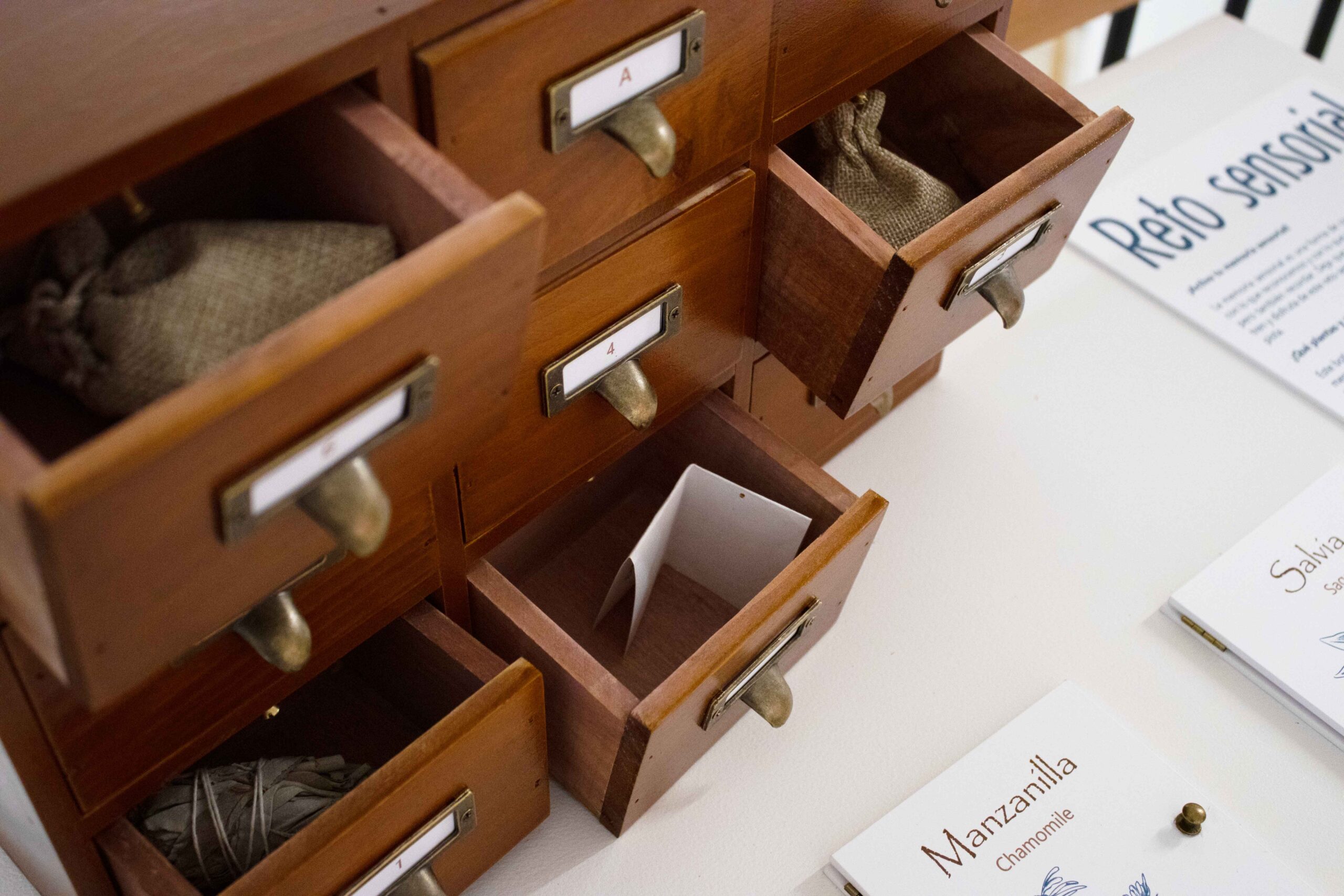
As certain ideas gained clarity, others had to be discarded. One of the most significant decisions made was to prioritise visitors’ sensory experience. As a result, it was decided to reduce the amount of information provided in the gallery and to forgo the use of QR codes (which were initially intended to provide context by linking the exhibition to the resulting educational programme), as well as any other elements that would require the use of a mobile phone during the visit. The intention was to create space for listening, observation and emotion; in other words, allowing the installations and the relationships between them to speak for themselves.
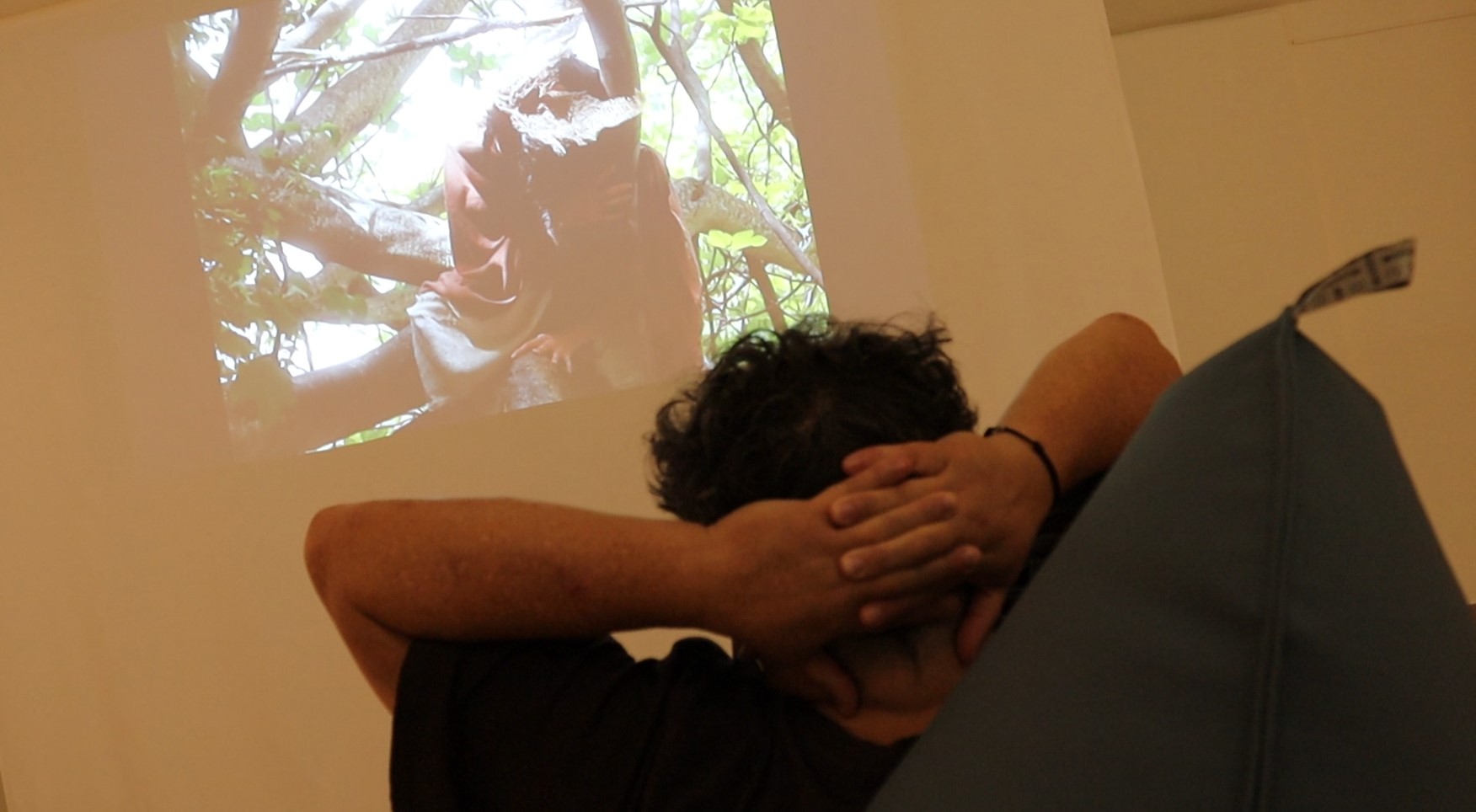
Nevertheless, despite this approach within the gallery space, the digital project is still a key strength of (un)realities. The website therefore functions as a kind of expanded exhibition that displays the network that connects and shapes both phases of the project. Here, anyone who wishes to can delve deeper into the content, explore the participatory processes, and engage more directly with the testimonies and creative works that gave rise to the exhibition.

Affecting and being affected

The El_Laboratorio process was not without its challenges. Forming and maintaining a relatively stable group, balancing institutional timelines with the rhythms of listening and participation, and negotiating between what was desired and what was possible were all fundamental aspects of the learning experience. This, in fact, was one of its greatest values: our participants went beyond the role of just audience members, gradually taking on the responsibility of thinking like those who put an exhibition together.
For its part, the museum had to stay true to the space of listening and horizontality it had initially proposed, serving as a tool to bring the group’s ideas to life, rather than trying to realise its own ideas.

Inhabiting roots

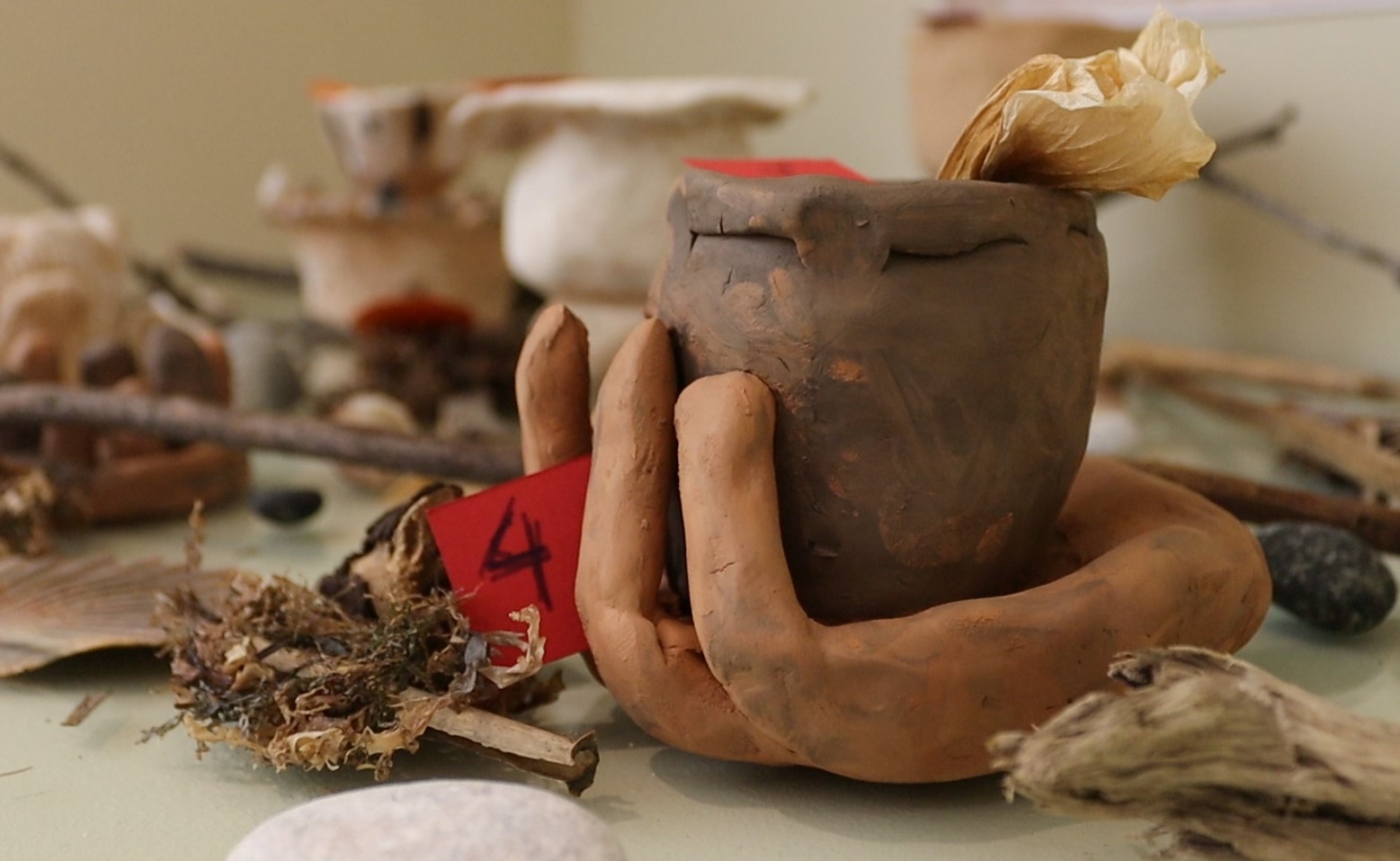
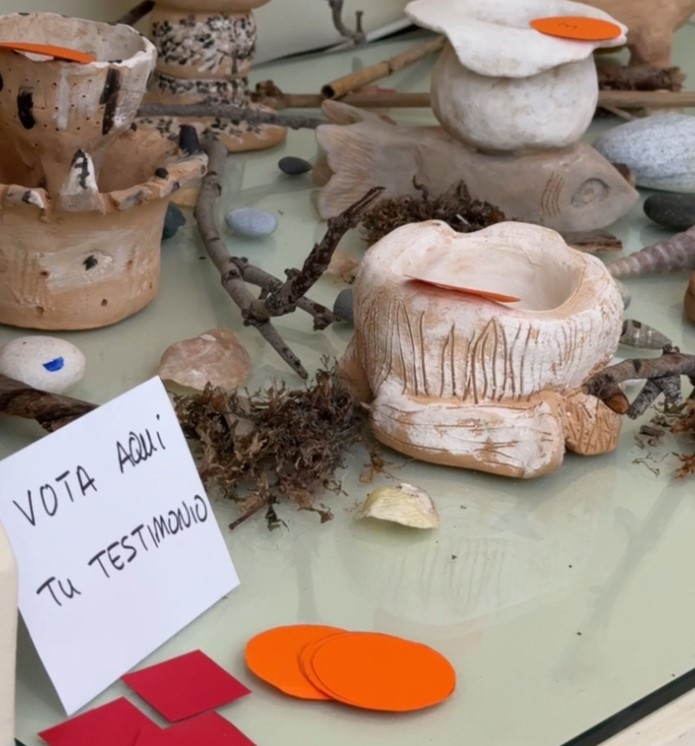
Inhabiting roots. Sensory practices in territory is the result of this shared journey. It is not an exhibition of educational outcomes understood as final products, but rather the carefully crafted realisation of a process rooted in listening, conceptualisation and collective creation. It collates the traces of a whole year’s worth of conversations, workshops, questions, emotions and decisions, transforming them into an exhibition experience open to new audiences.

The exhibition speaks of the people who took part in the project, their testimonies and their creations, but it is also curated based on their own perspective and designed so that other people can recognise themselves within it. In this sense, El_Laboratorio demonstrates how educational curatorship can expand museum narratives, incorporate diverse forms of knowledge and sensibilities, and place the human, the communal and the shared at its very heart.